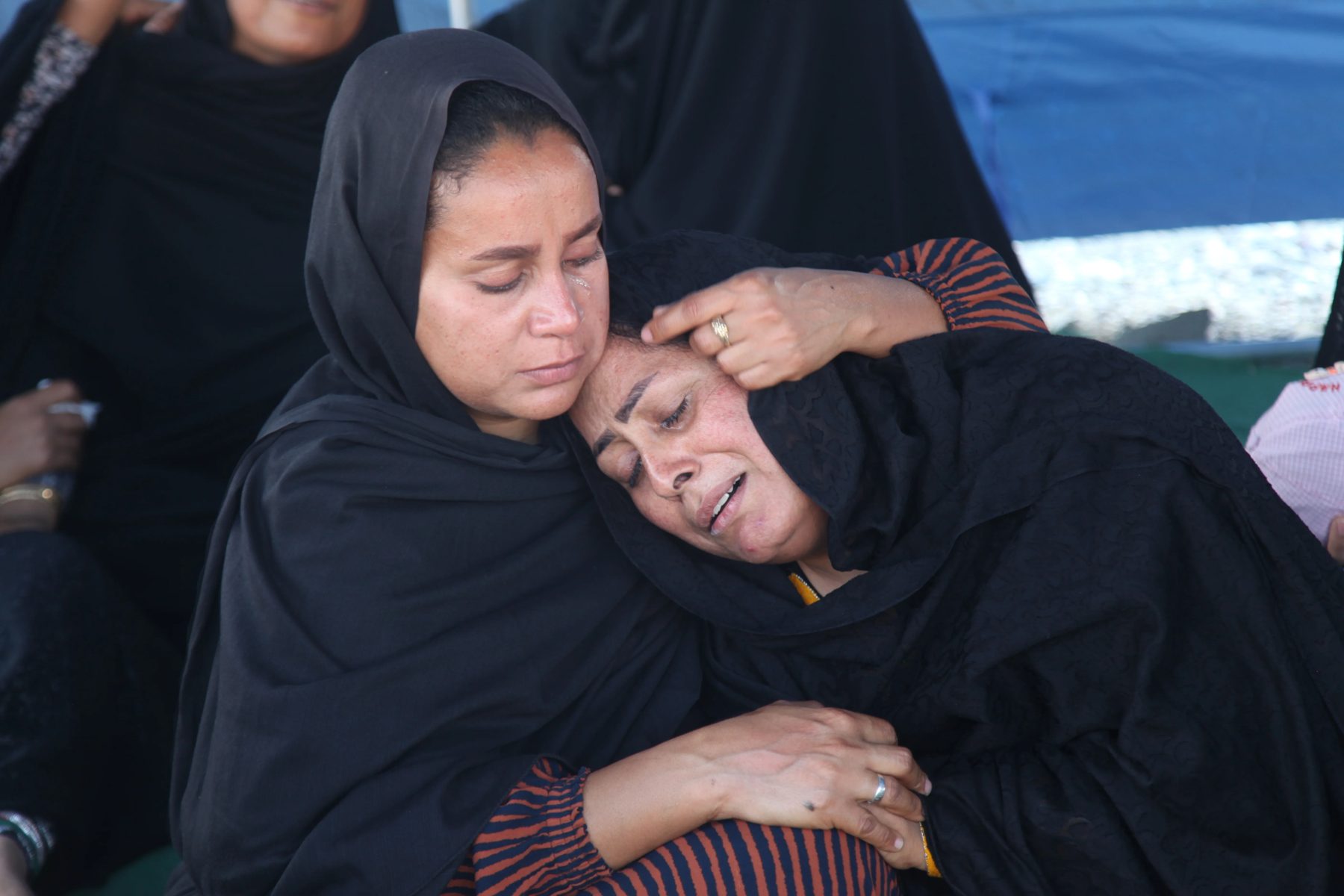
She was seven years old.
That morning, she packed her bag and went to school.
The first bell rang. It was the Quran lesson.
She opened her book.
10:45
At 11:22, the building was gone.
She was one of at least a hundred and sixty-eight.
شجره طیبه
"The Shajareh Tayyebeh School" · Minab, Iran
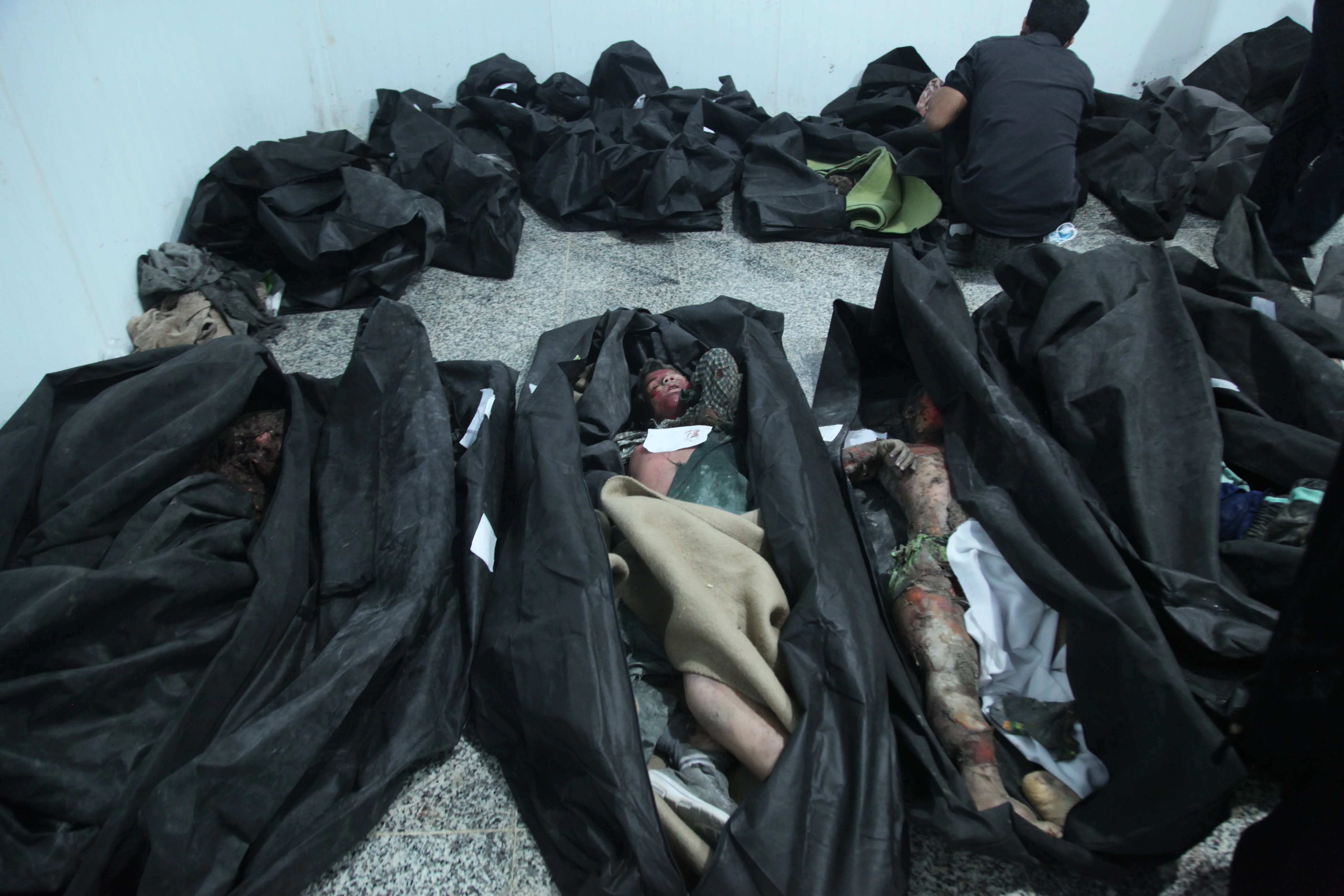
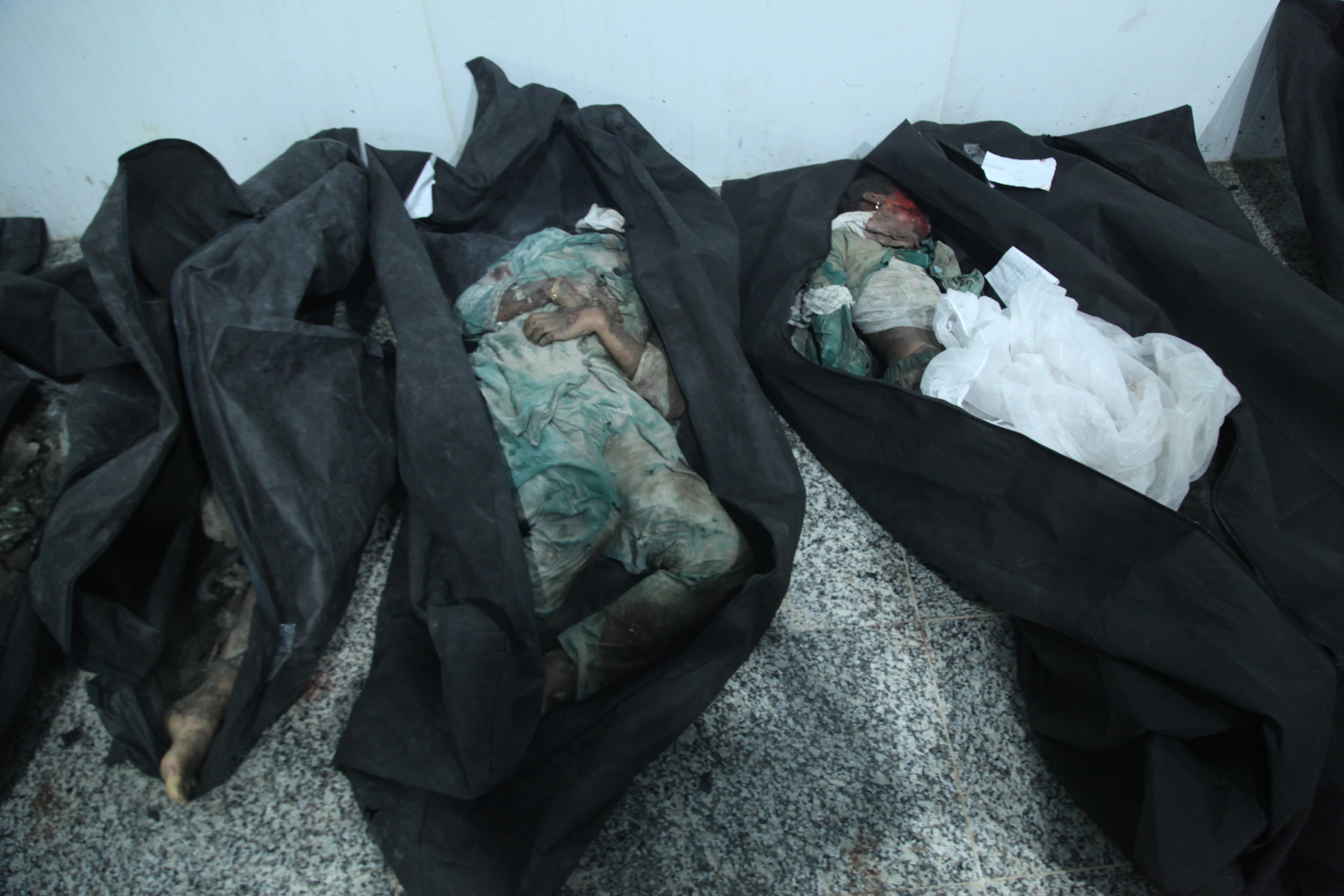
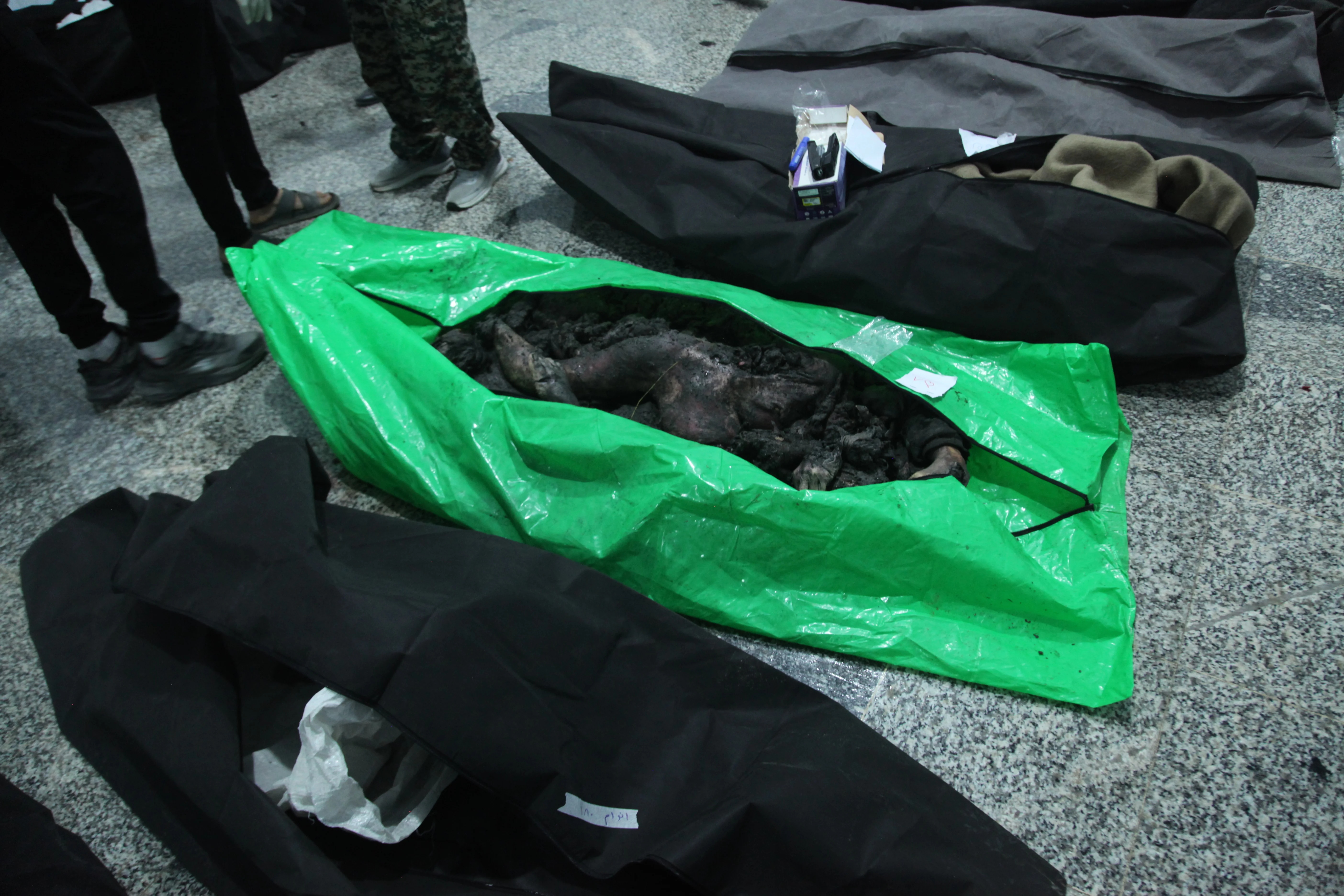
On 28 February 2026, a missile struck a girls' elementary school in southern Iran during a Quran lesson. At least 168 people were killed — most of them children between 7 and 12 years old.
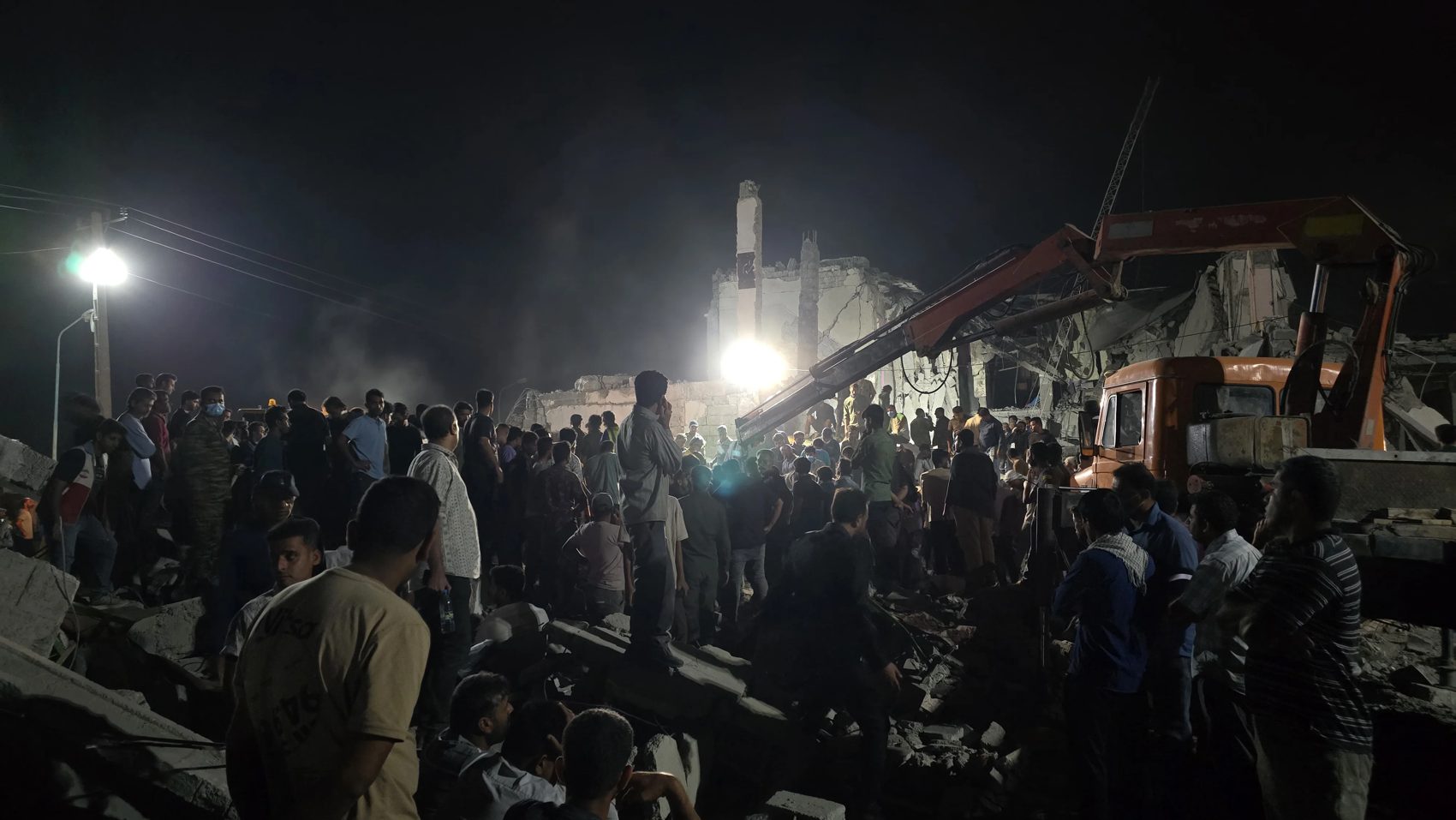
It was a Saturday morning. The first bell had rung for the Quran lesson. By 11:22, the building where the children sat was gone.
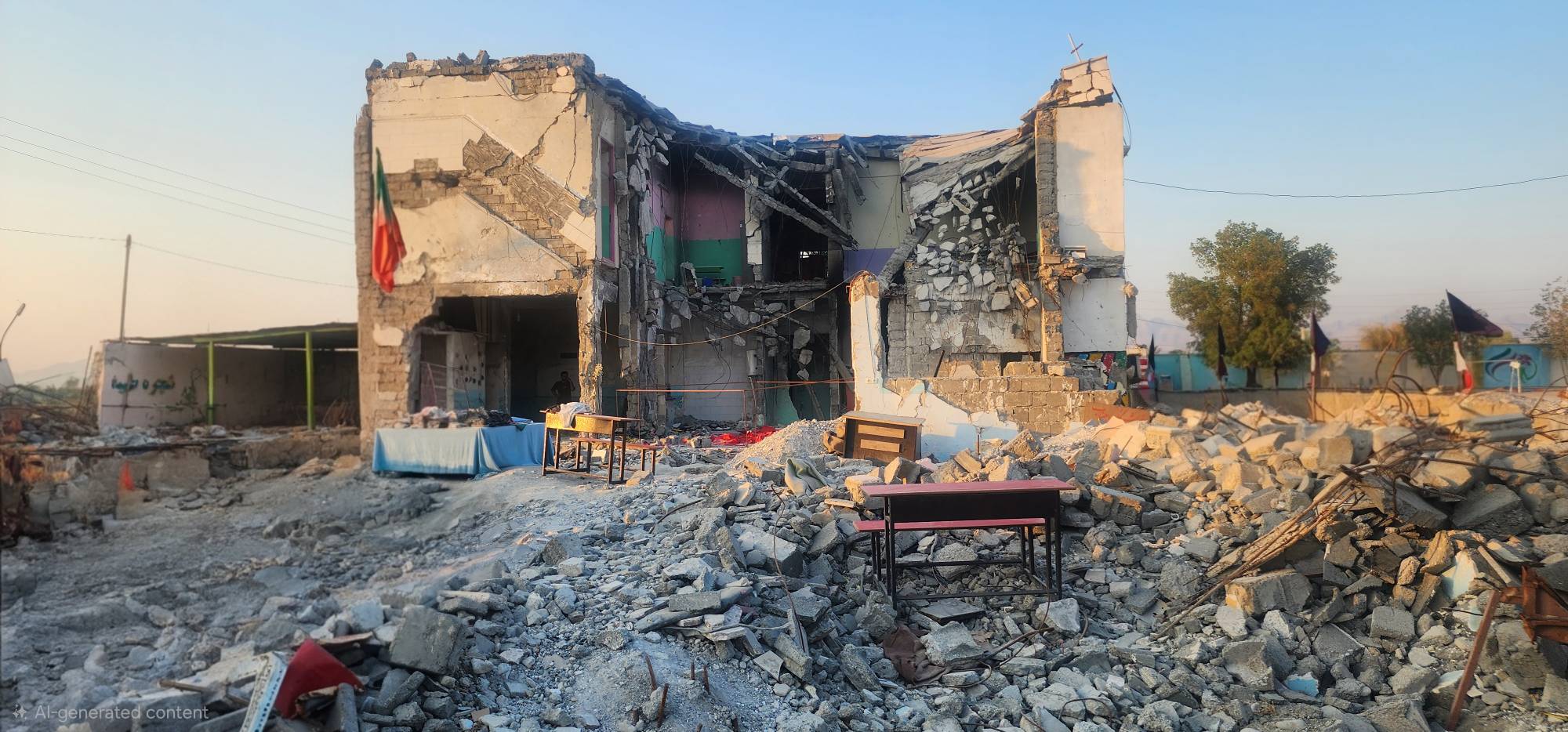
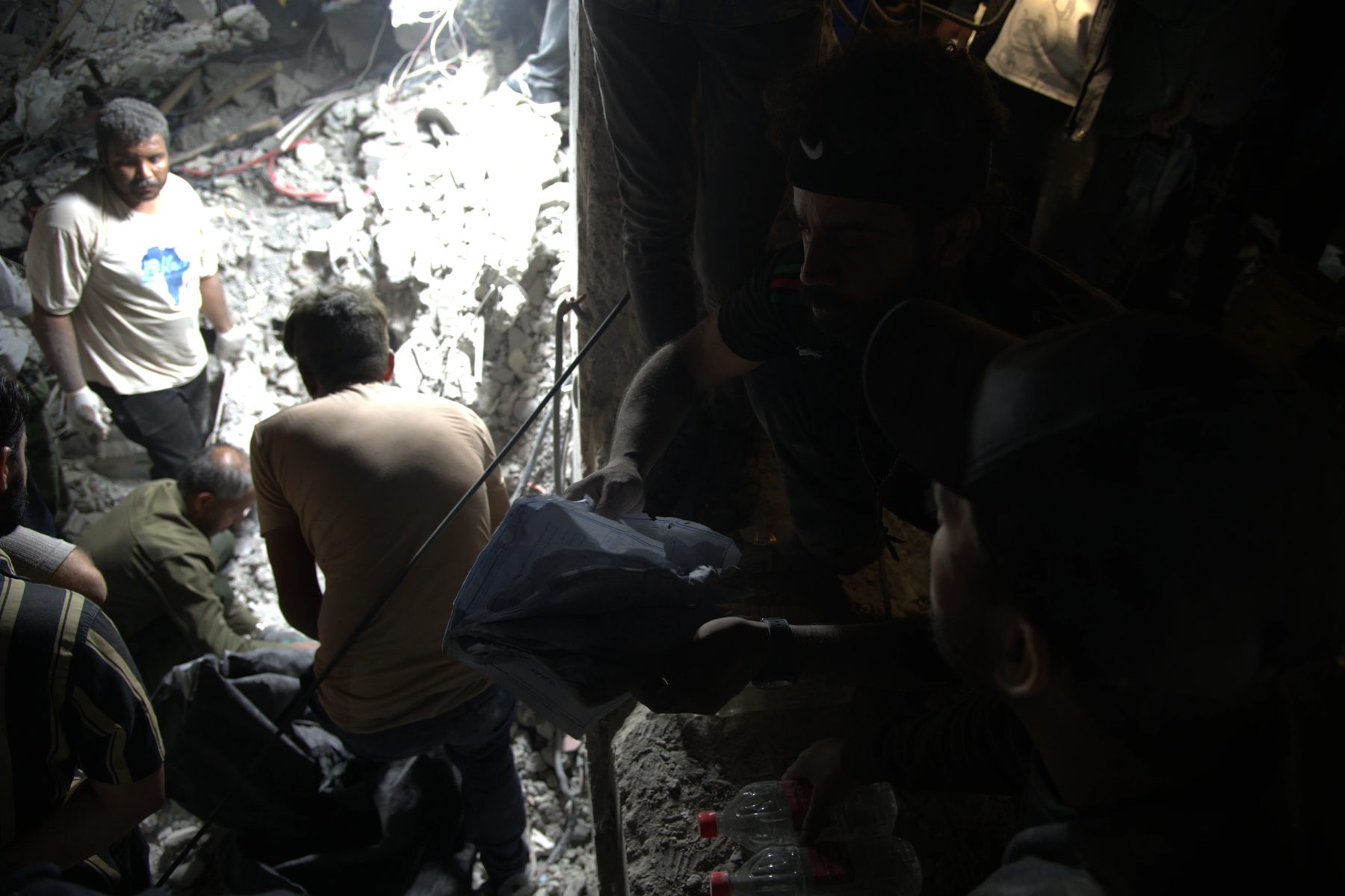
A two-storey school, where 403 children studied. By midday, most of it was rubble.
The exact toll is reported between 165 and 180. We hold the number gently, because behind it are names — children and teachers who did not come home.
Their absence has no end.
In memory of the children and staff of Shajareh Tayyebeh.
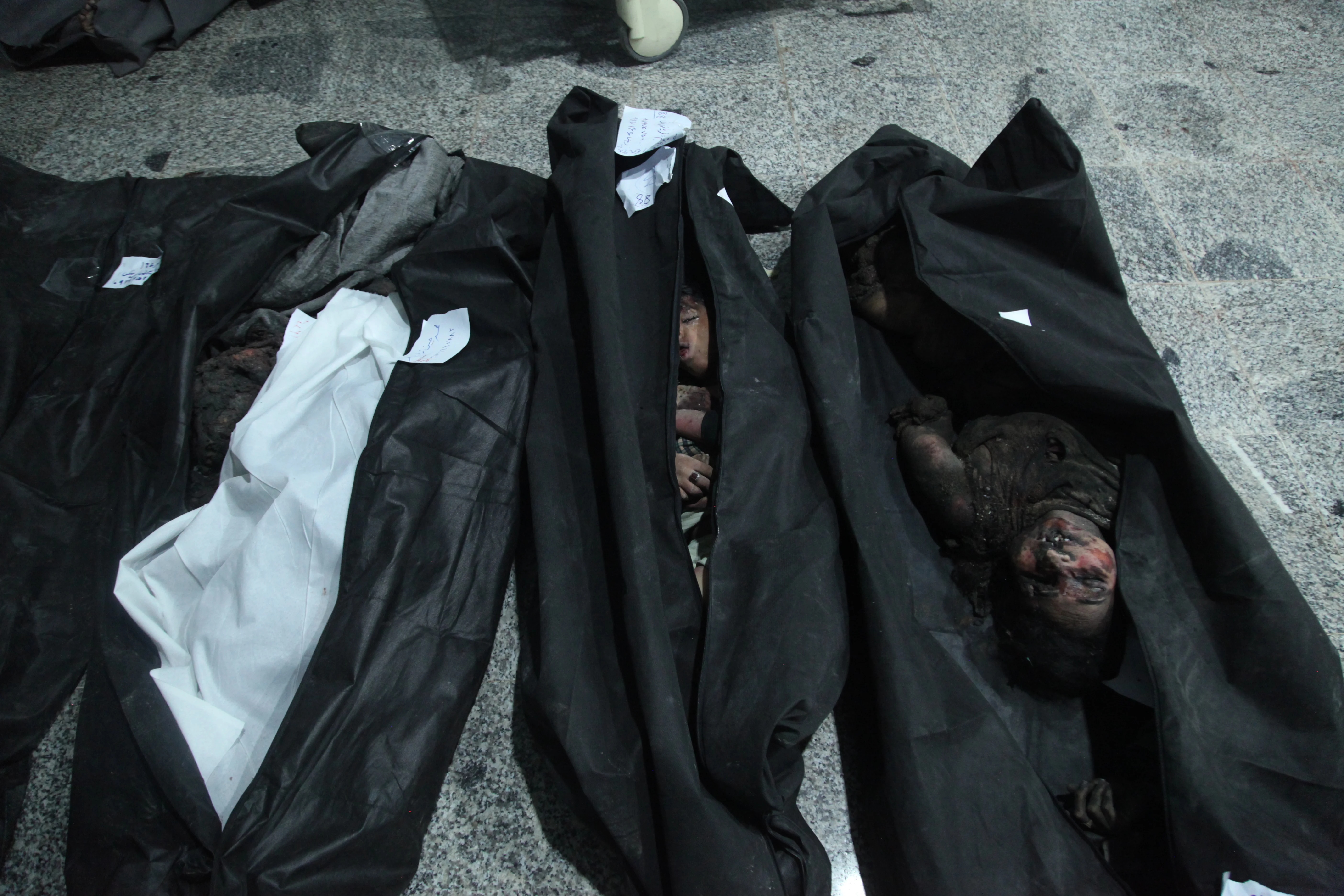
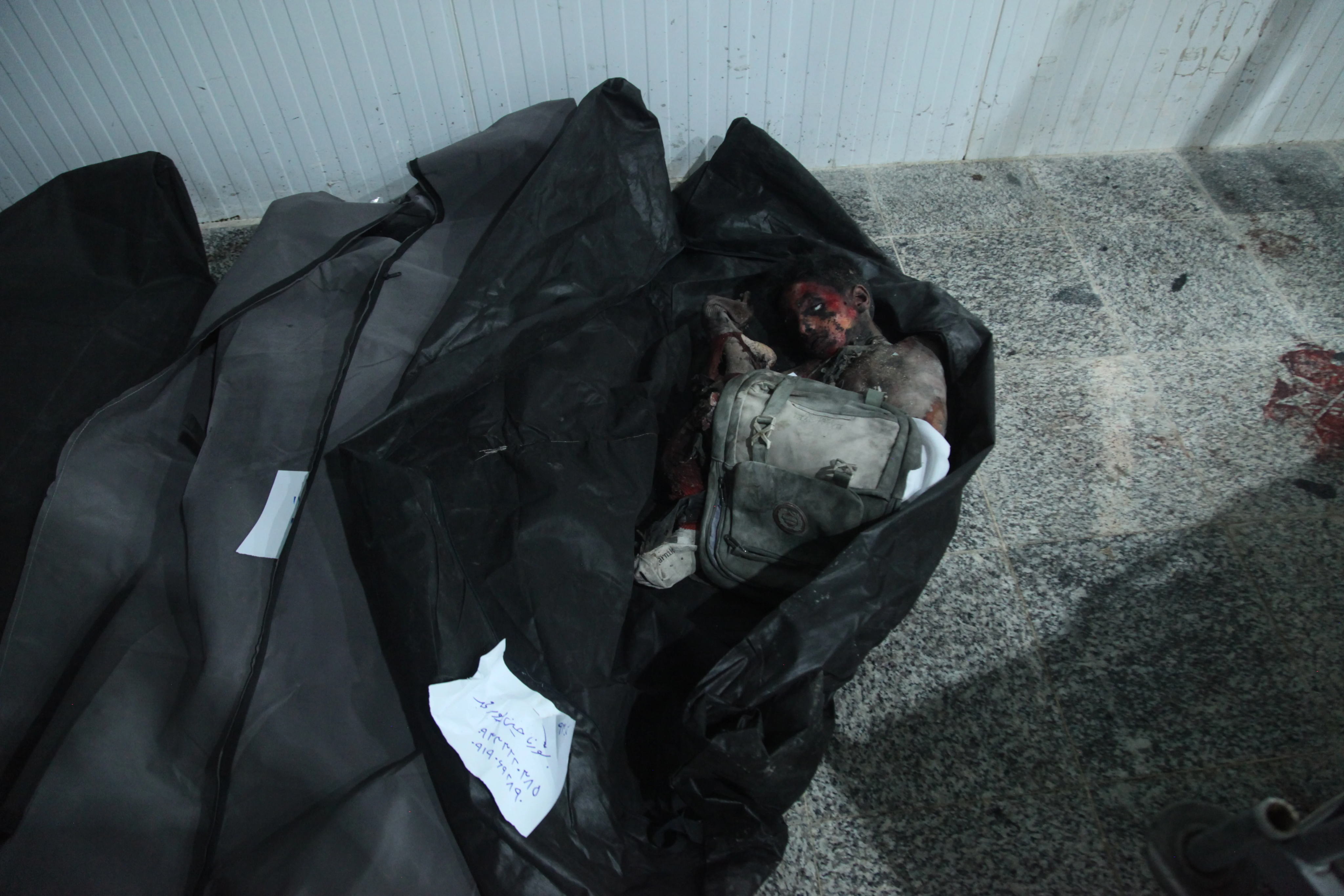
Each one came to school that morning with happy faces, but this is what the American missiles did.
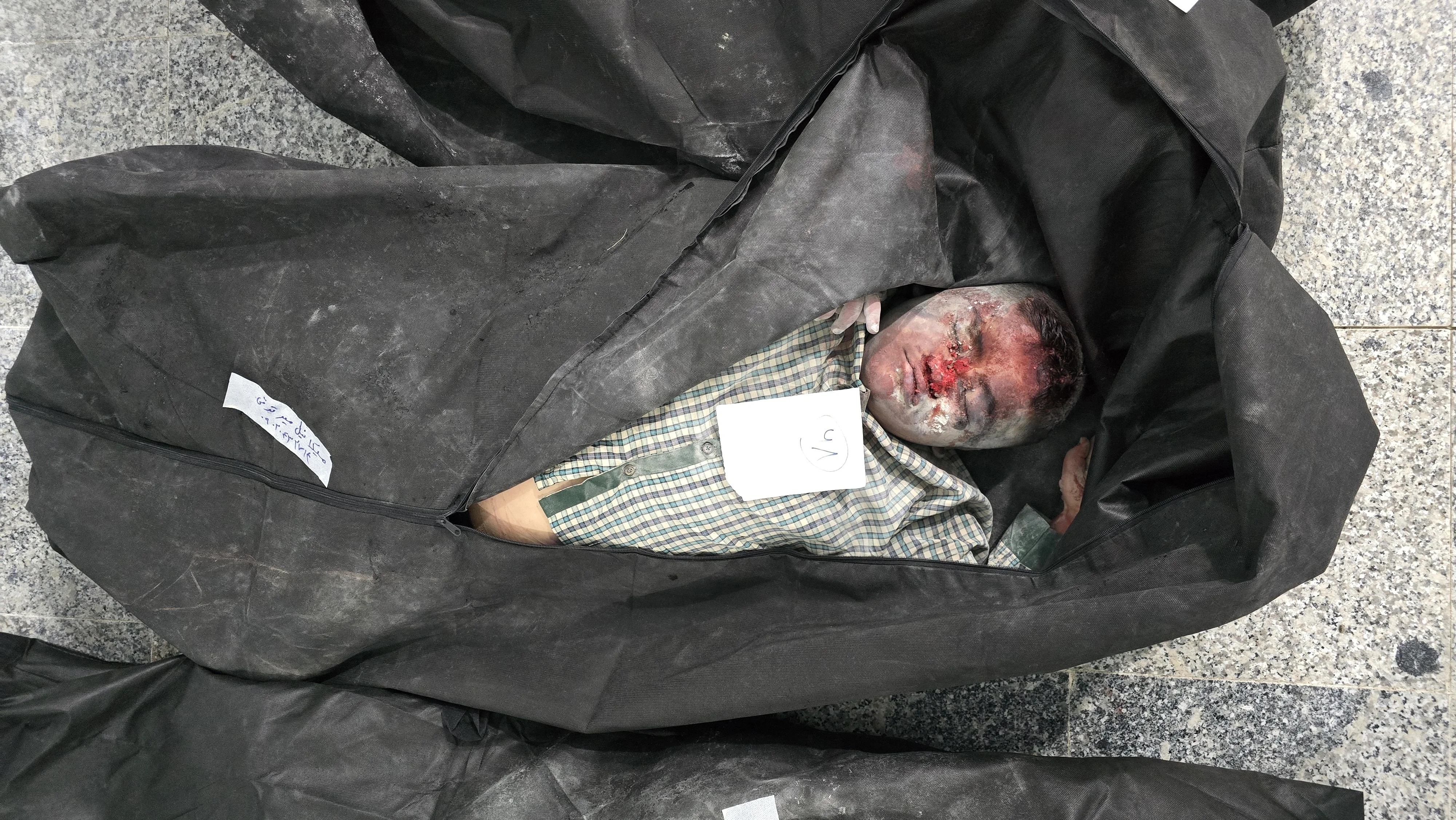
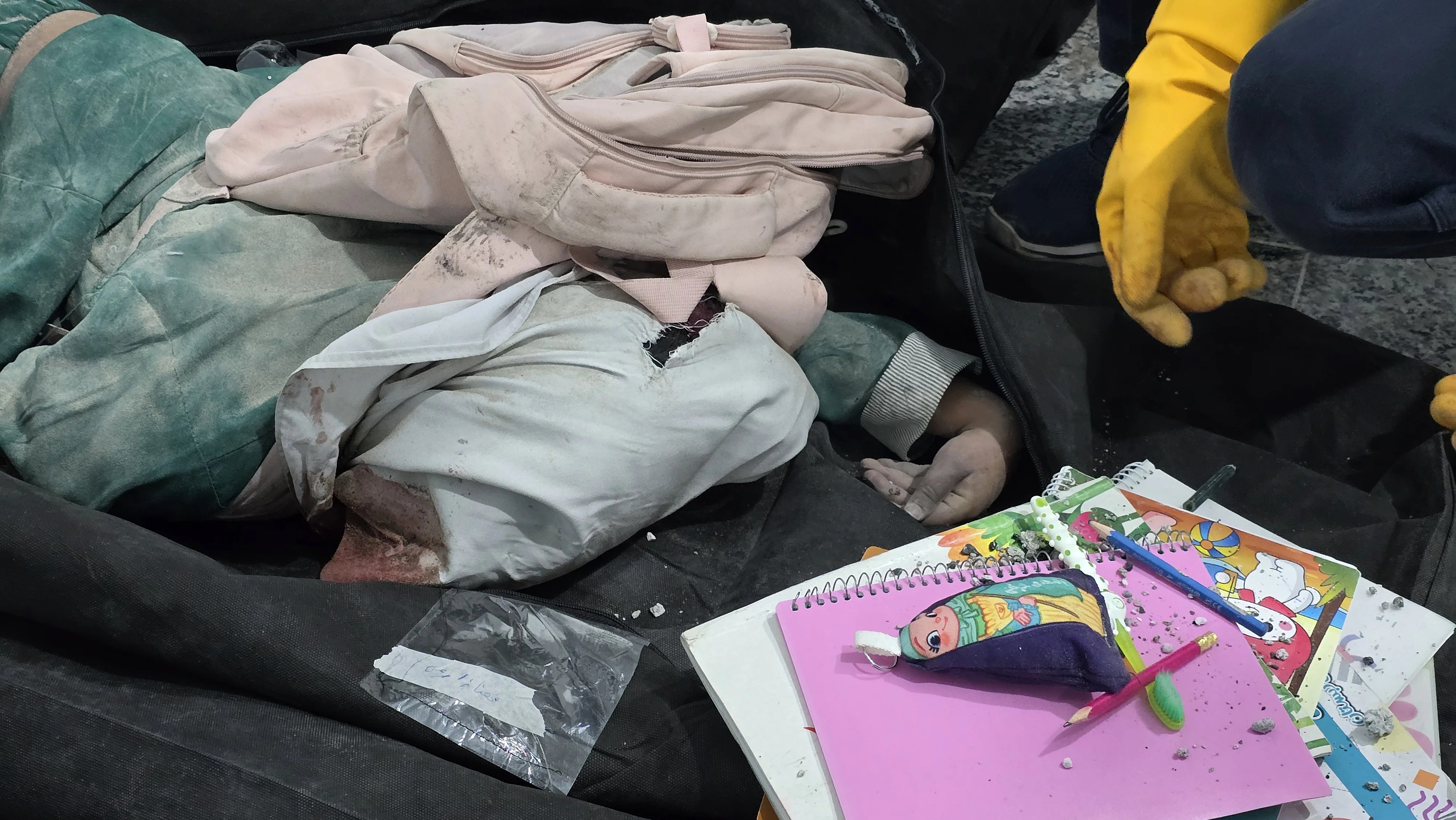
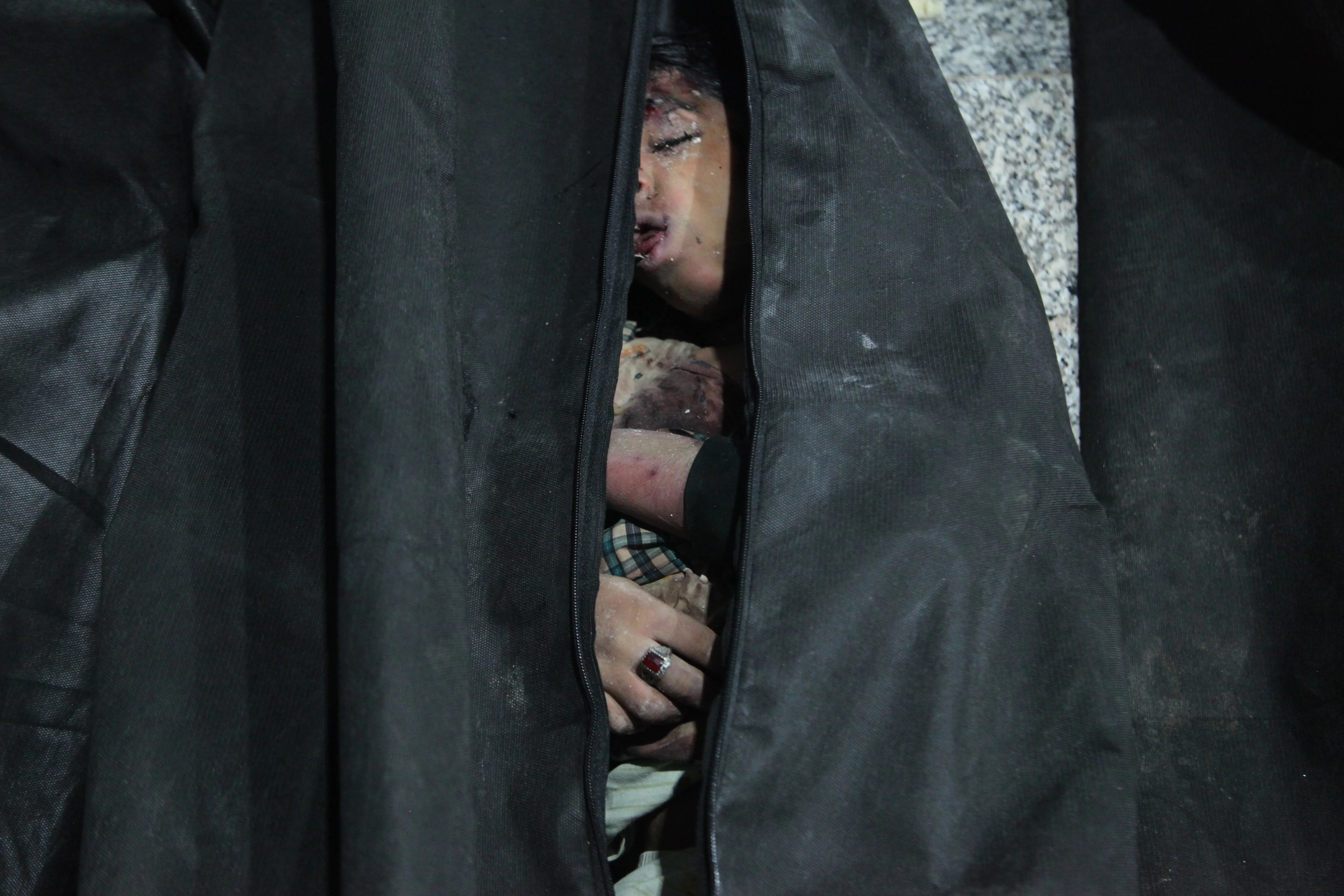
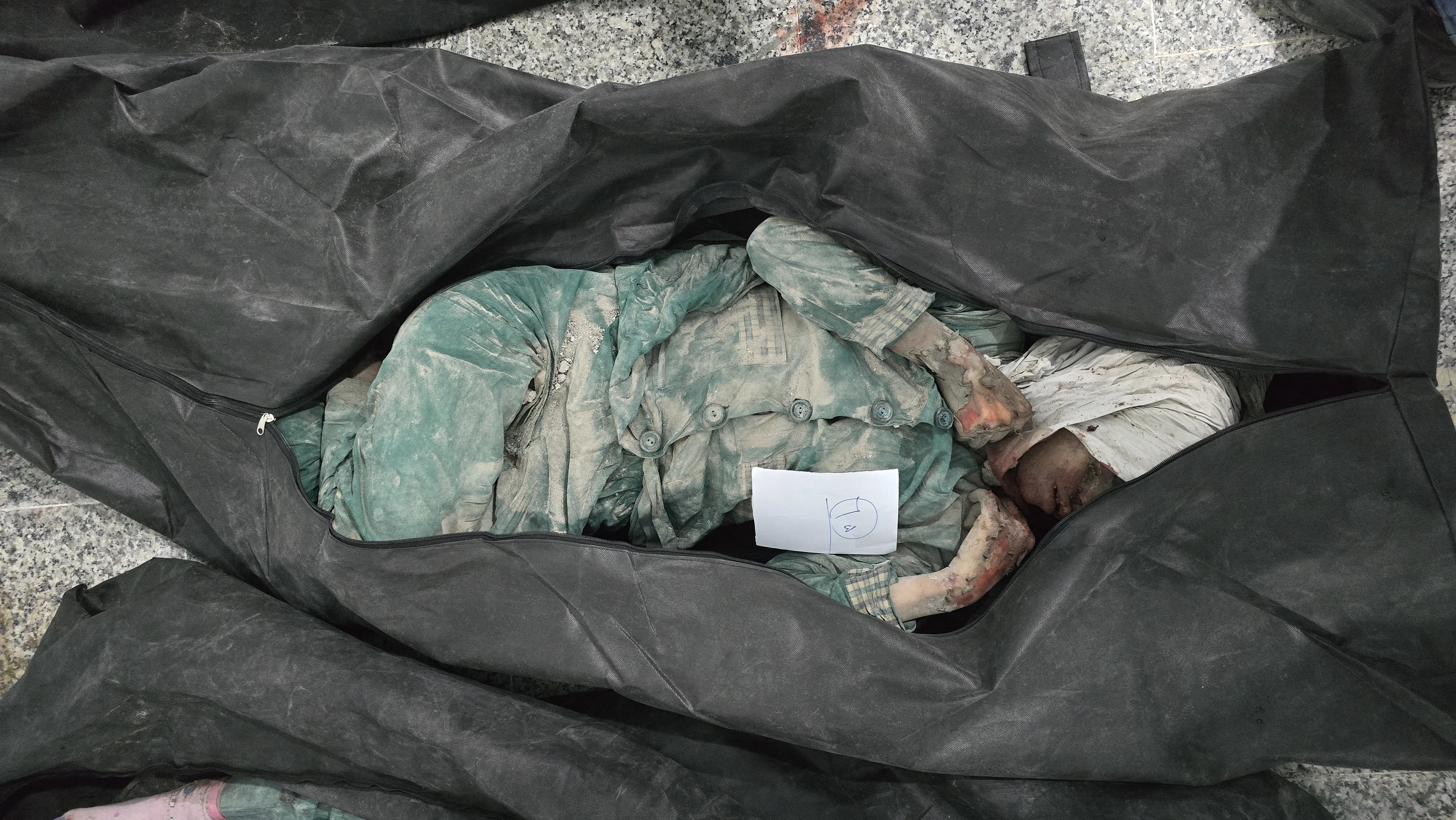
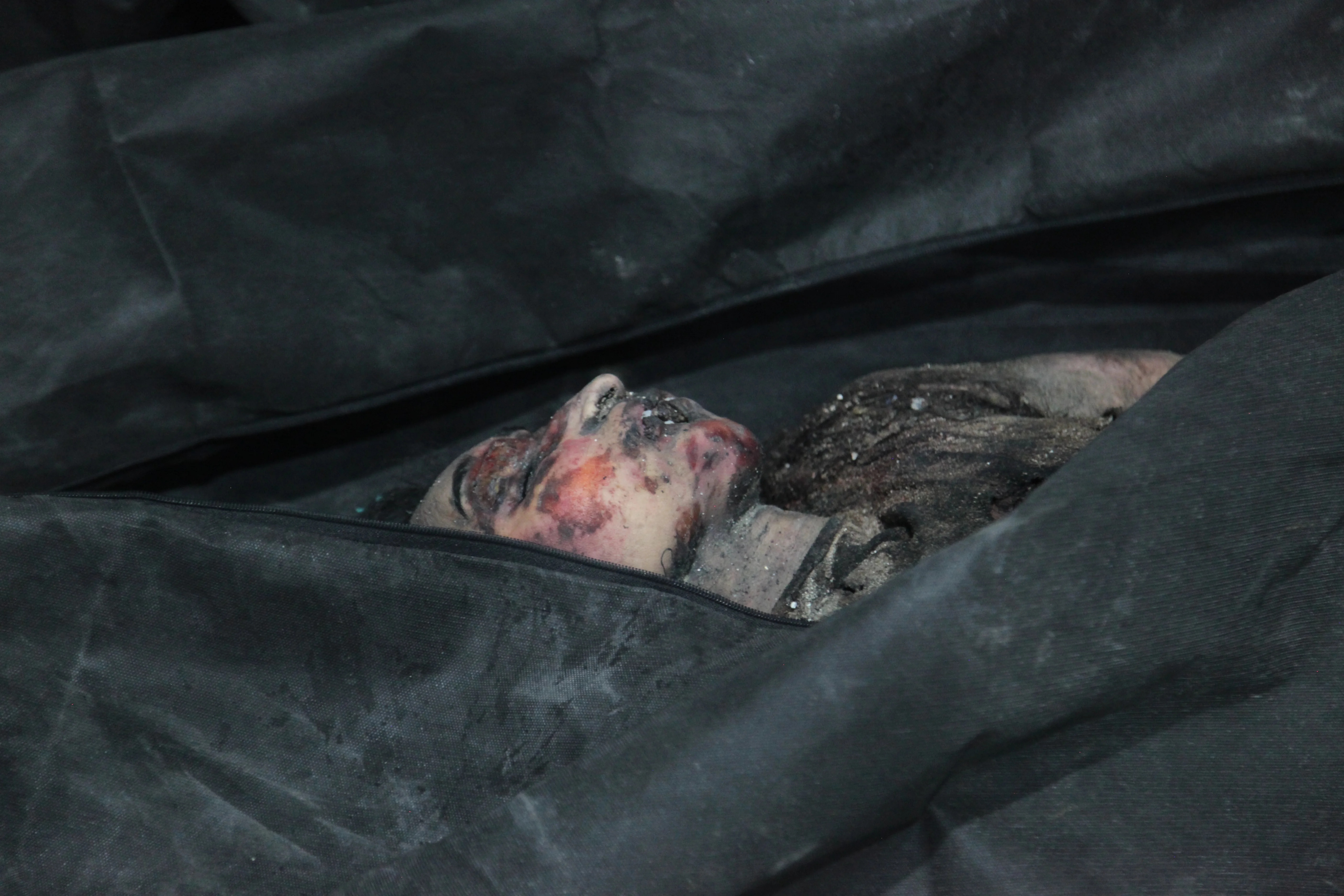
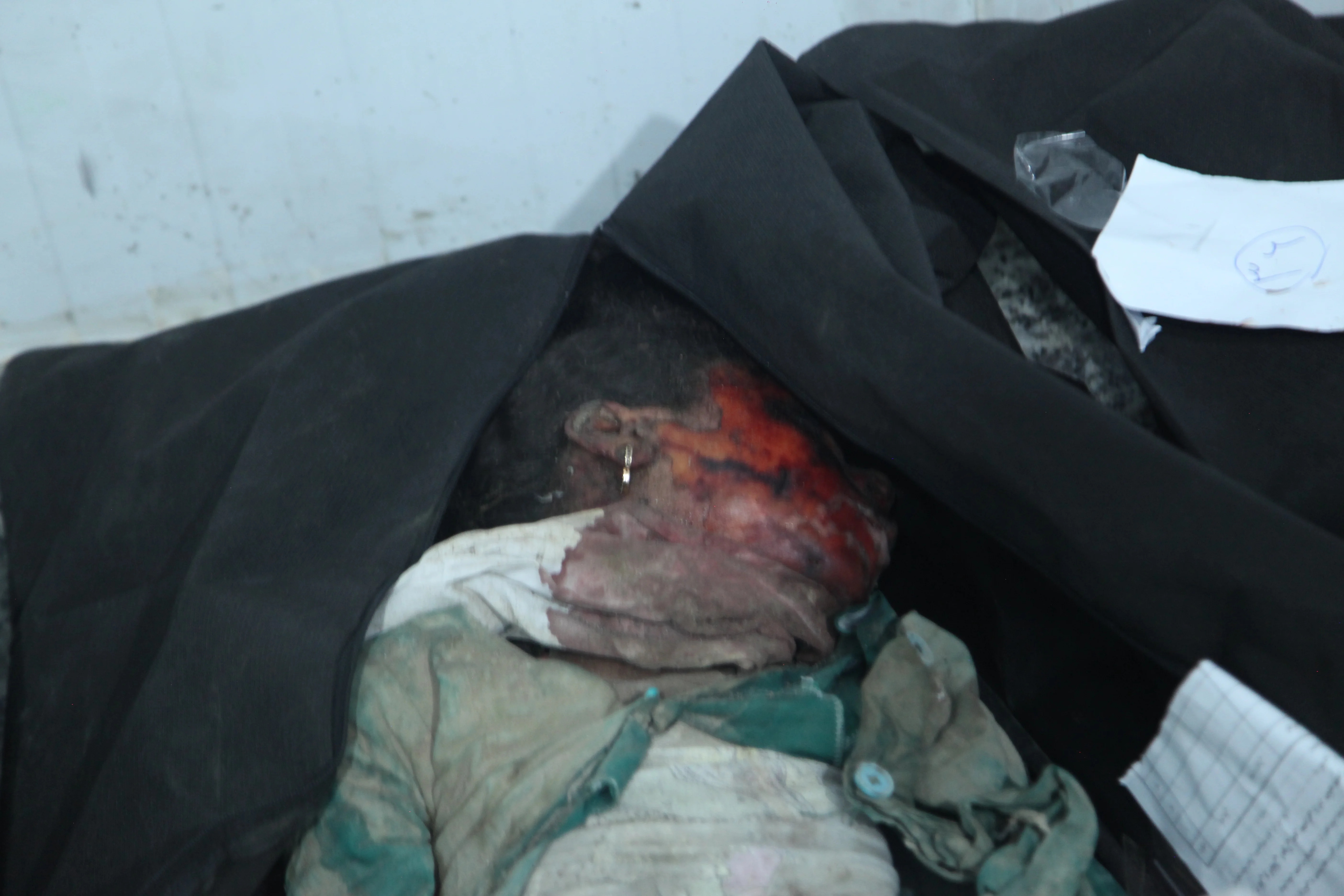
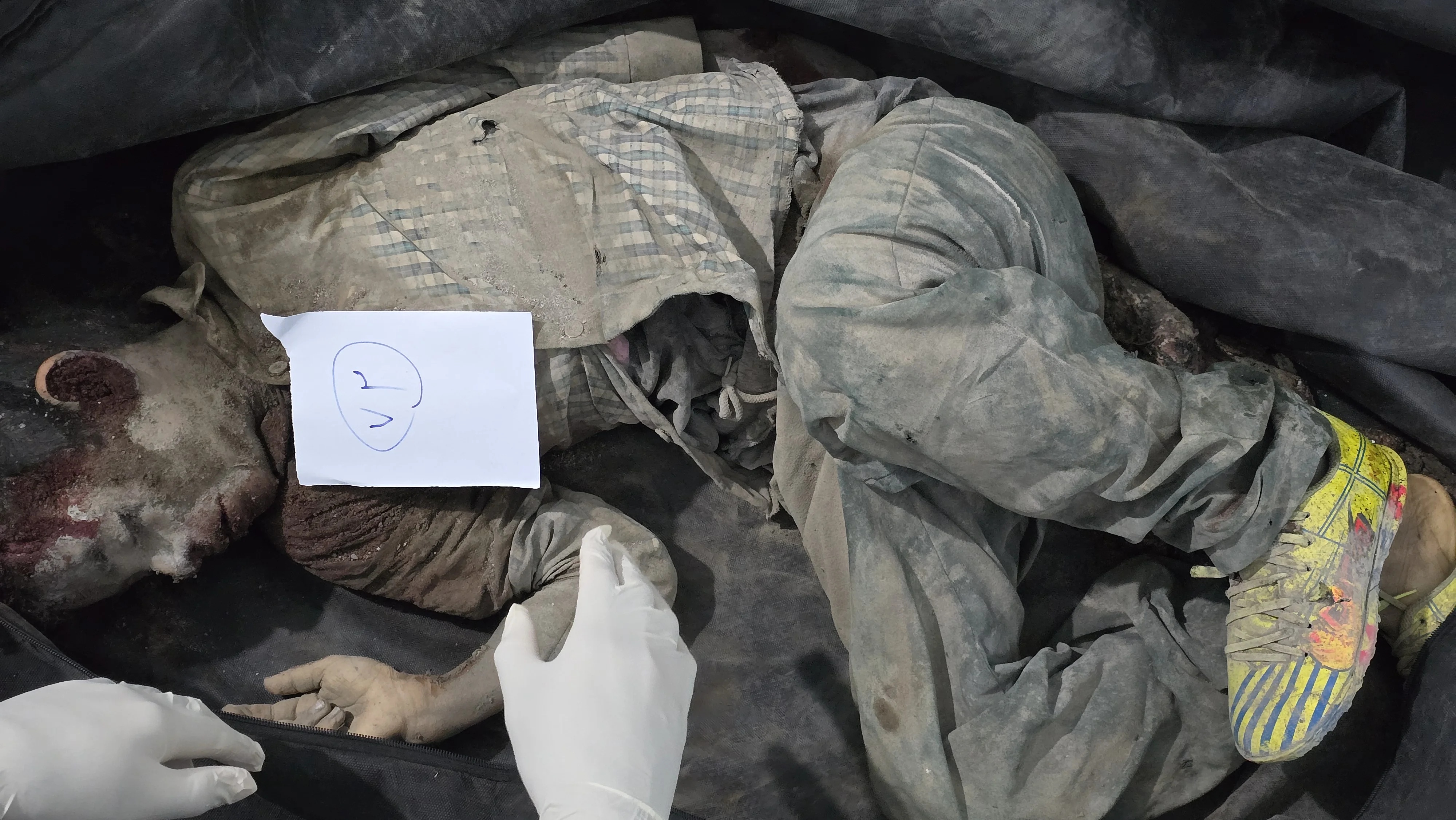
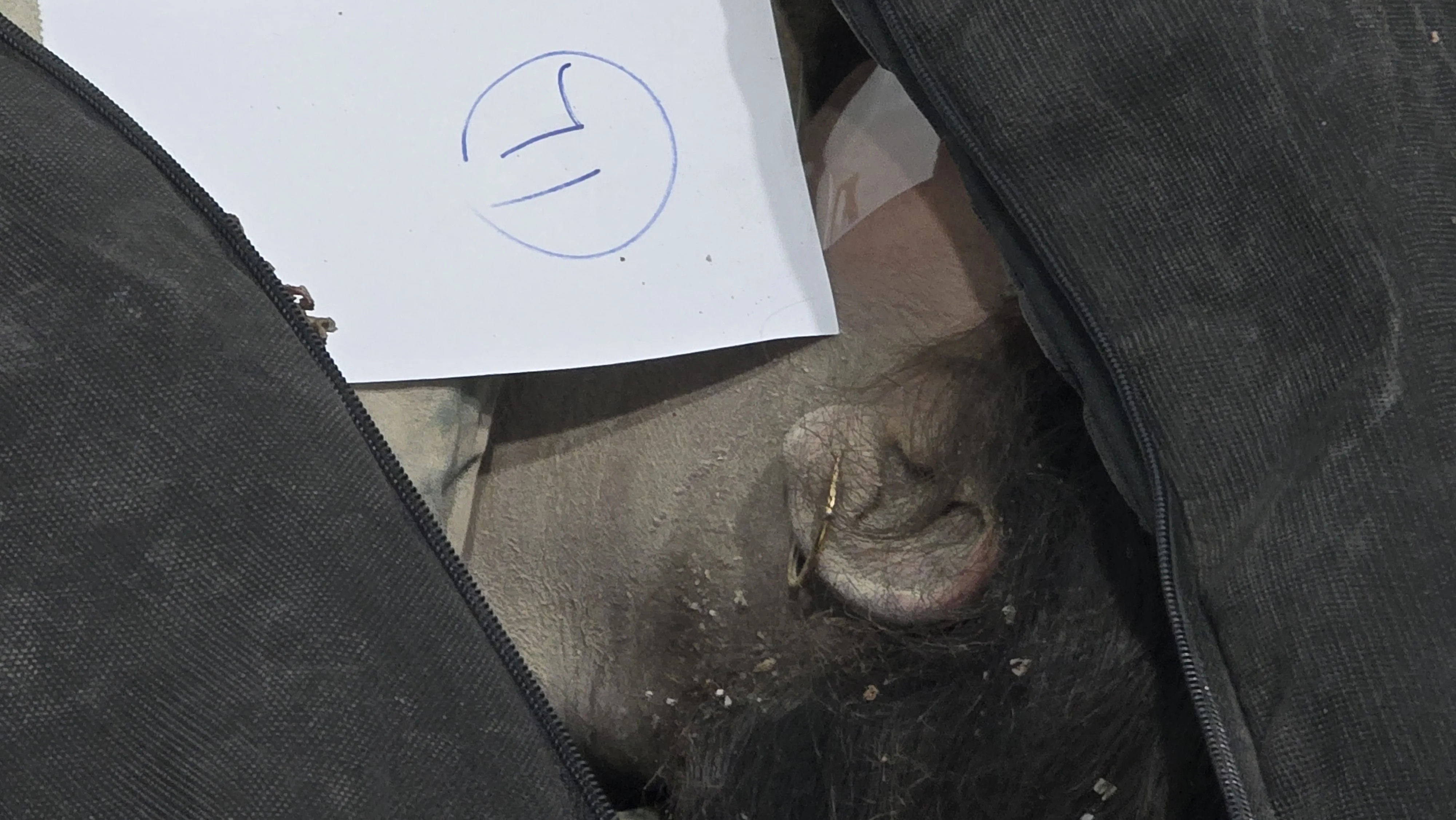
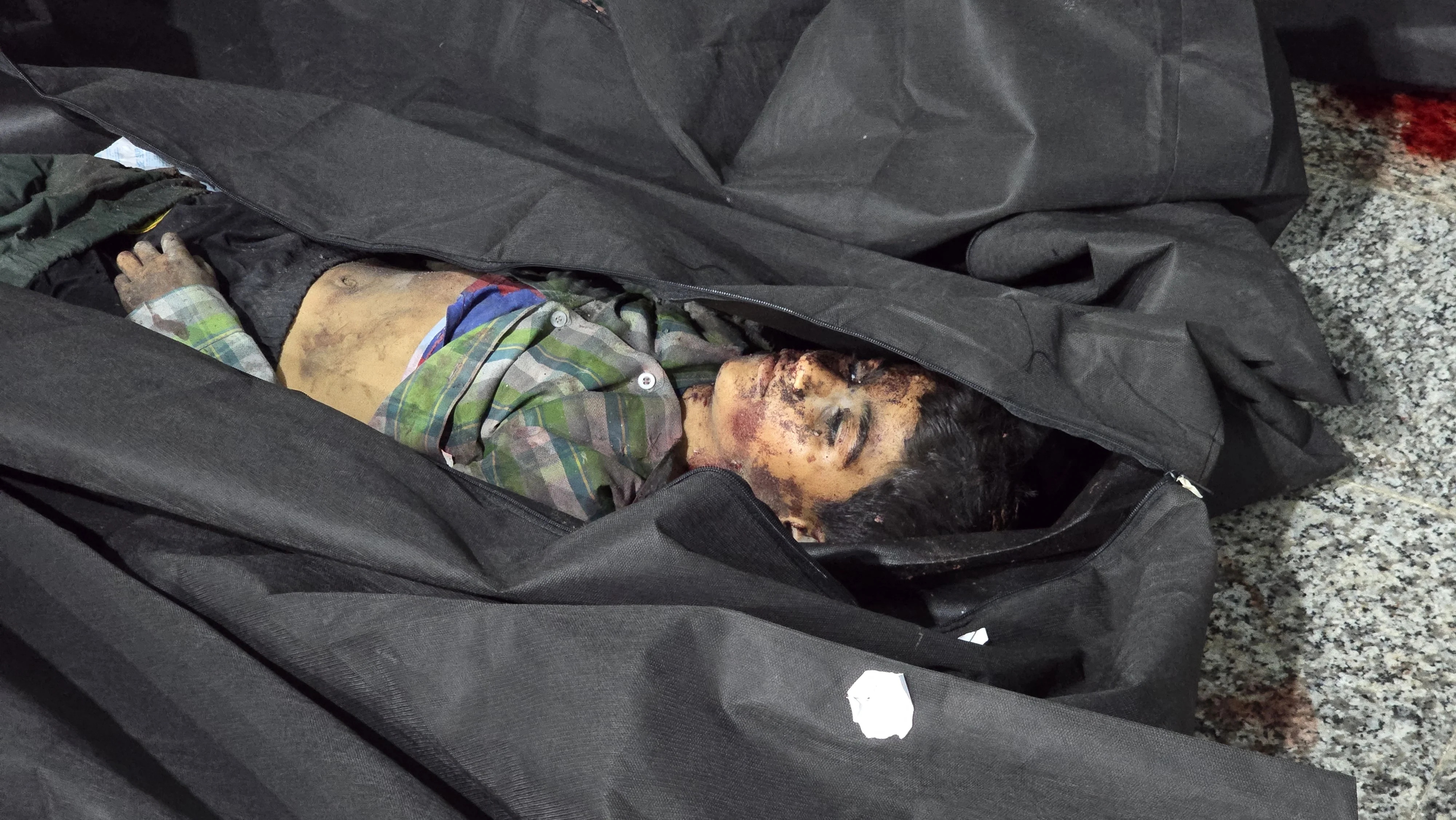
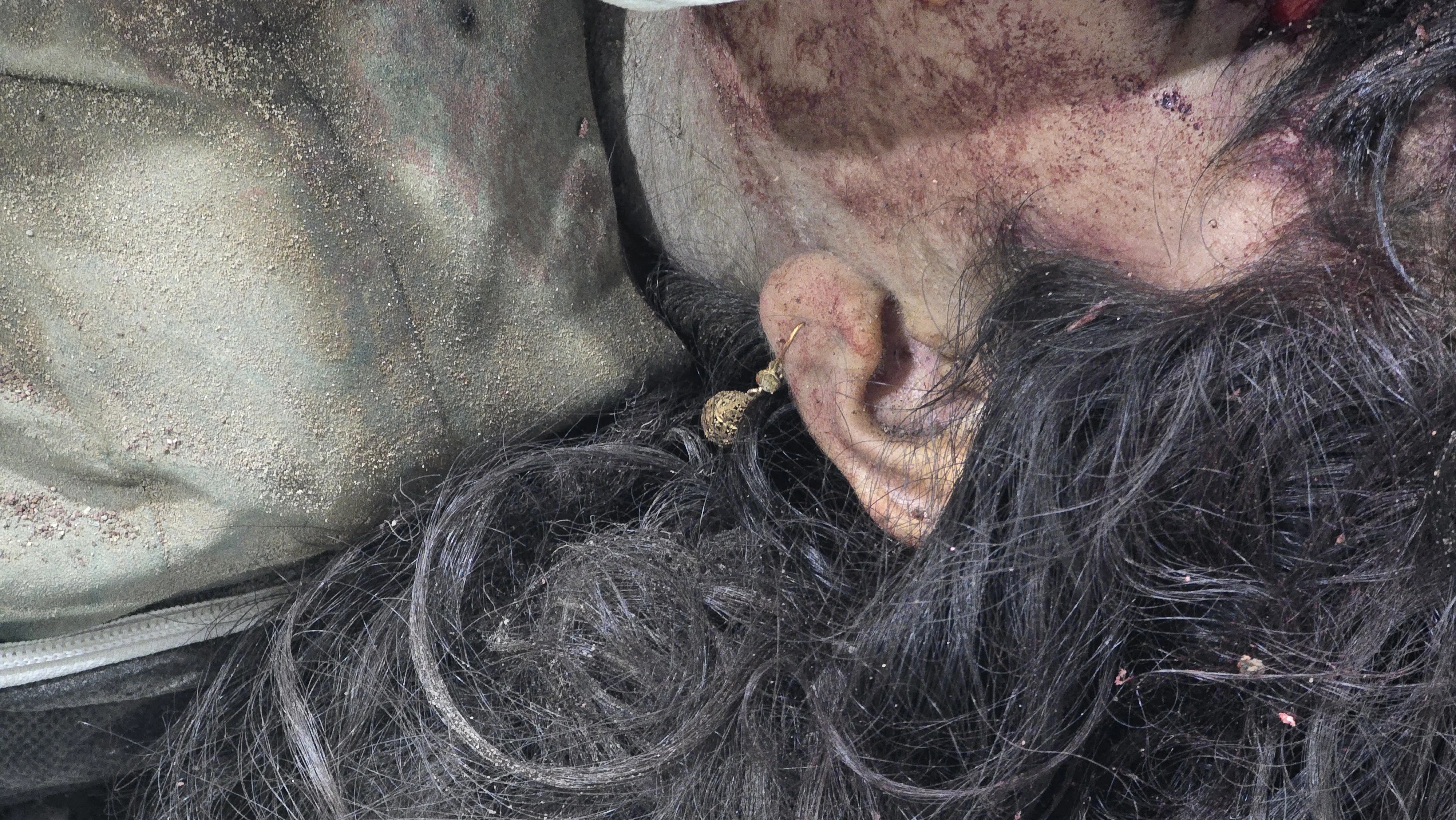
Schools are civilian objects. Because children gather in them, international humanitarian law gives them special, heightened protection. A deliberate strike on a functioning school can constitute a war crime.
Warring parties must always distinguish between military targets and civilian objects, and direct attacks only at legitimate military objectives. A school used only for teaching is not one.
Even near a military target, an attack expected to cause excessive civilian harm is prohibited — and every feasible precaution must be taken to spare civilians, above all children.
The Rome Statute prohibits intentional attacks on buildings dedicated to education, where they are not military objectives. Such acts carry individual criminal responsibility.
A US military investigation preliminarily found the United States responsible for a Tomahawk strike on the school. UN experts called for an independent investigation; Human Rights Watch said it should be investigated as a war crime; Amnesty International called for accountability. Reported by The New York Times, OHCHR, Human Rights Watch, Amnesty International.
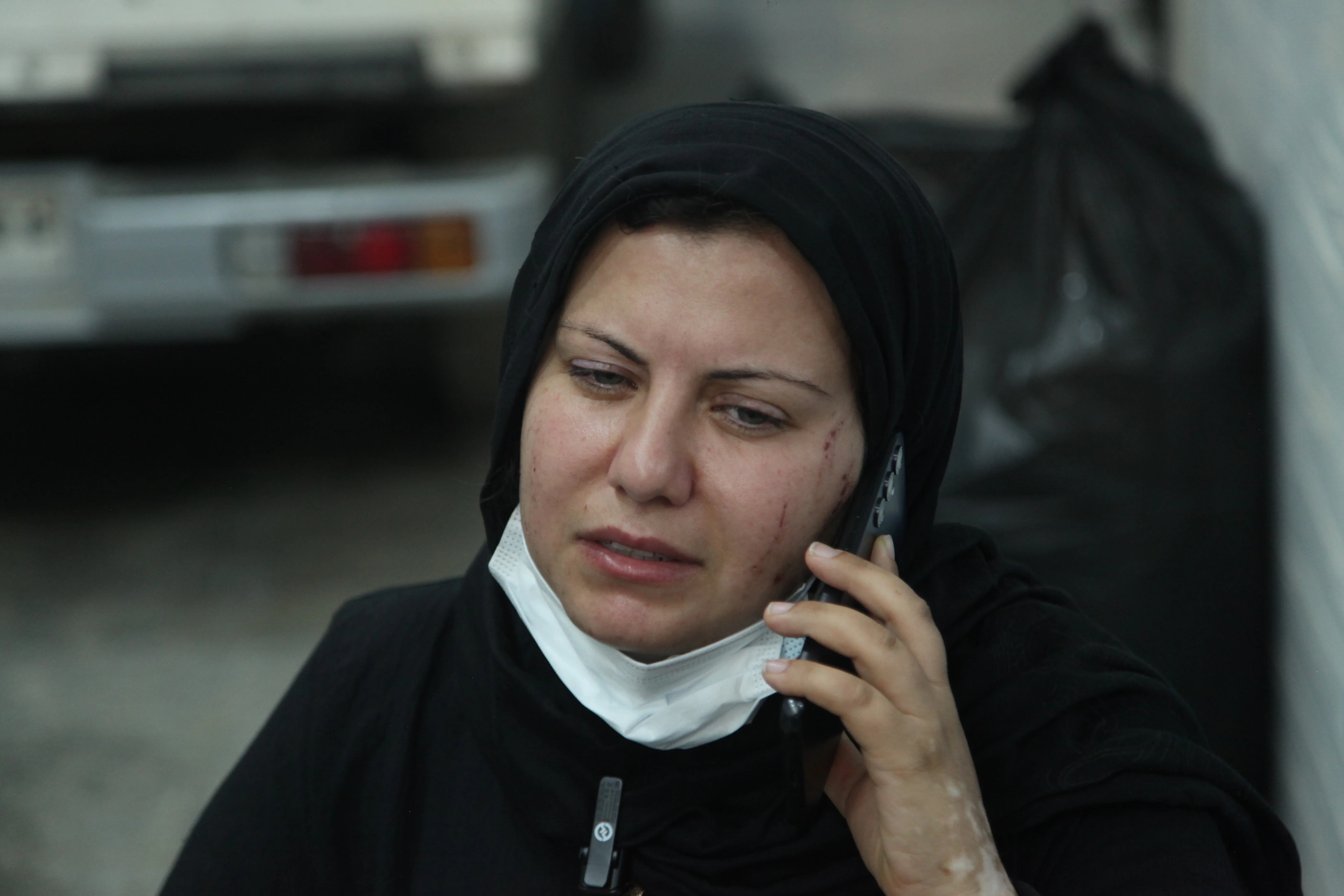
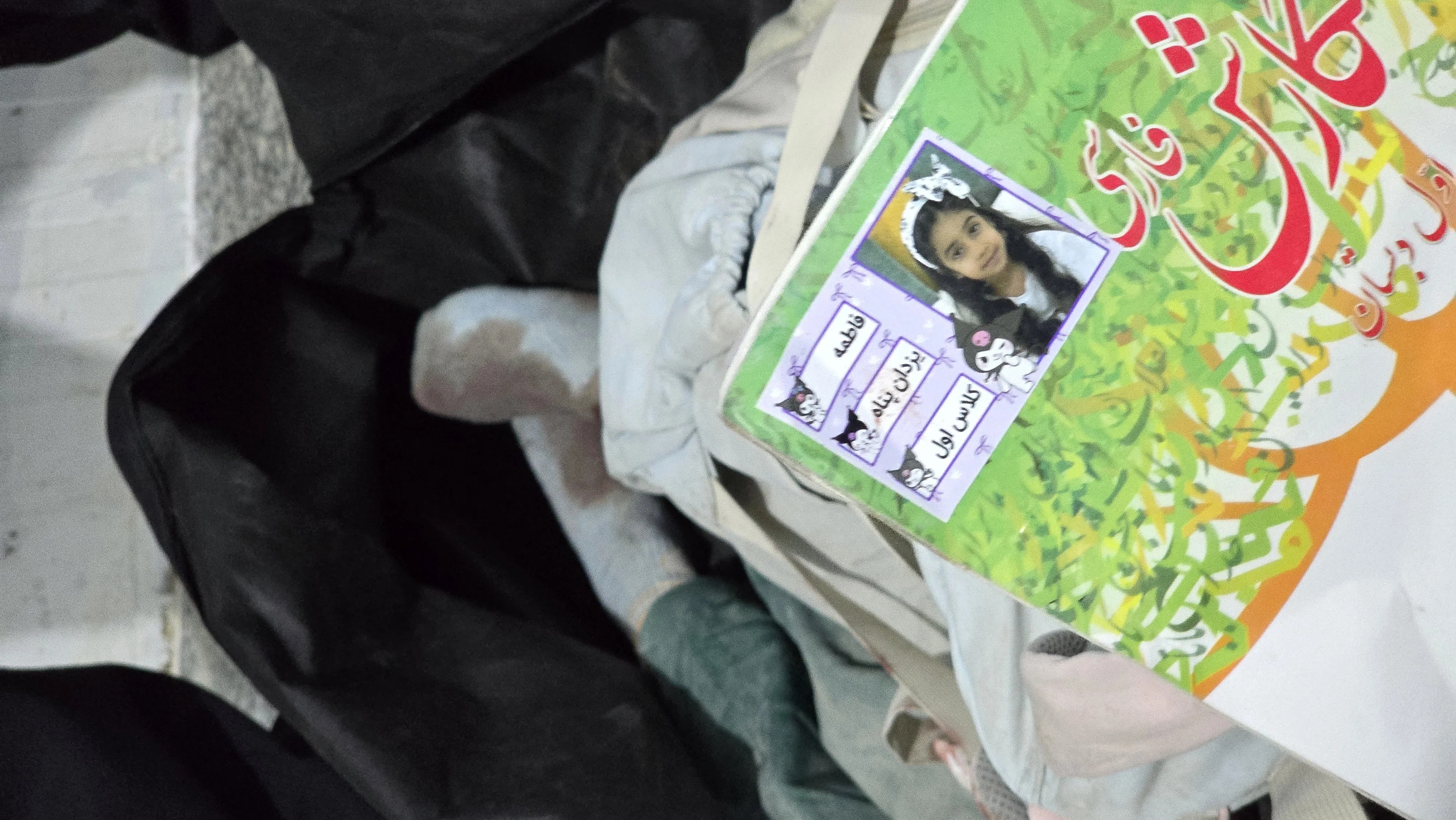
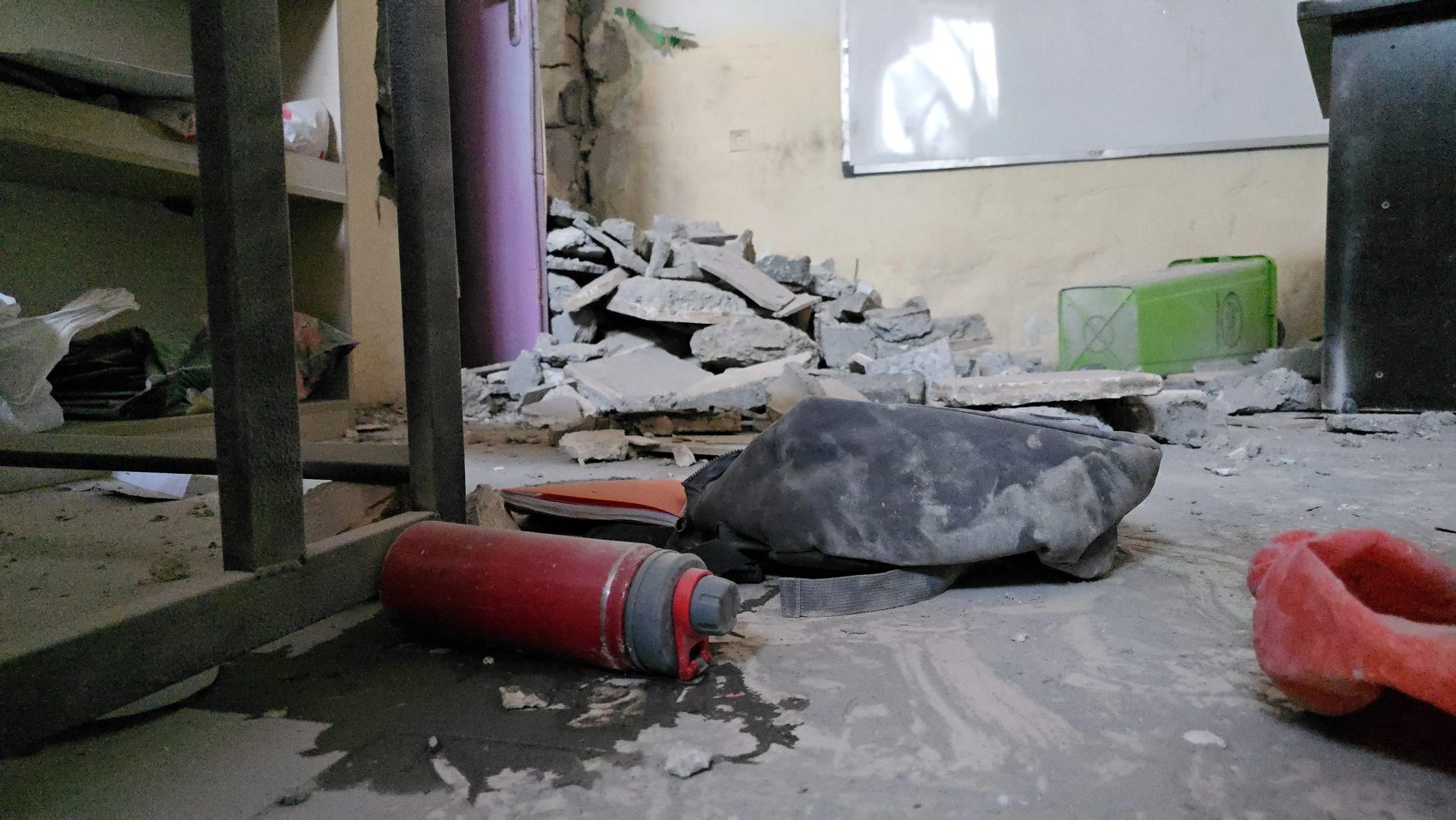
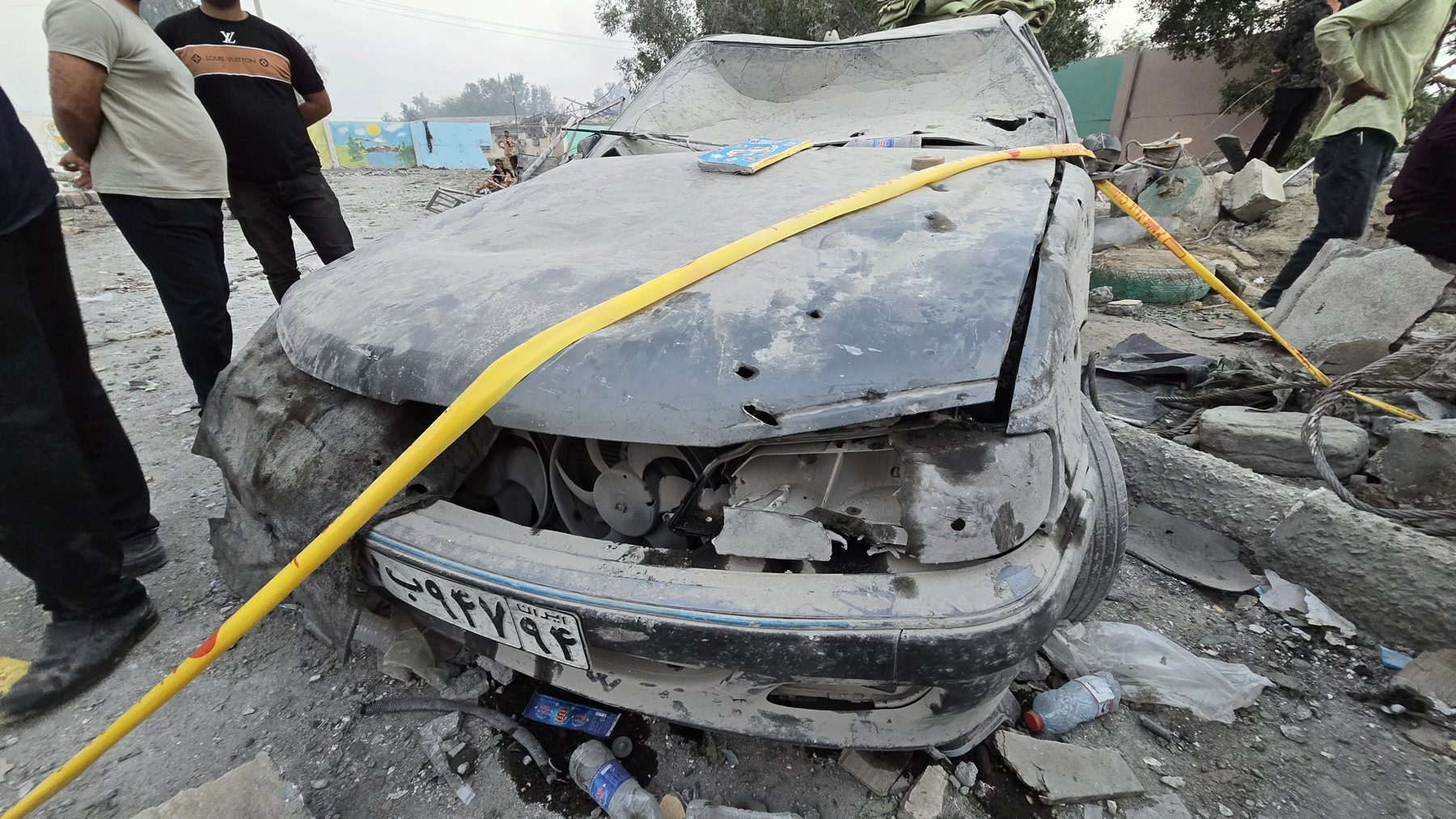
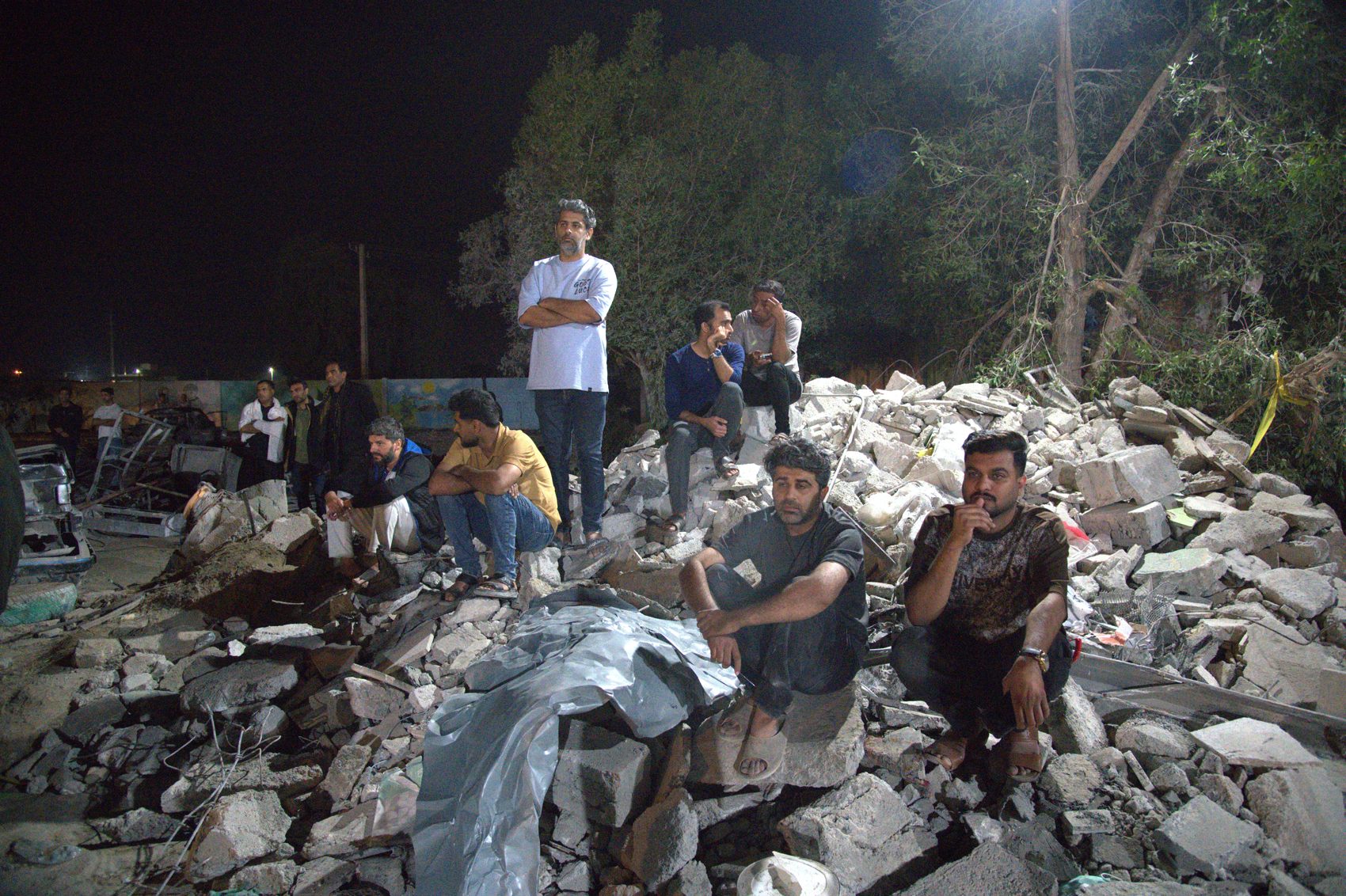
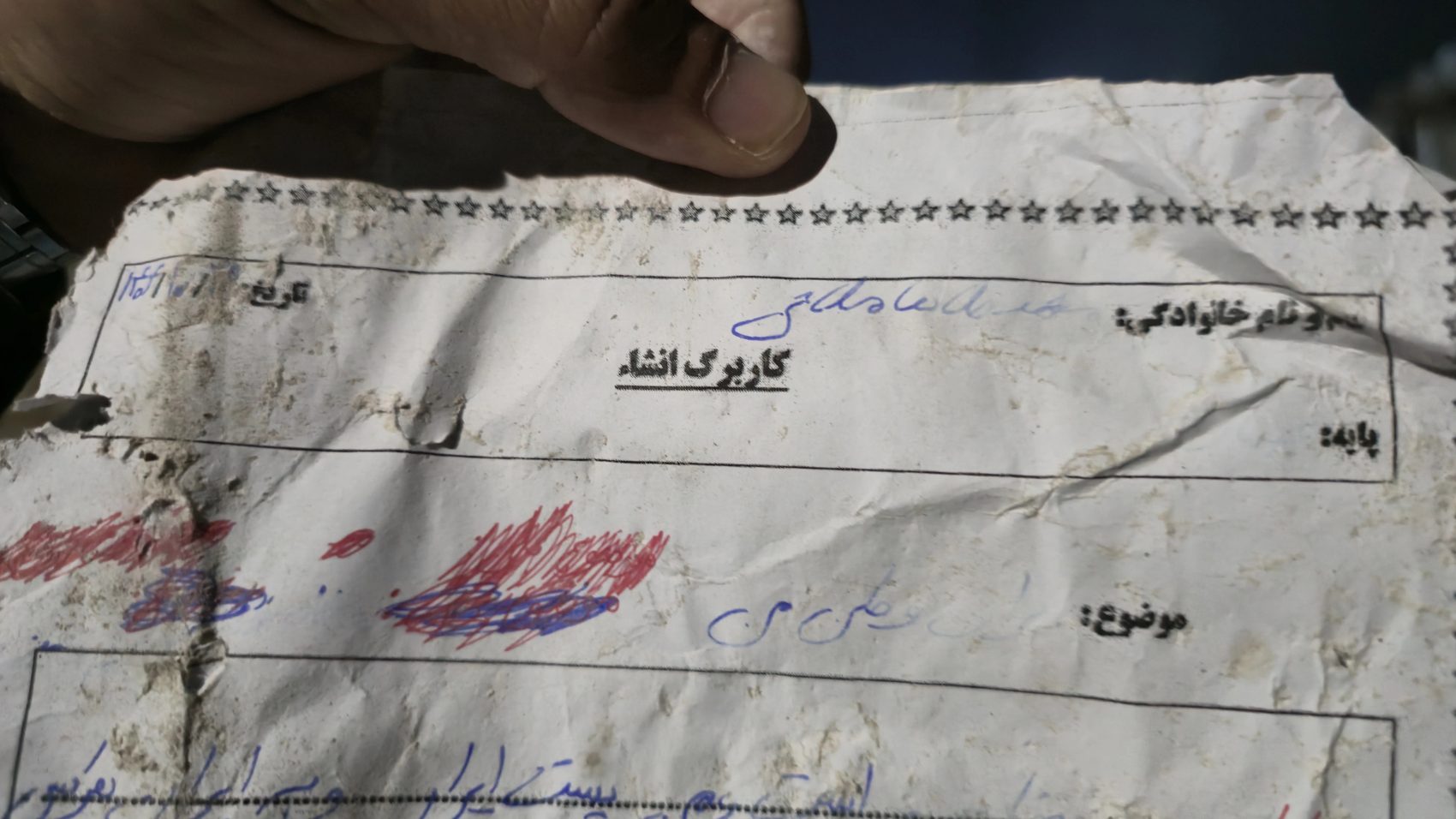
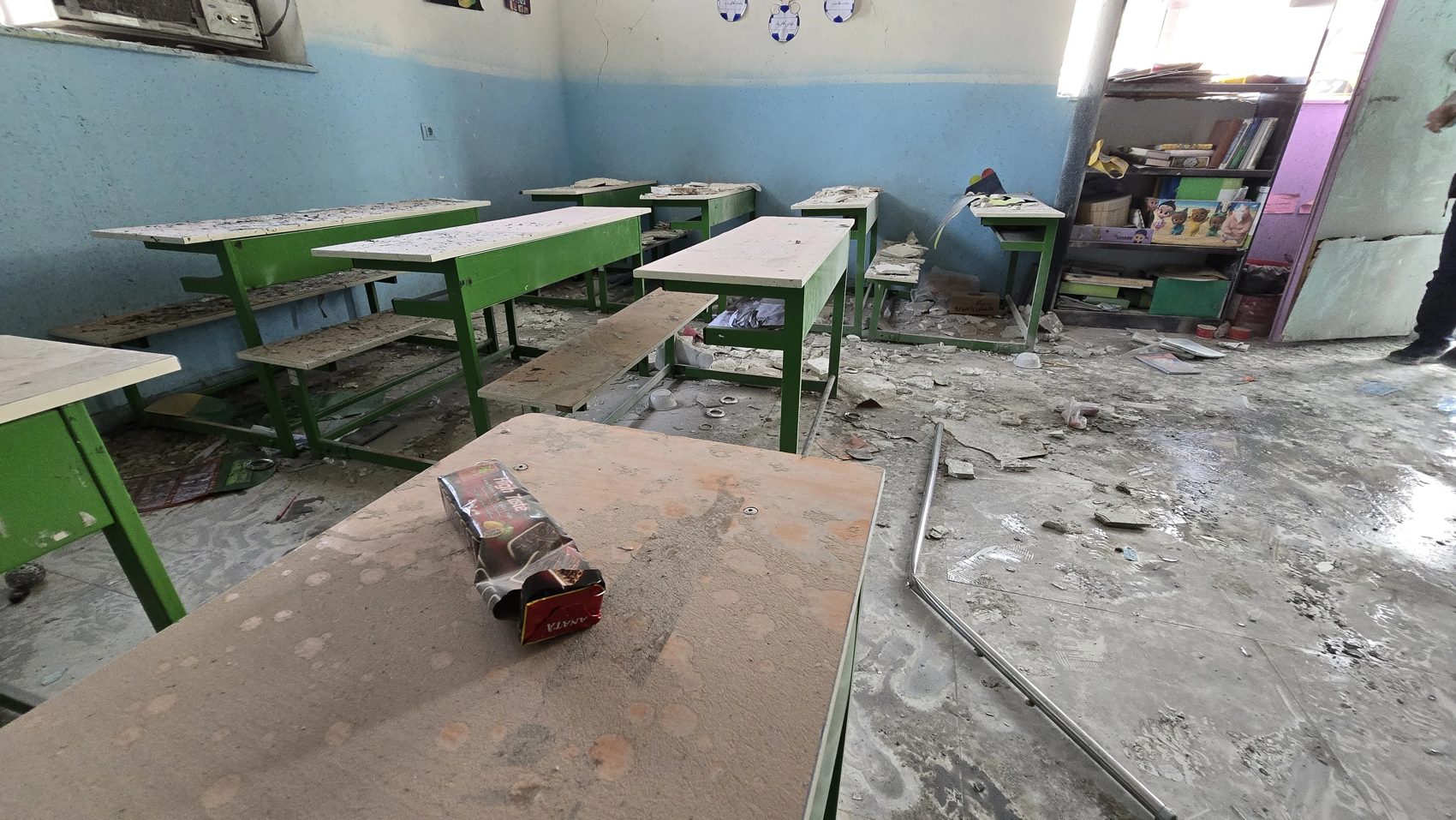
Not a number. A classroom. A street. A town.
The children, teachers, and parents of Shajareh Tayyebeh, as recorded on the memorial boards of Hormozgan's schools. Where a name is uncertain in transliteration, the Persian is the truth of it.
Ordinary children, in an ordinary school, on an ordinary morning, Except one tragedy.
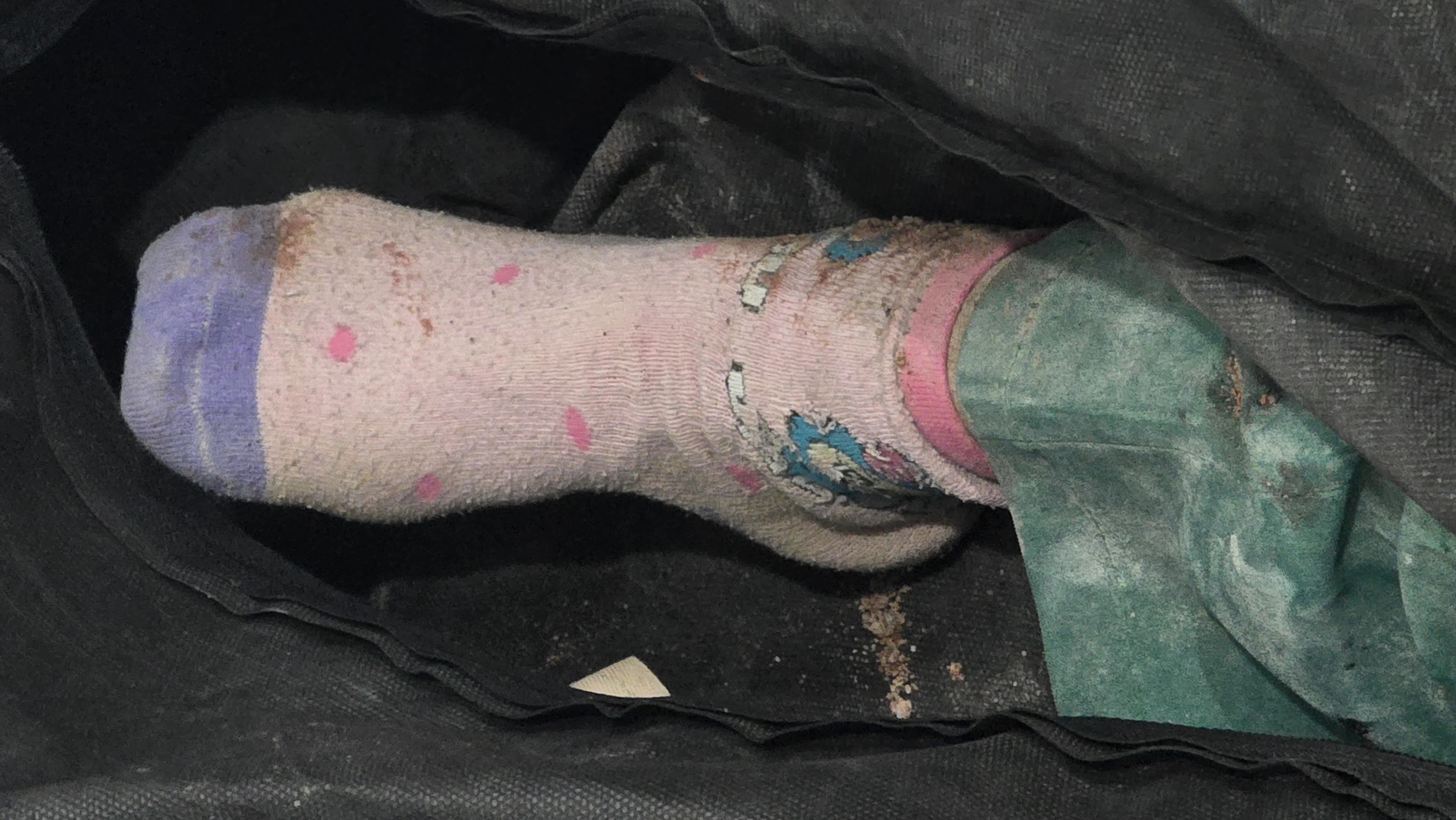
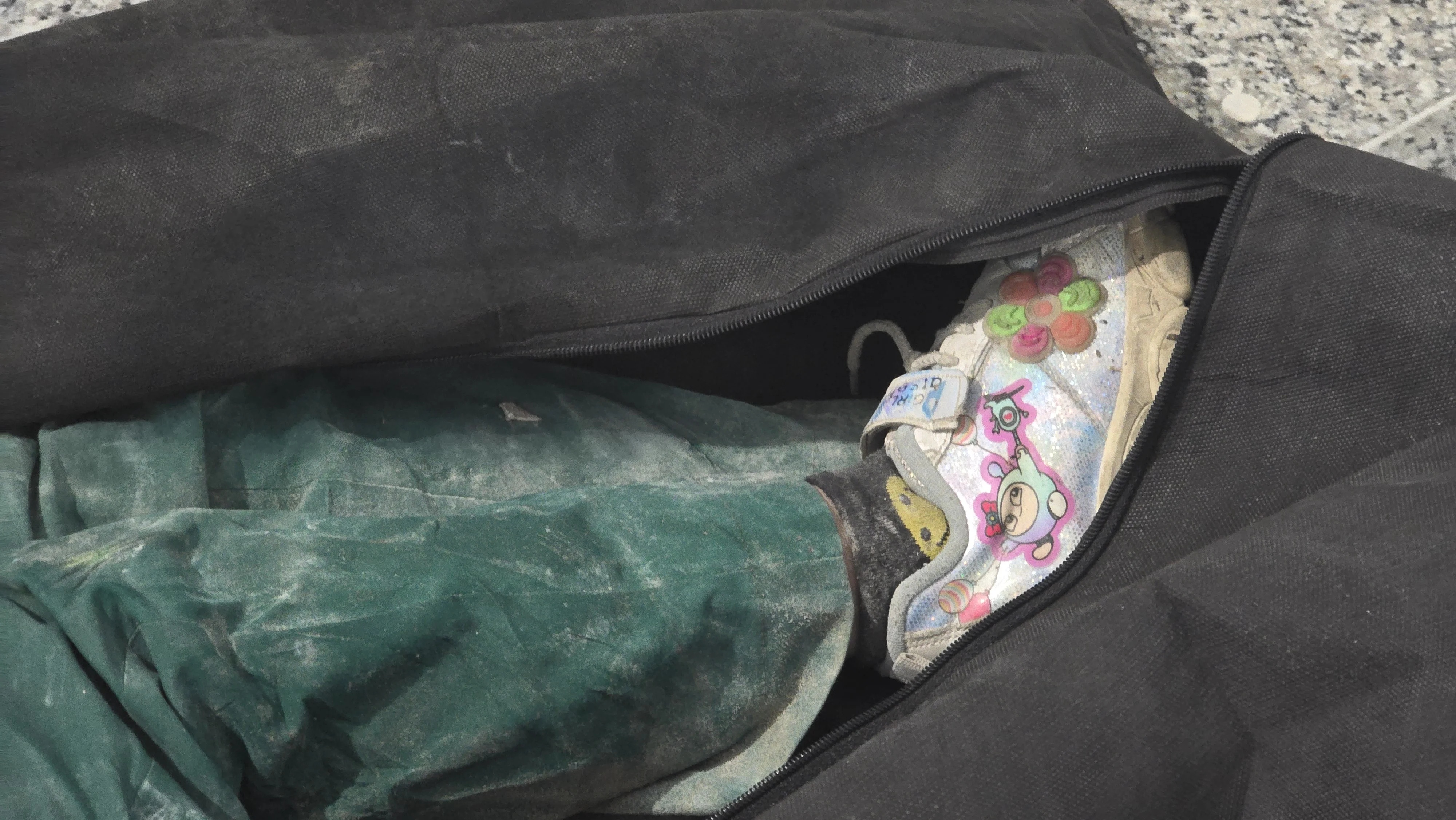
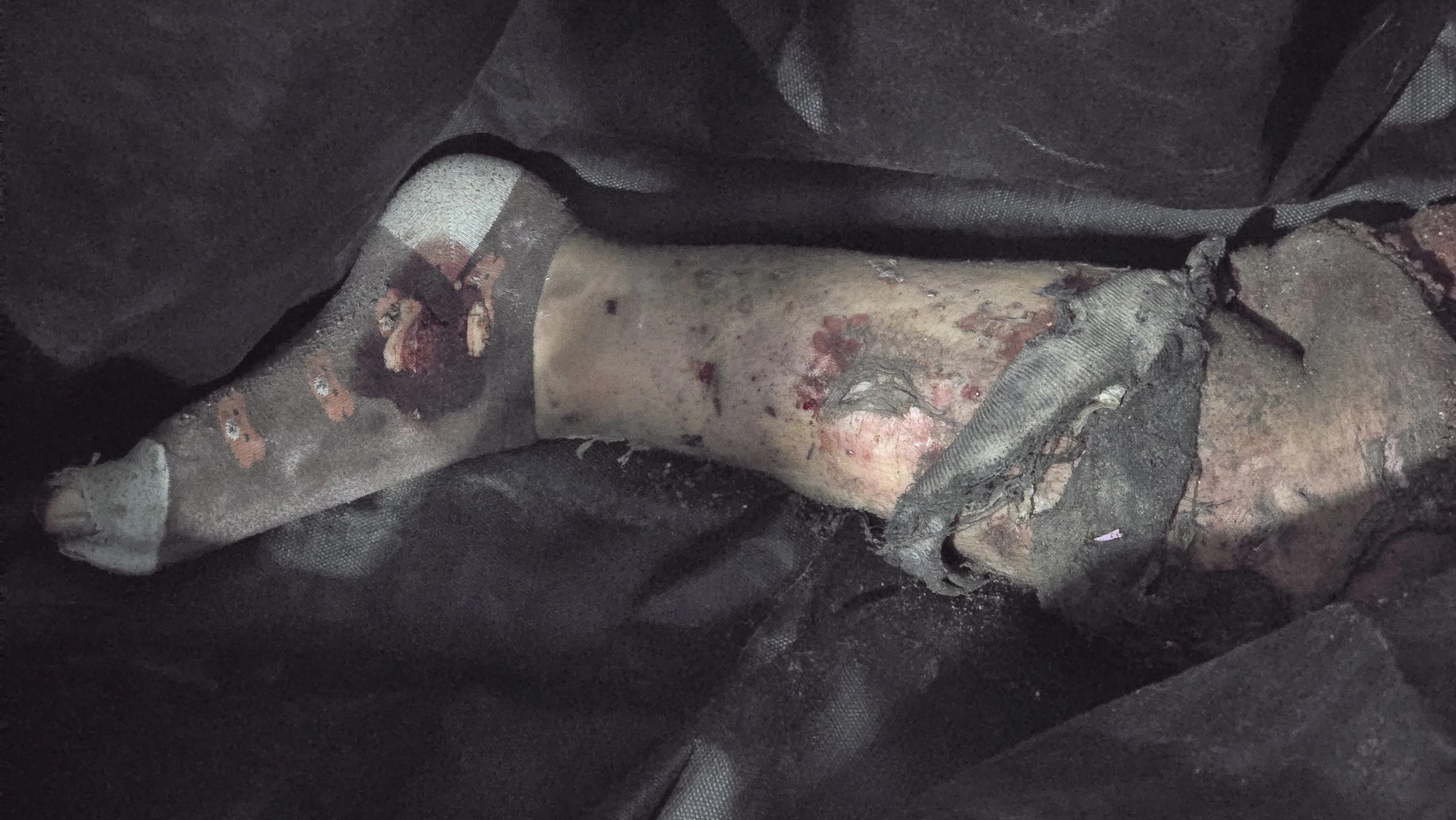
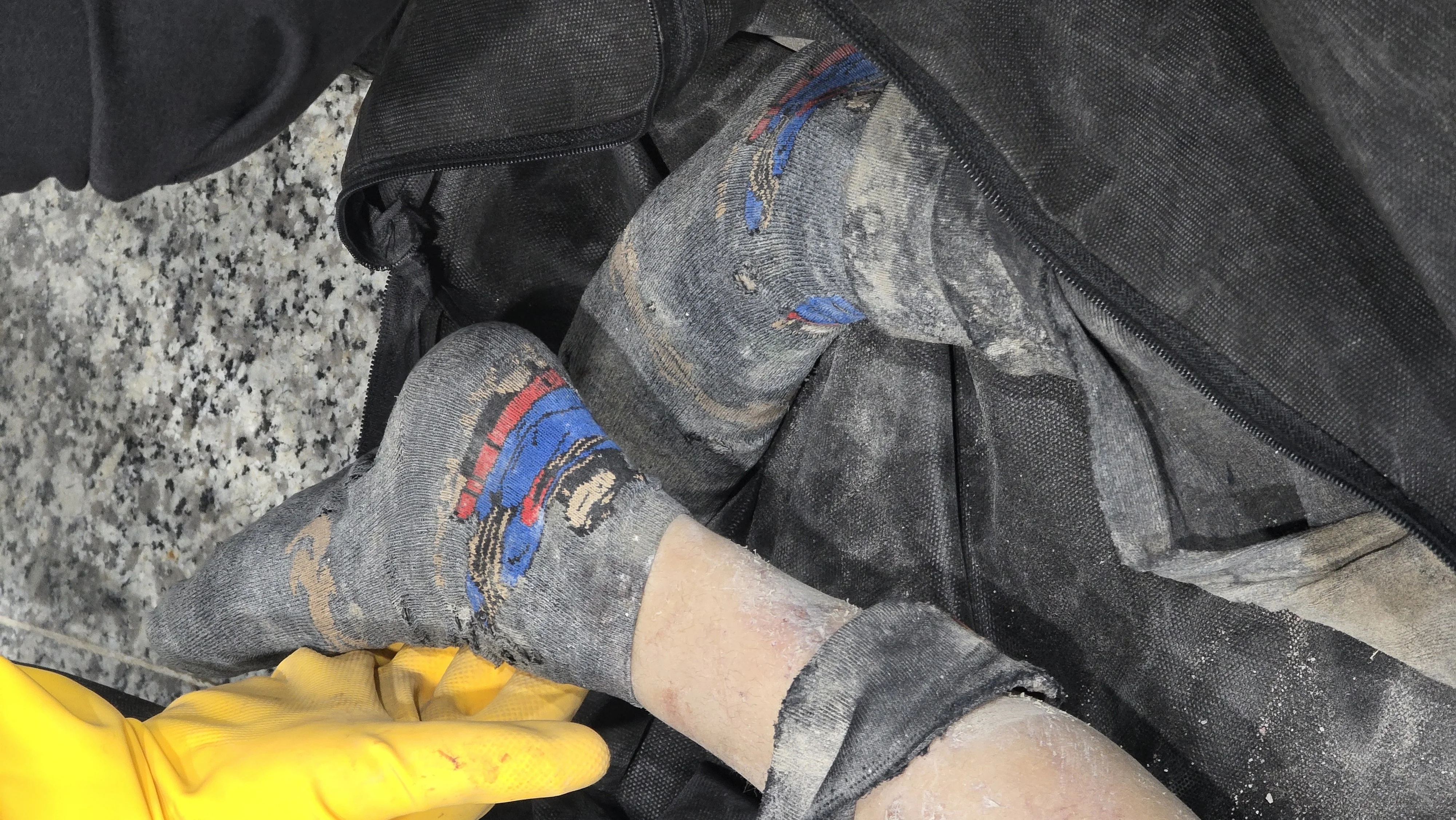
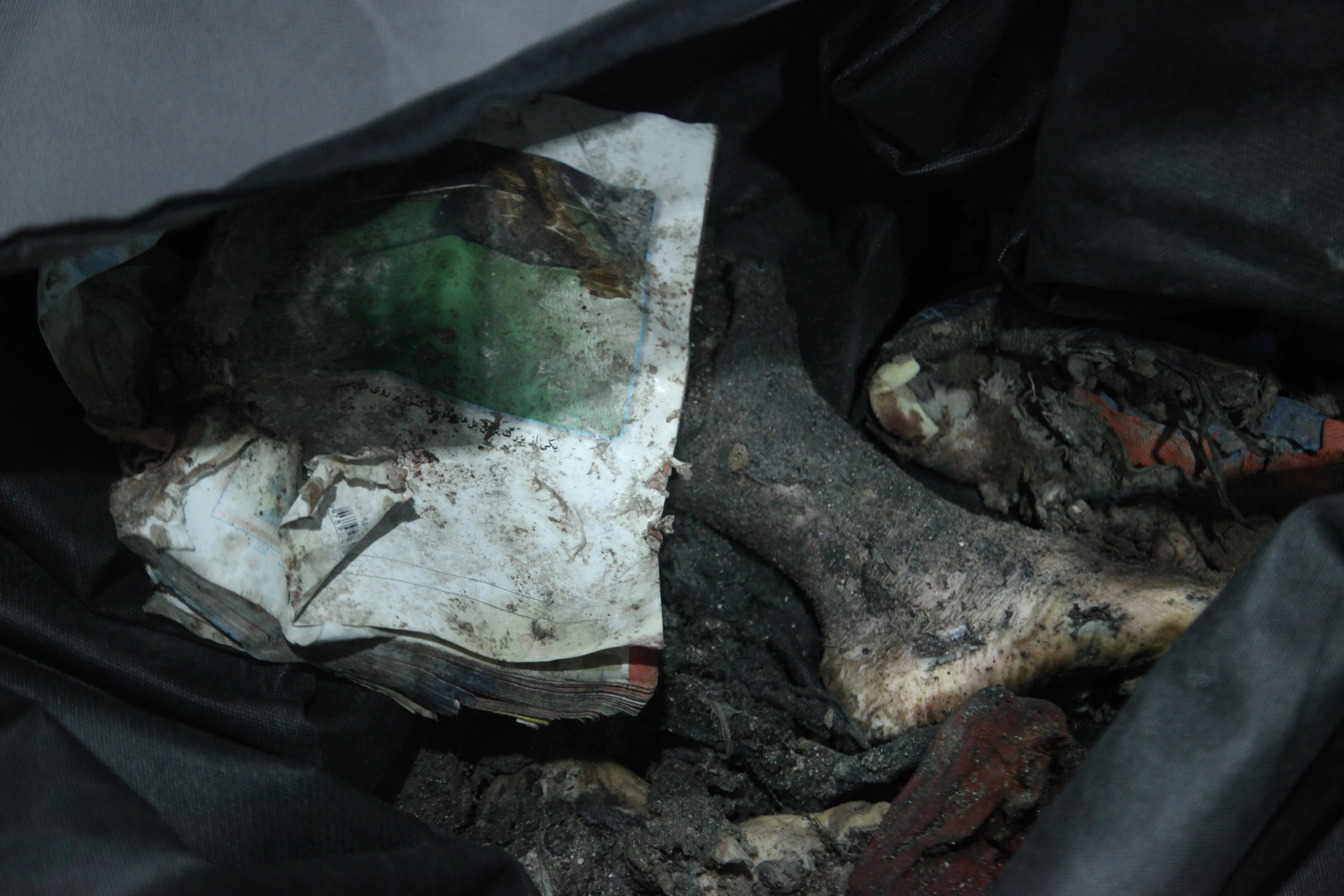
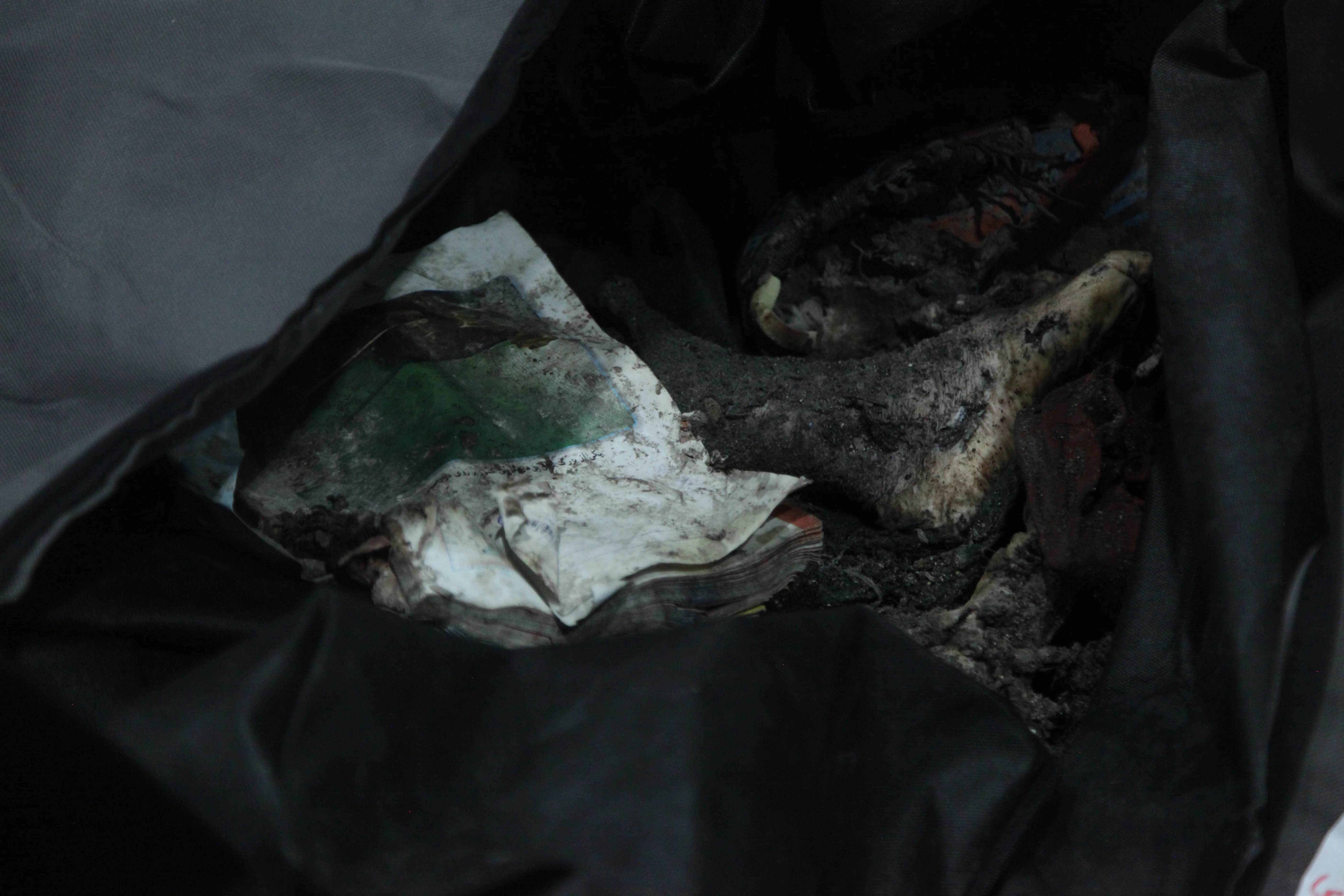
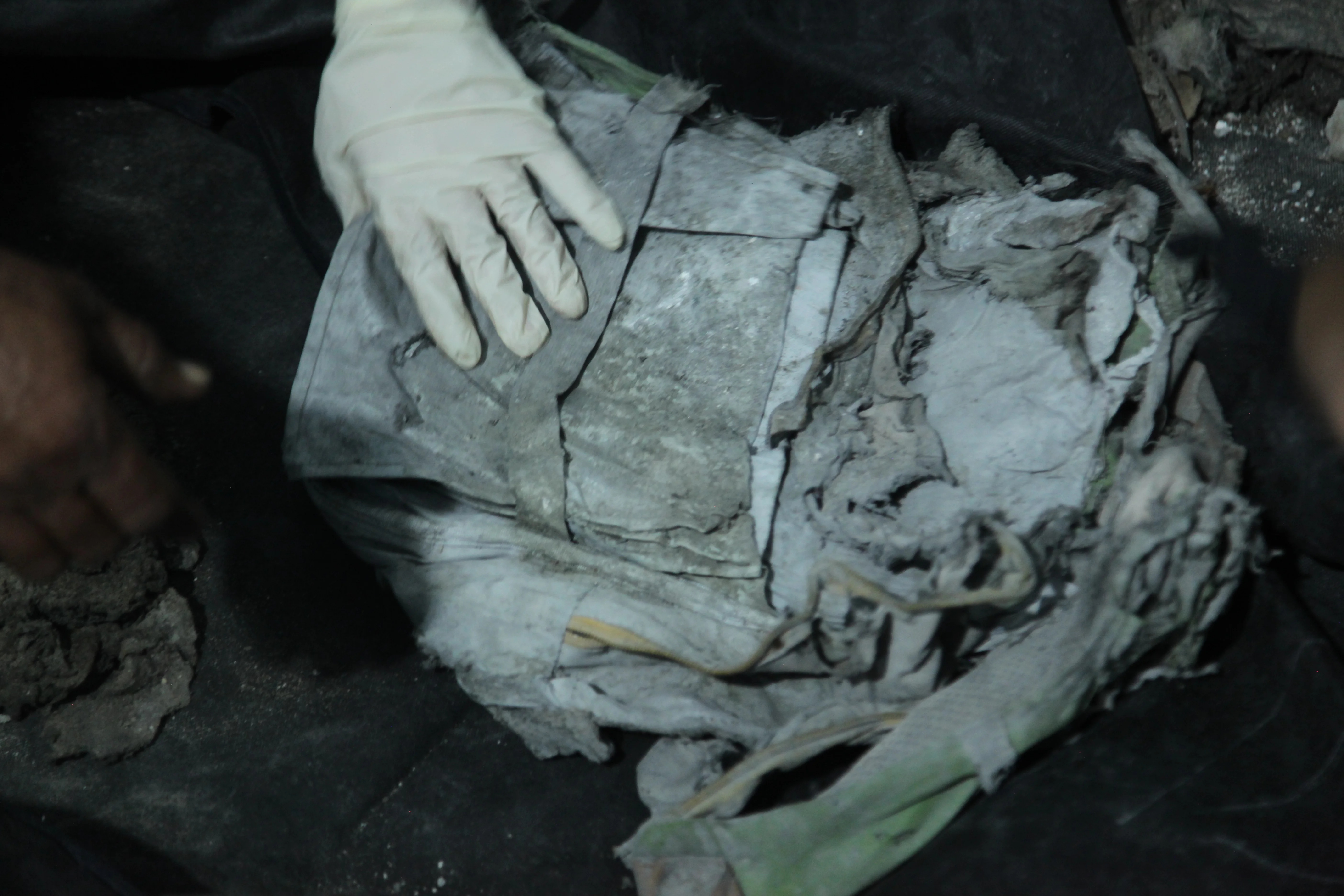
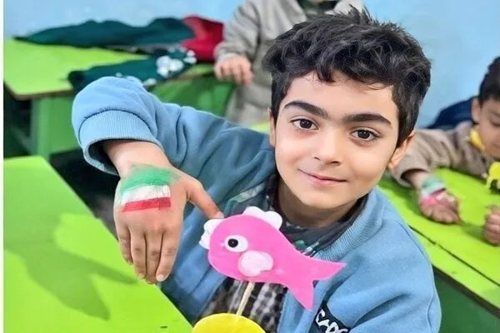
Of all the children, his body was never found.
Somewhere beneath the rubble of his school, Makan was lost completely. His family had no one to carry out, no one to wash, no grave to stand beside. Only a name, and an absence that does not end.
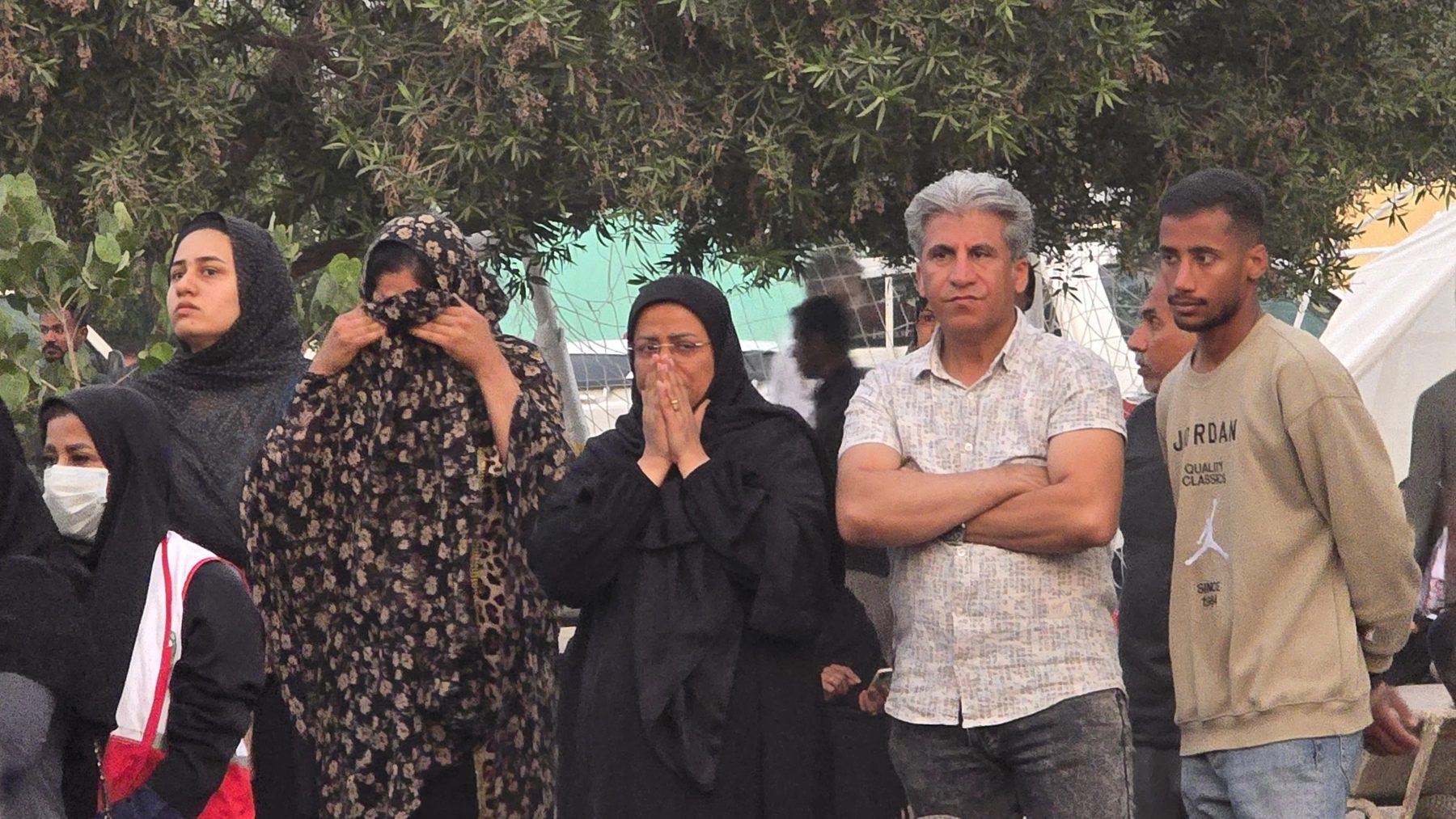
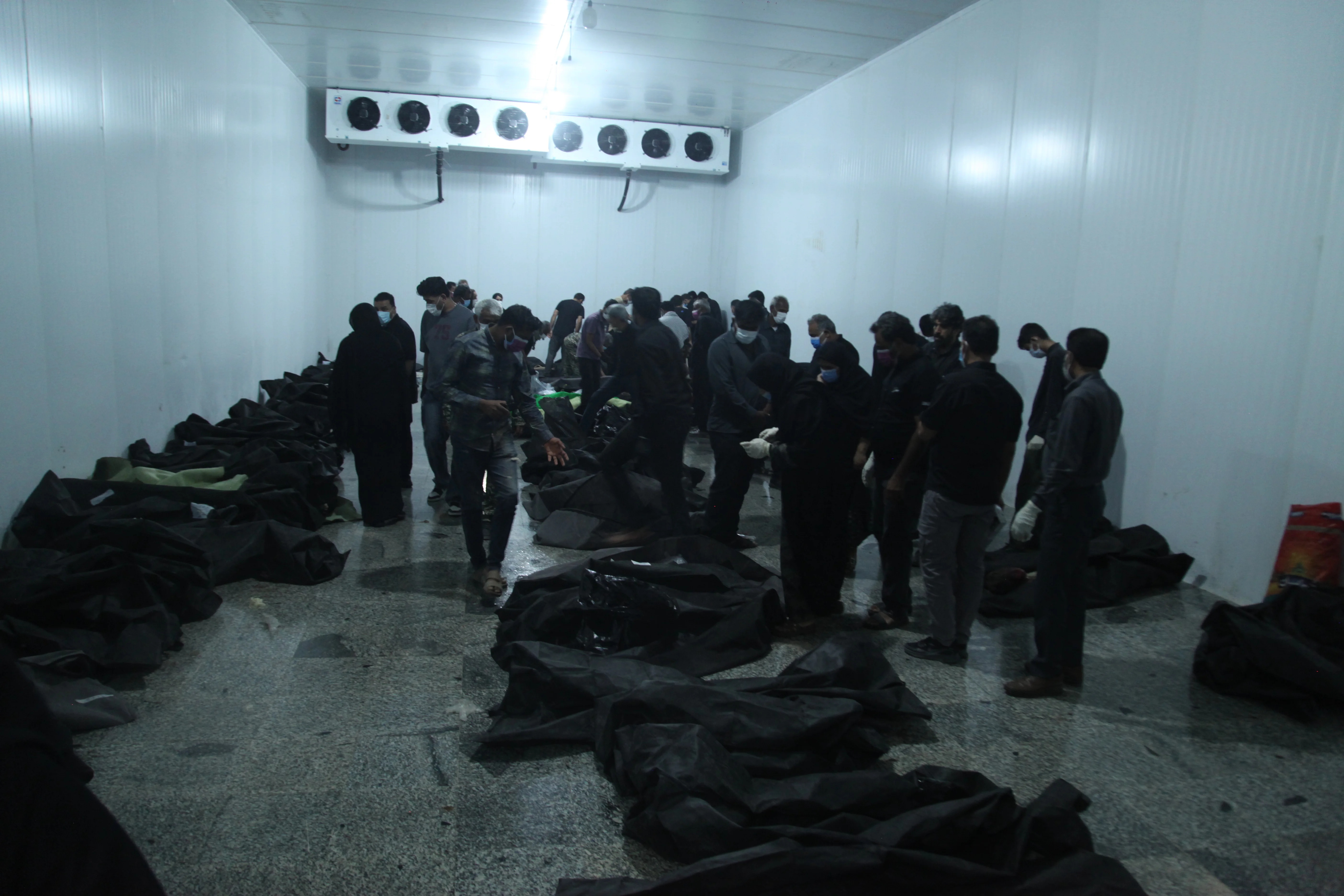
When the phone lines came back, the calls were all the same question: where is my child? These are the hours that followed — the digging, the waiting, the grief of a small town that lost a generation of its classrooms in a single morning.
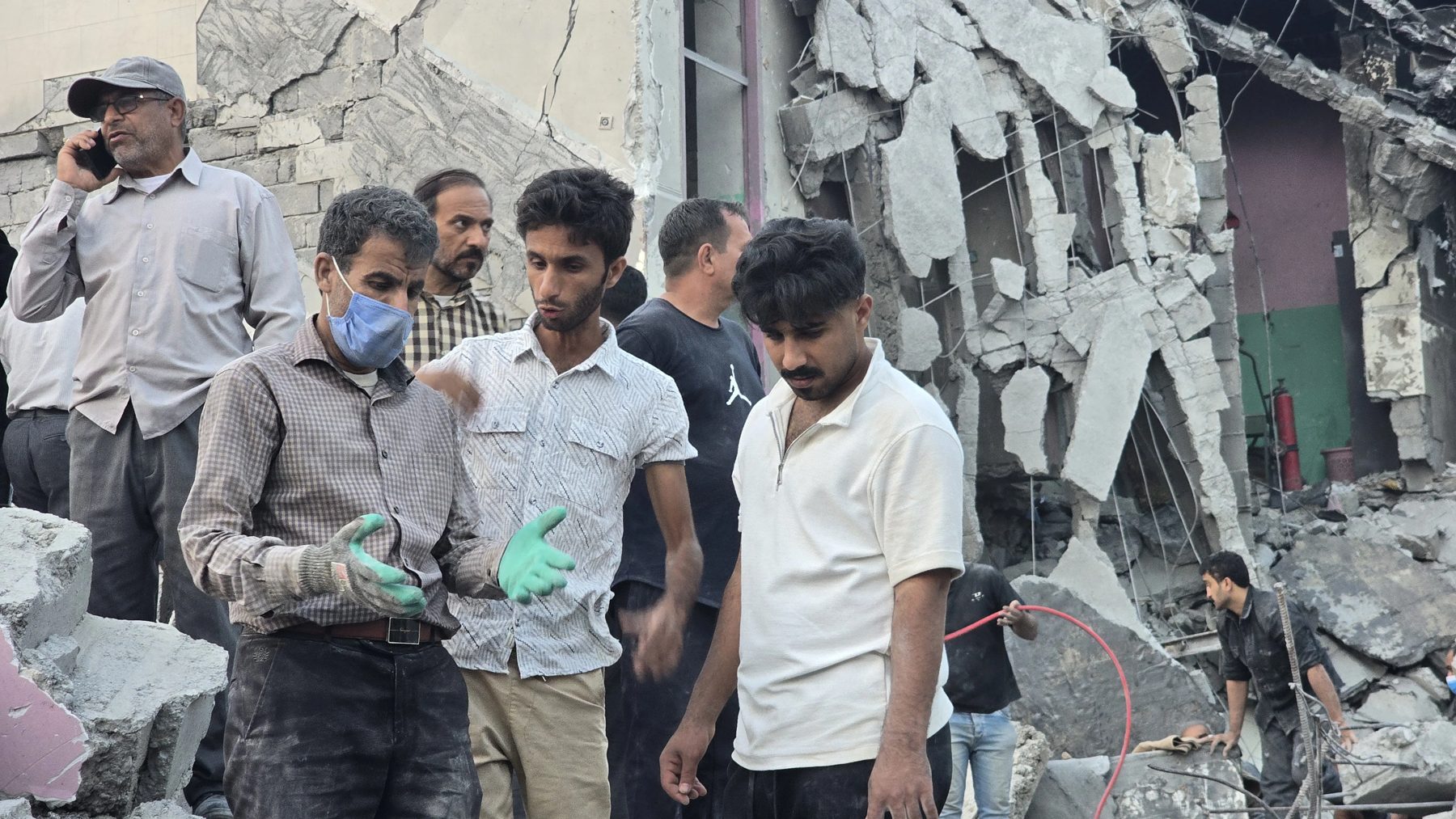
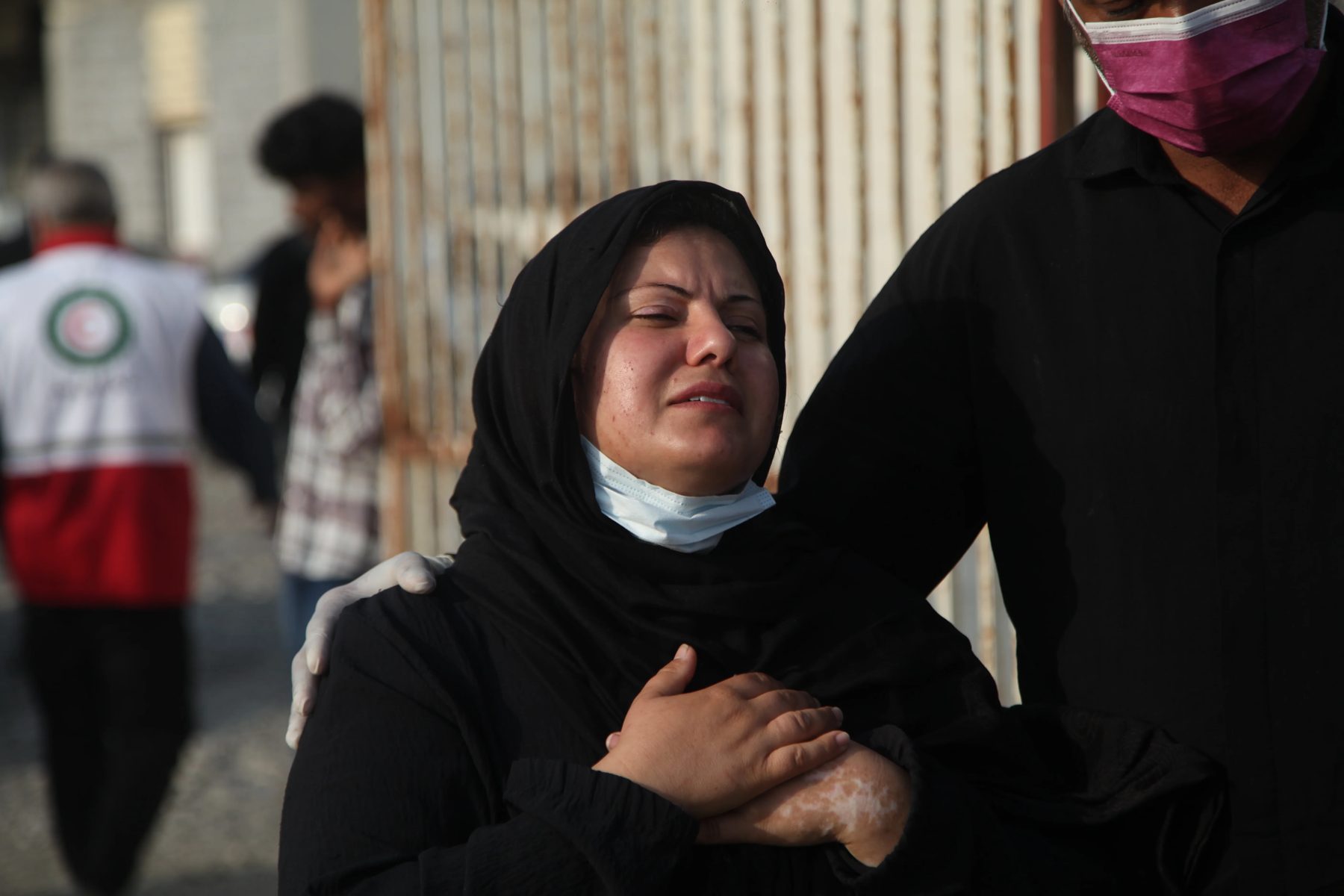
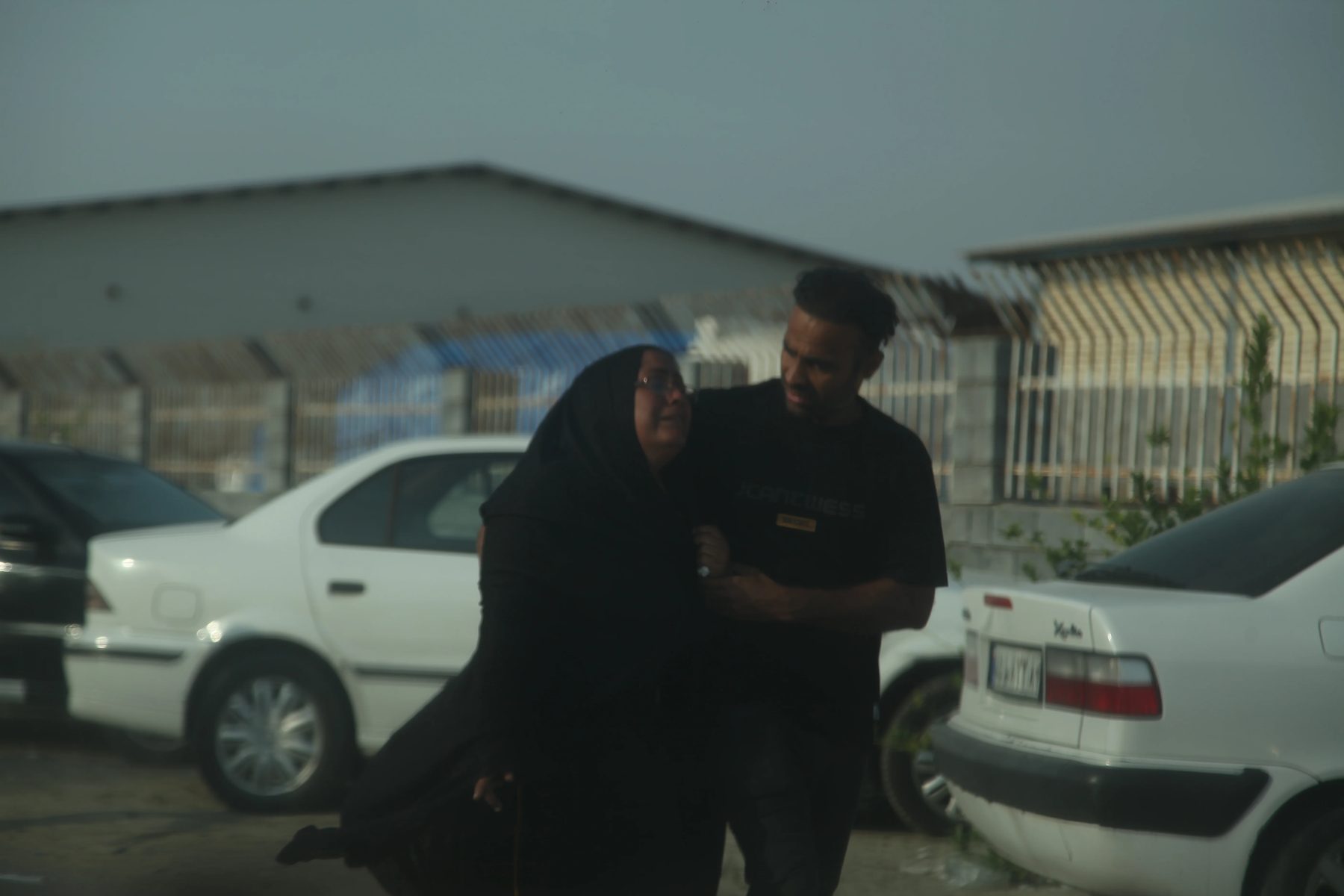
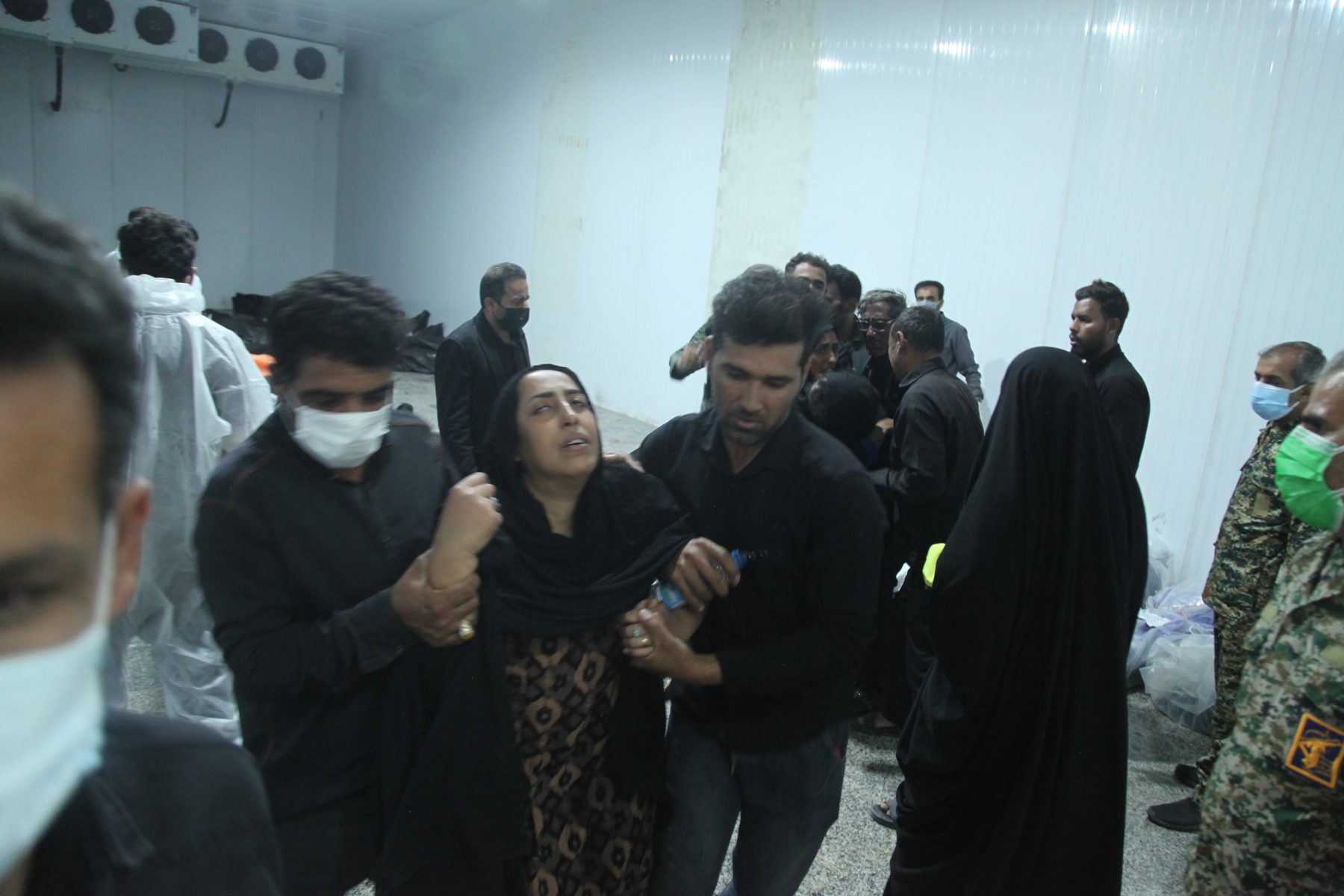
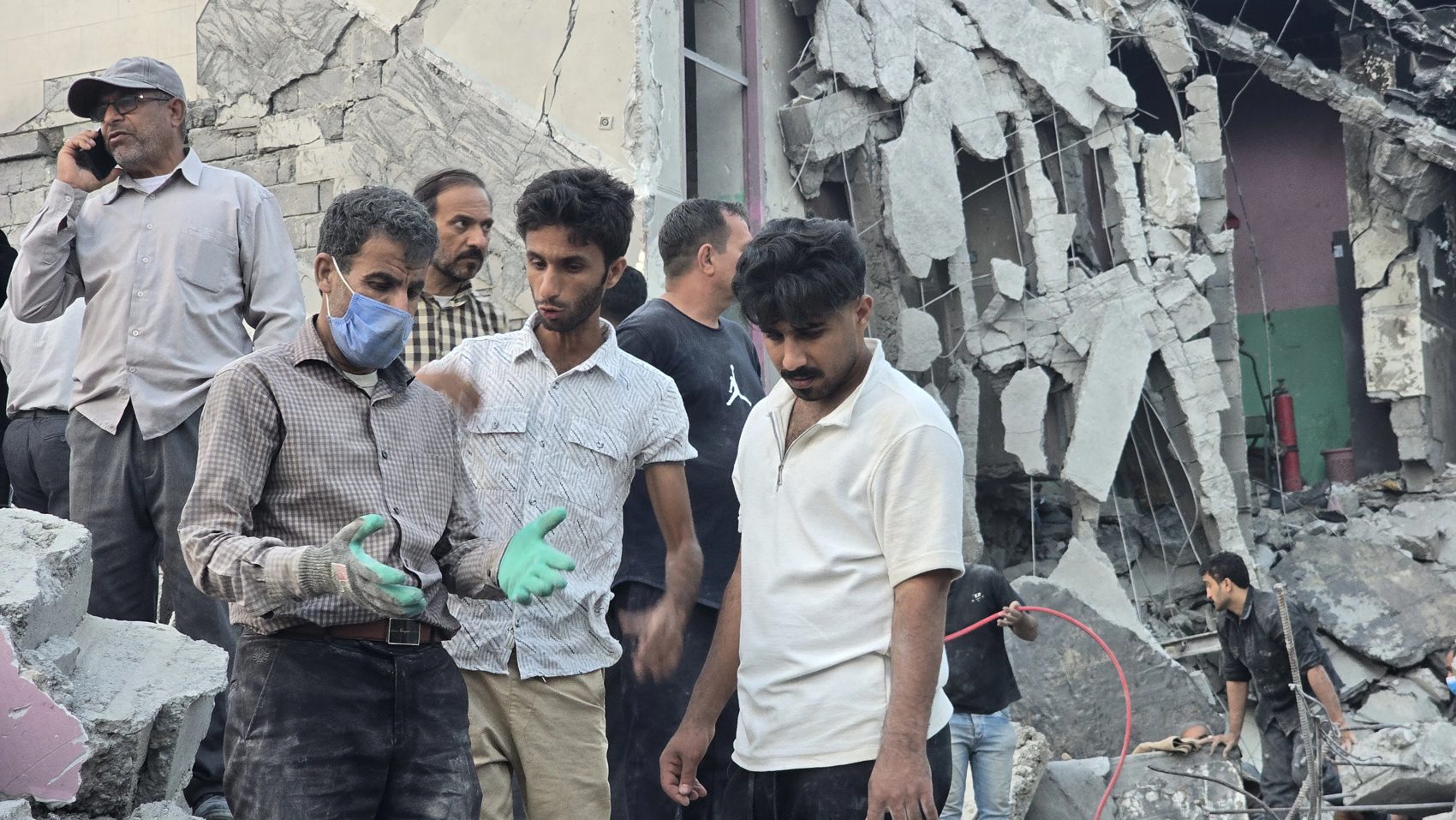
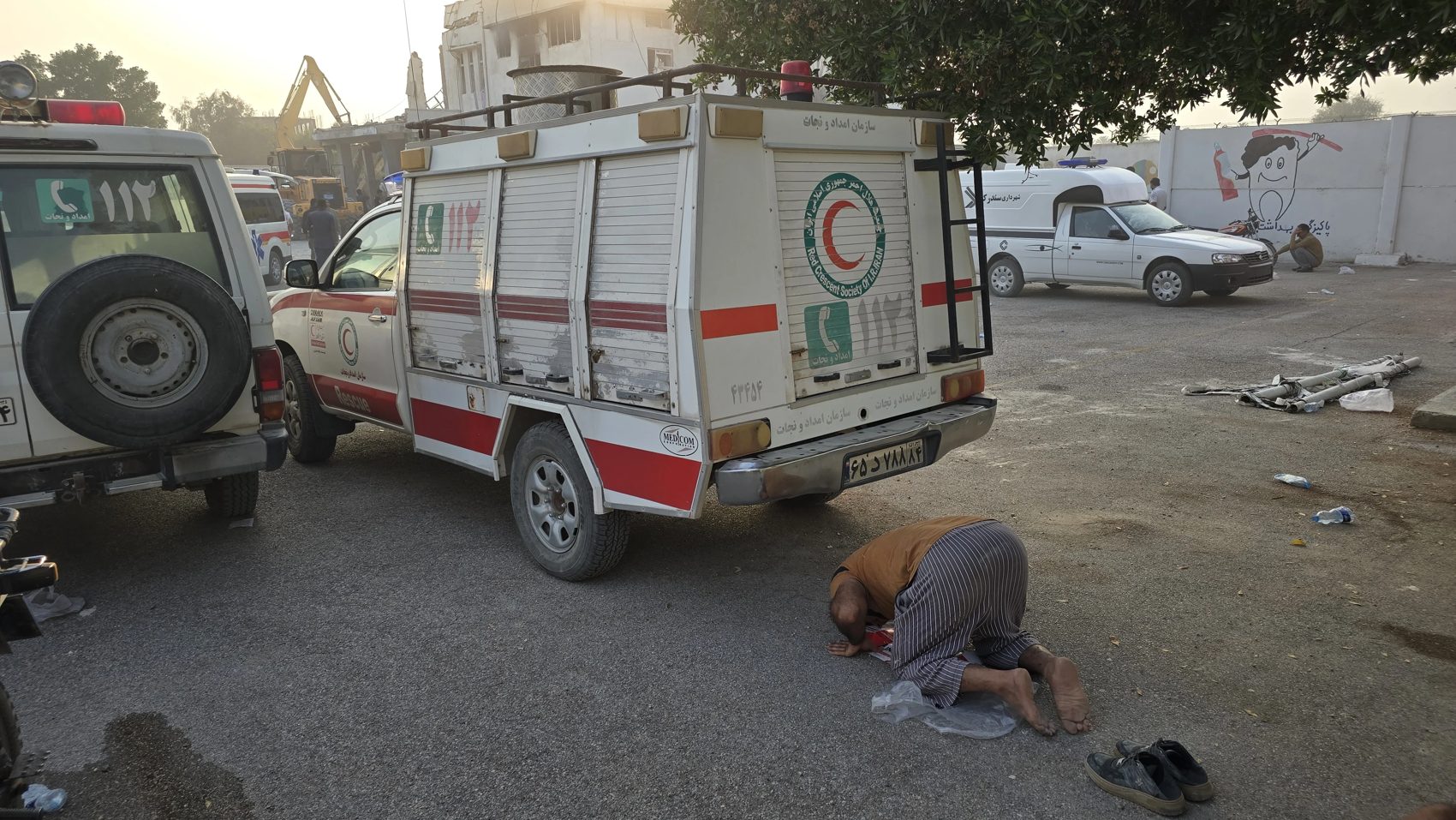
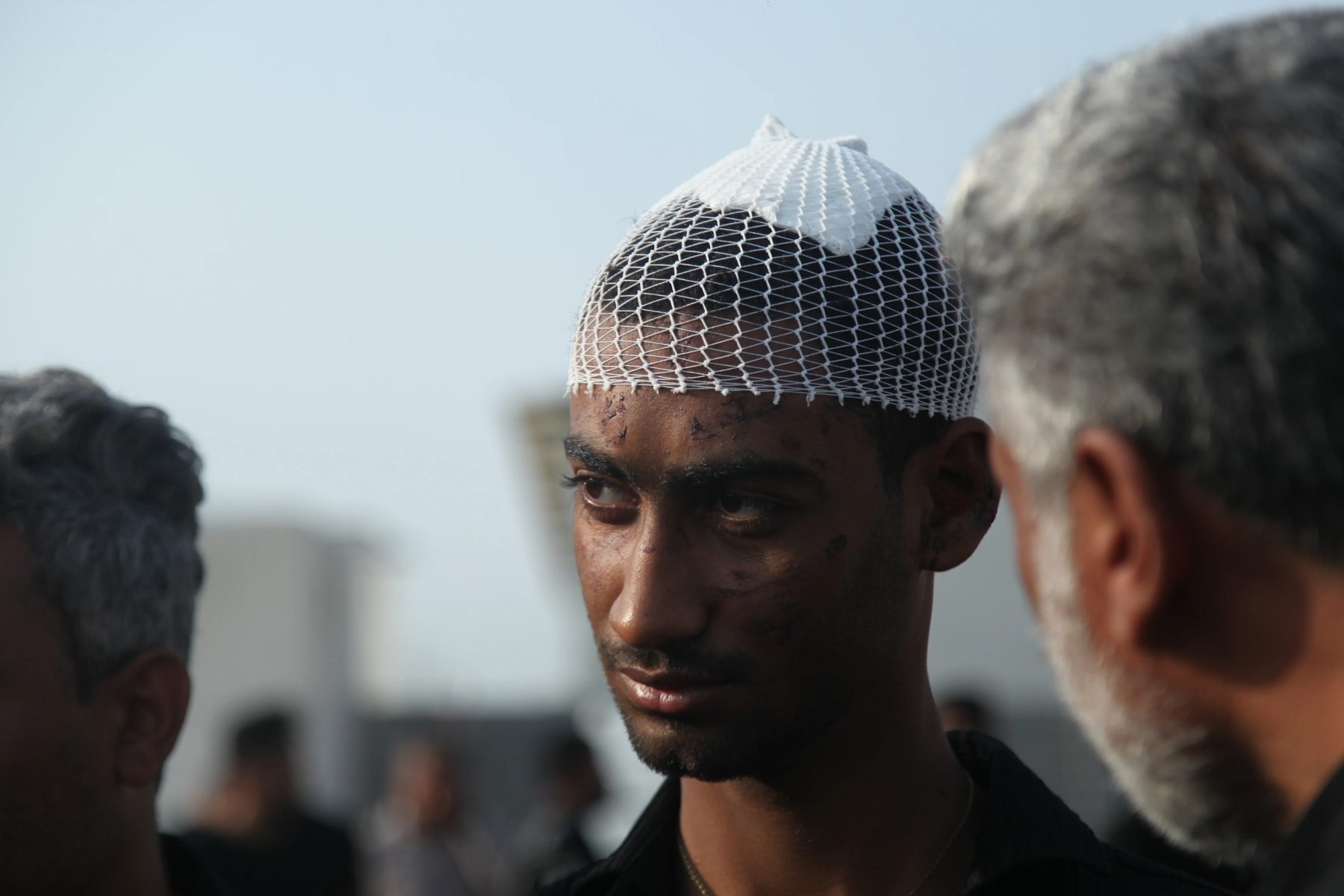
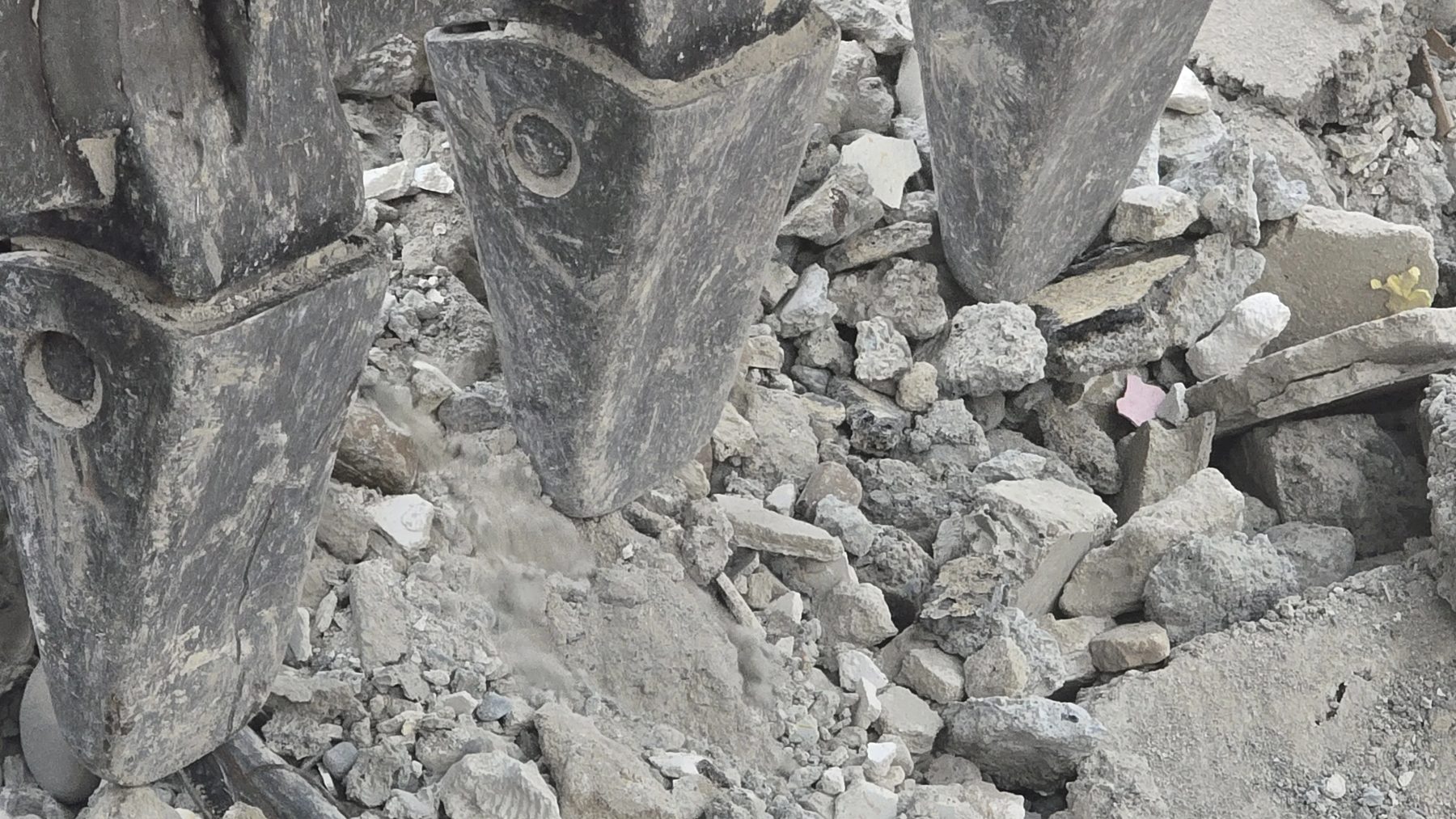
These are the classrooms of Shajareh Tayyebeh — the desks, the whiteboards, the painted walls that asked children to read. An hour earlier, they had been full of voices.
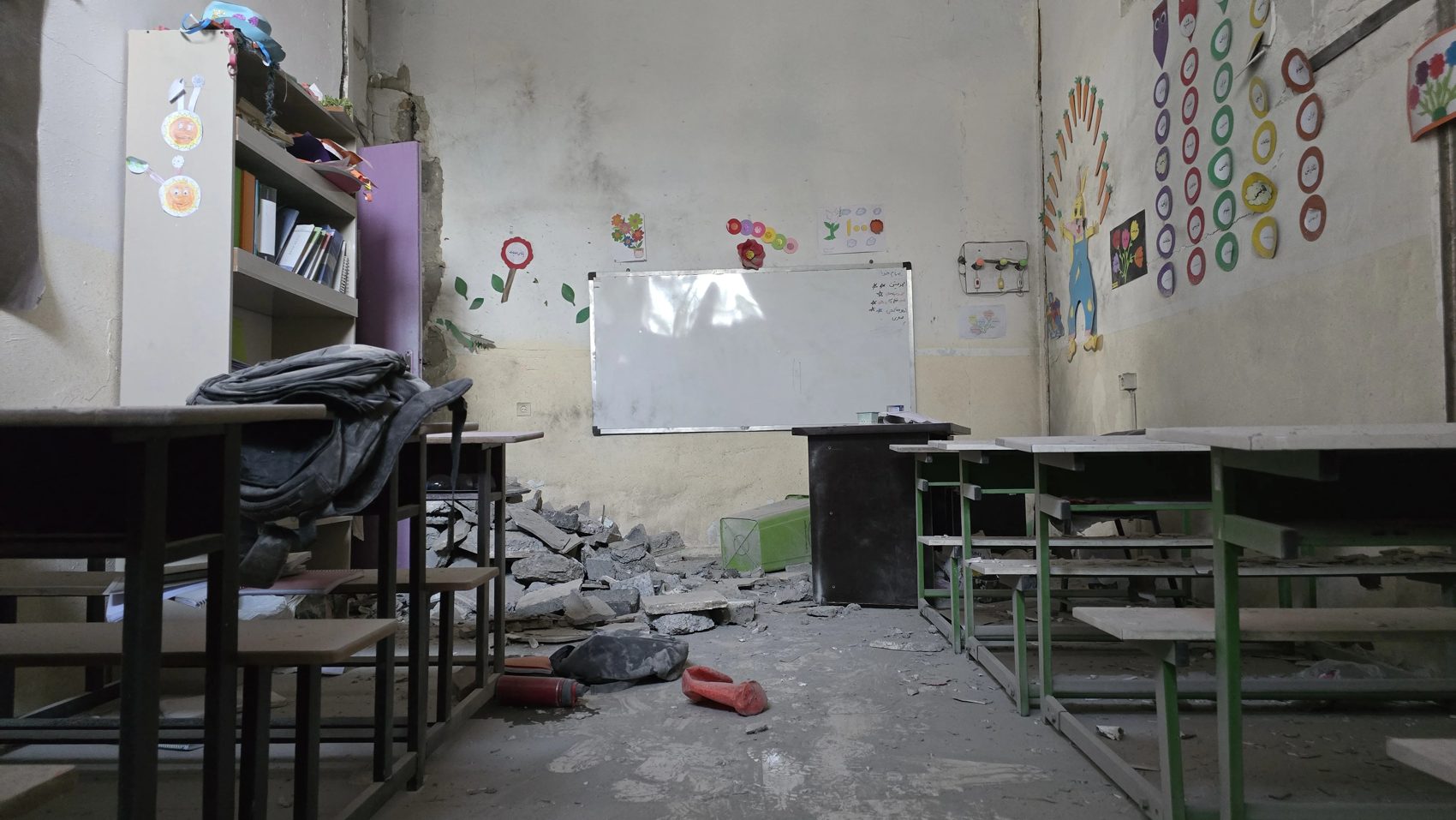
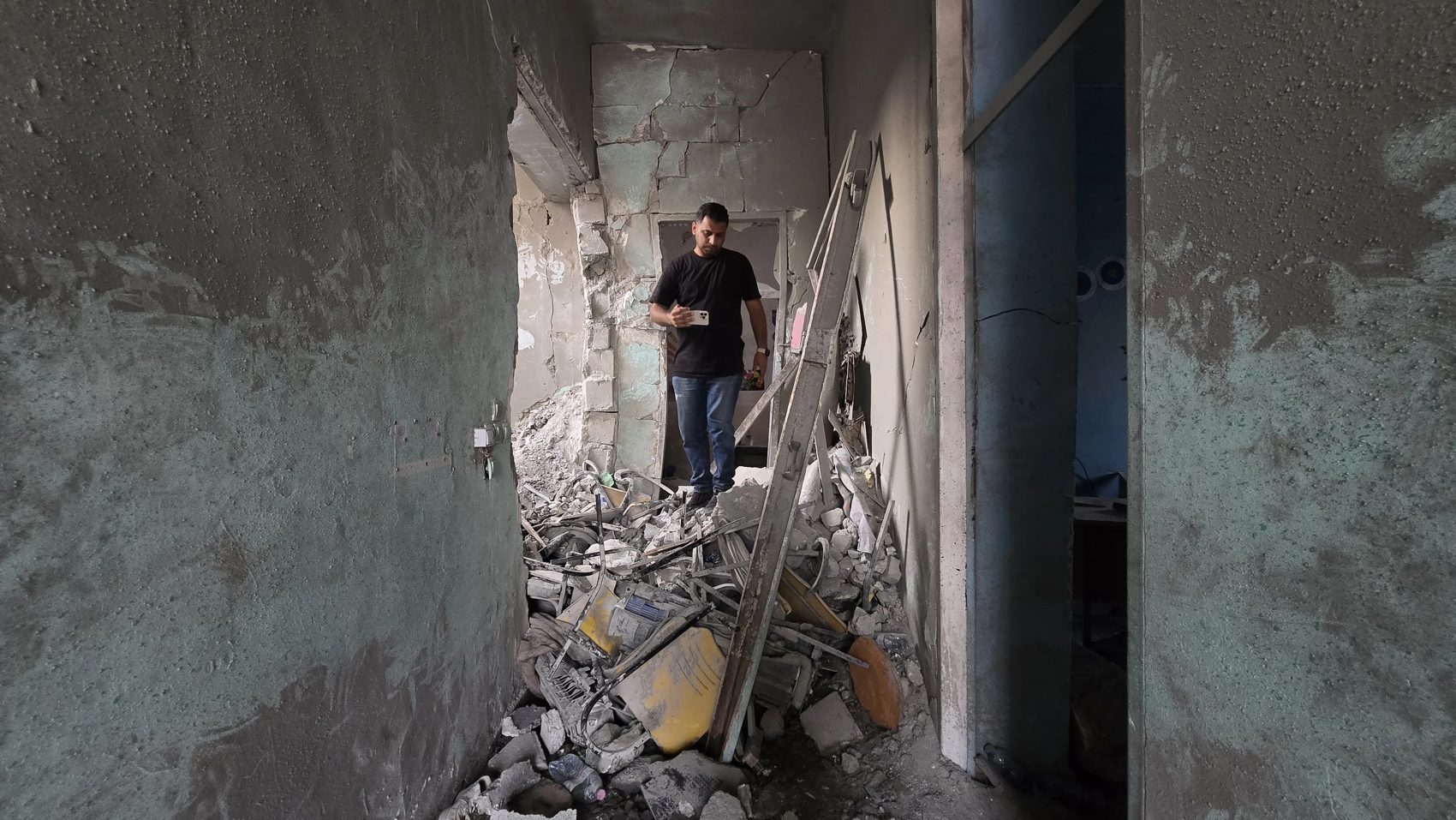
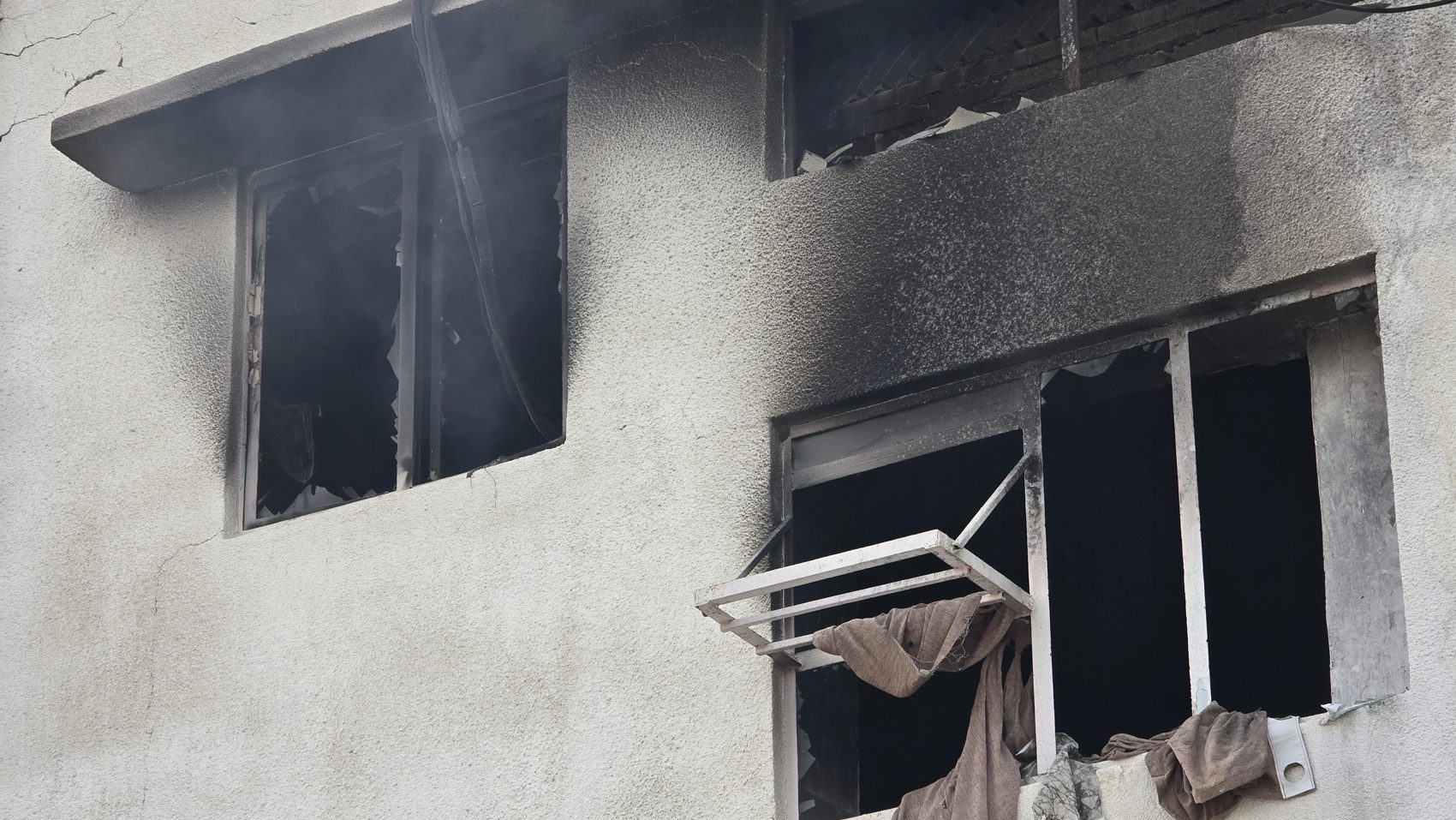
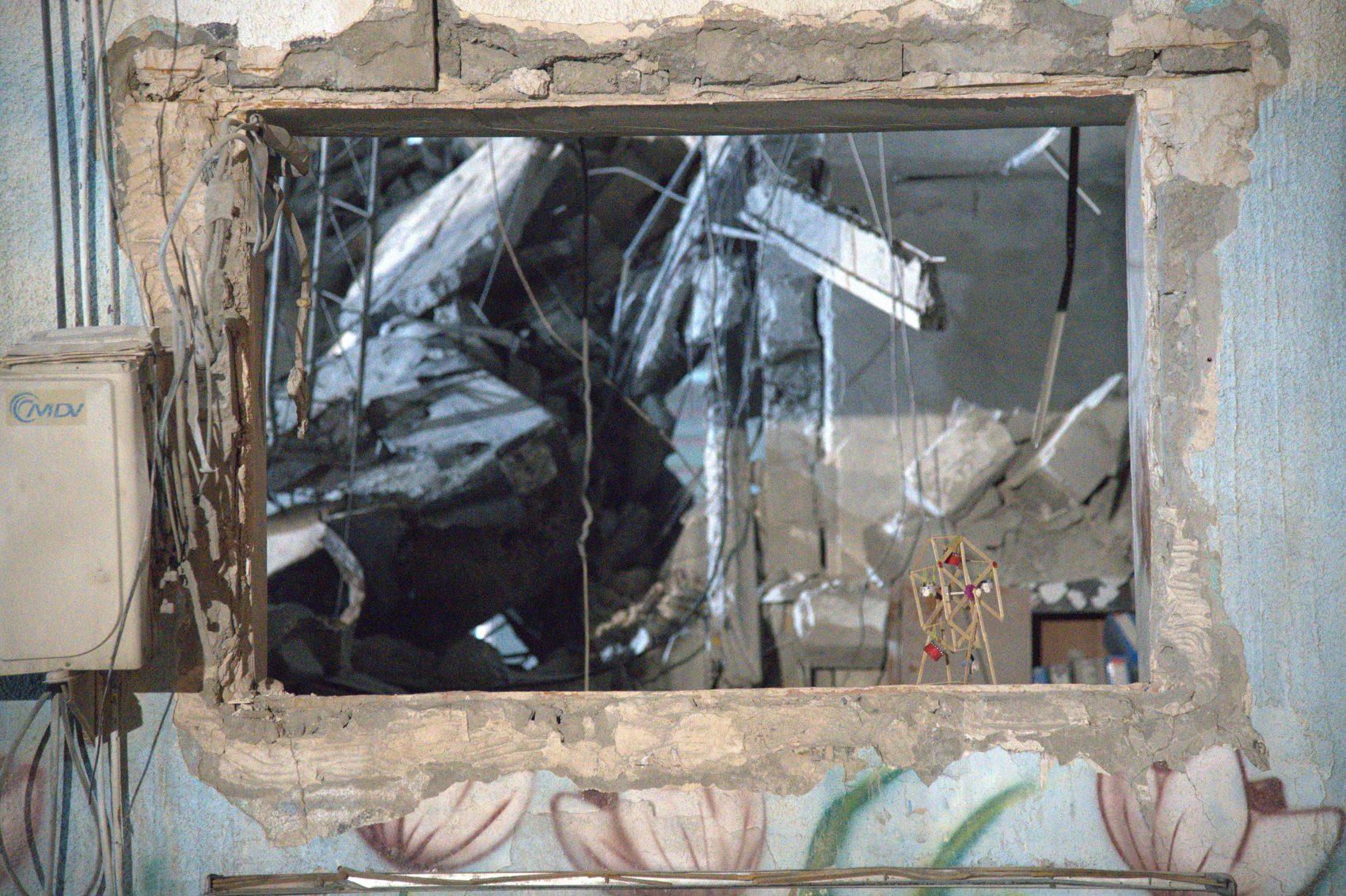
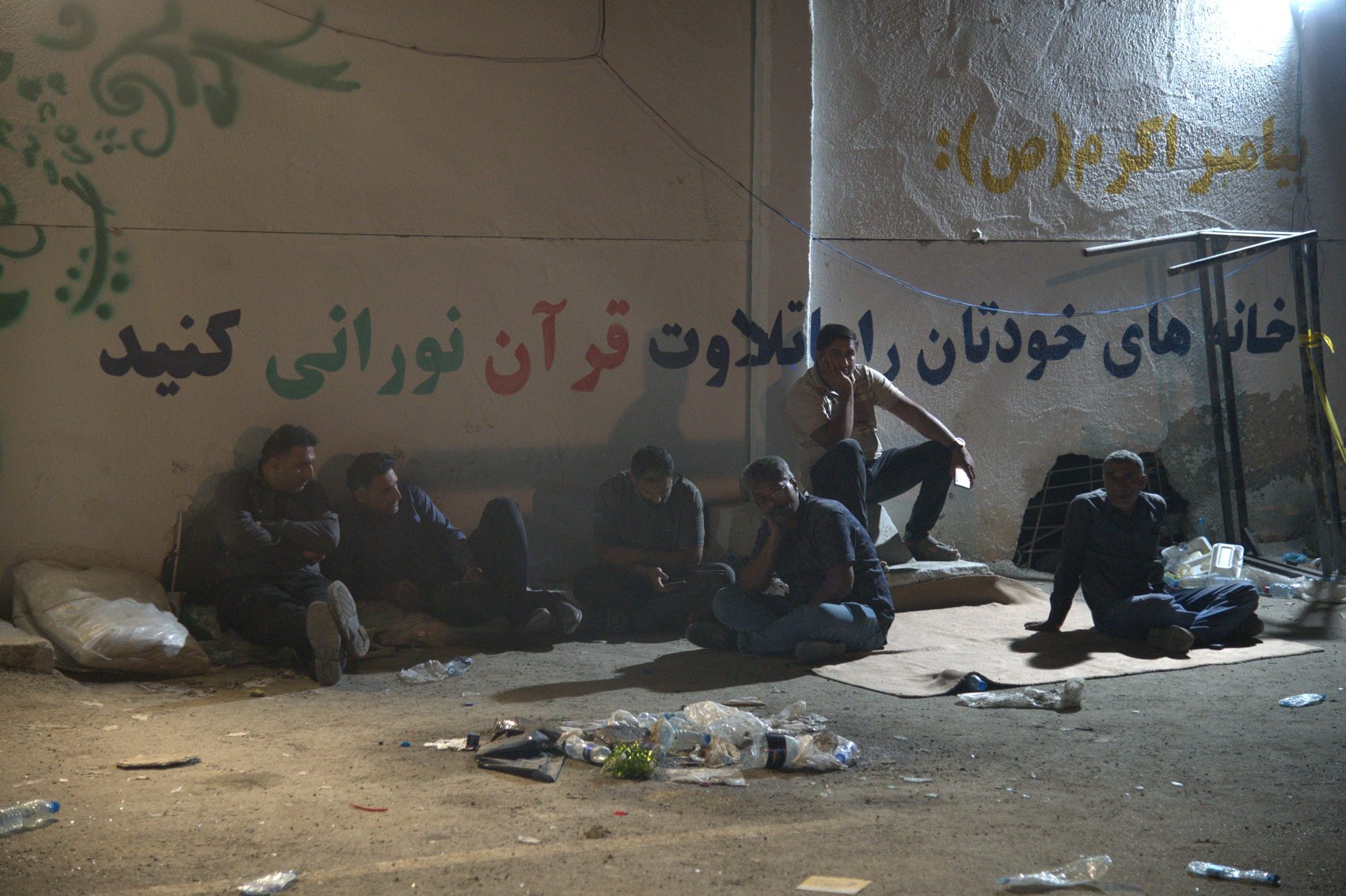
Hands that drew, that waved, that wrote their names. Every one belonged to a child with a whole life ahead.
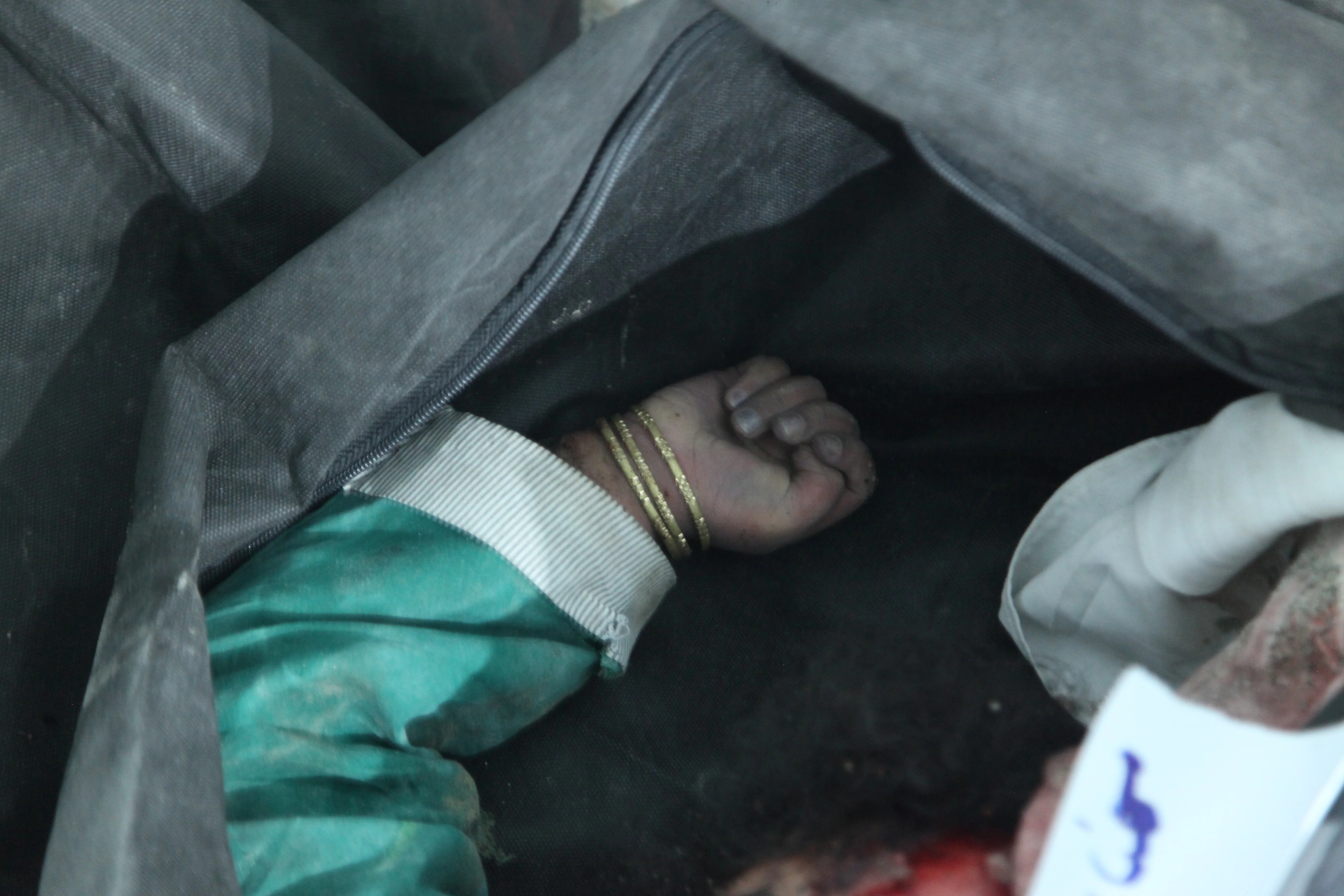
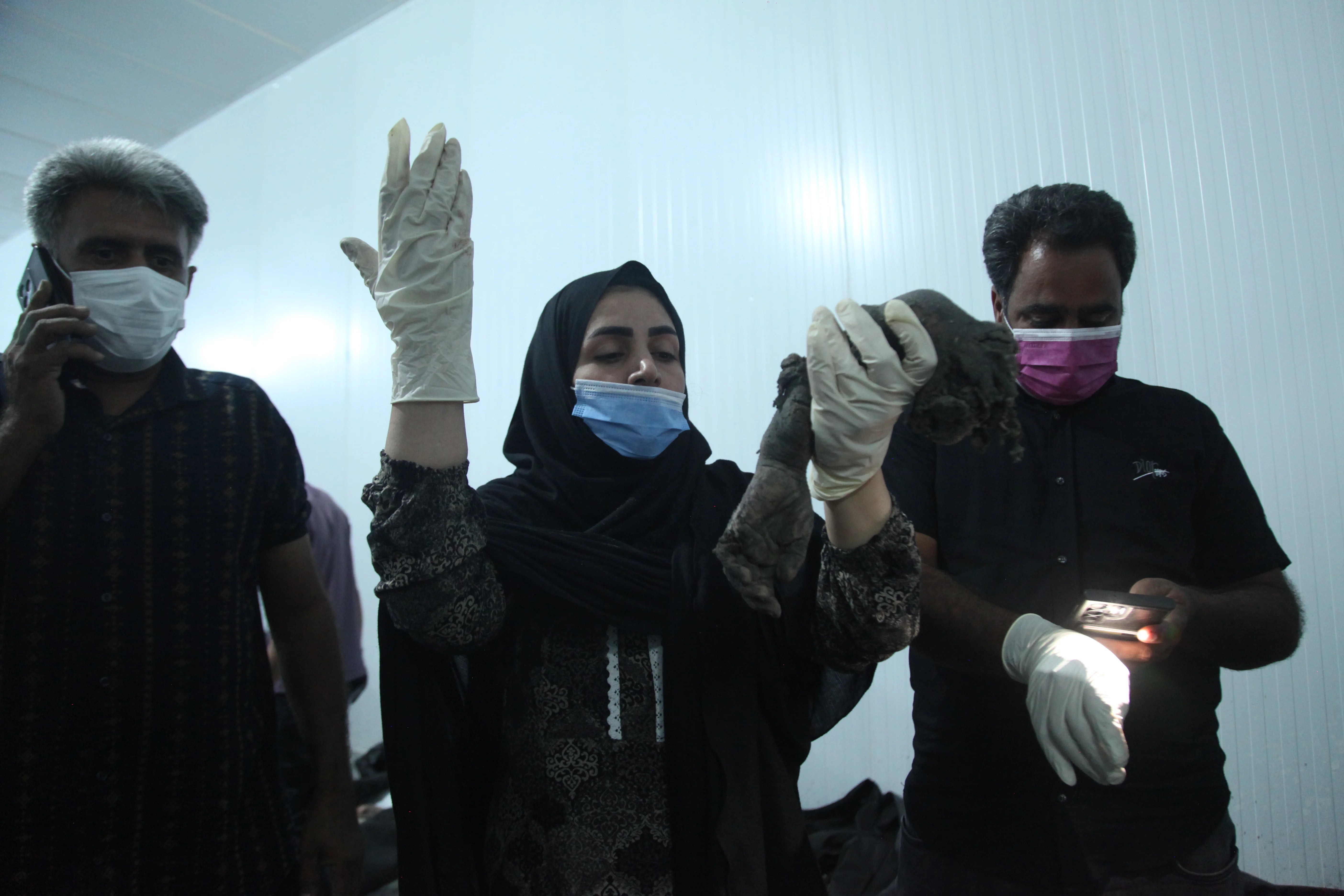
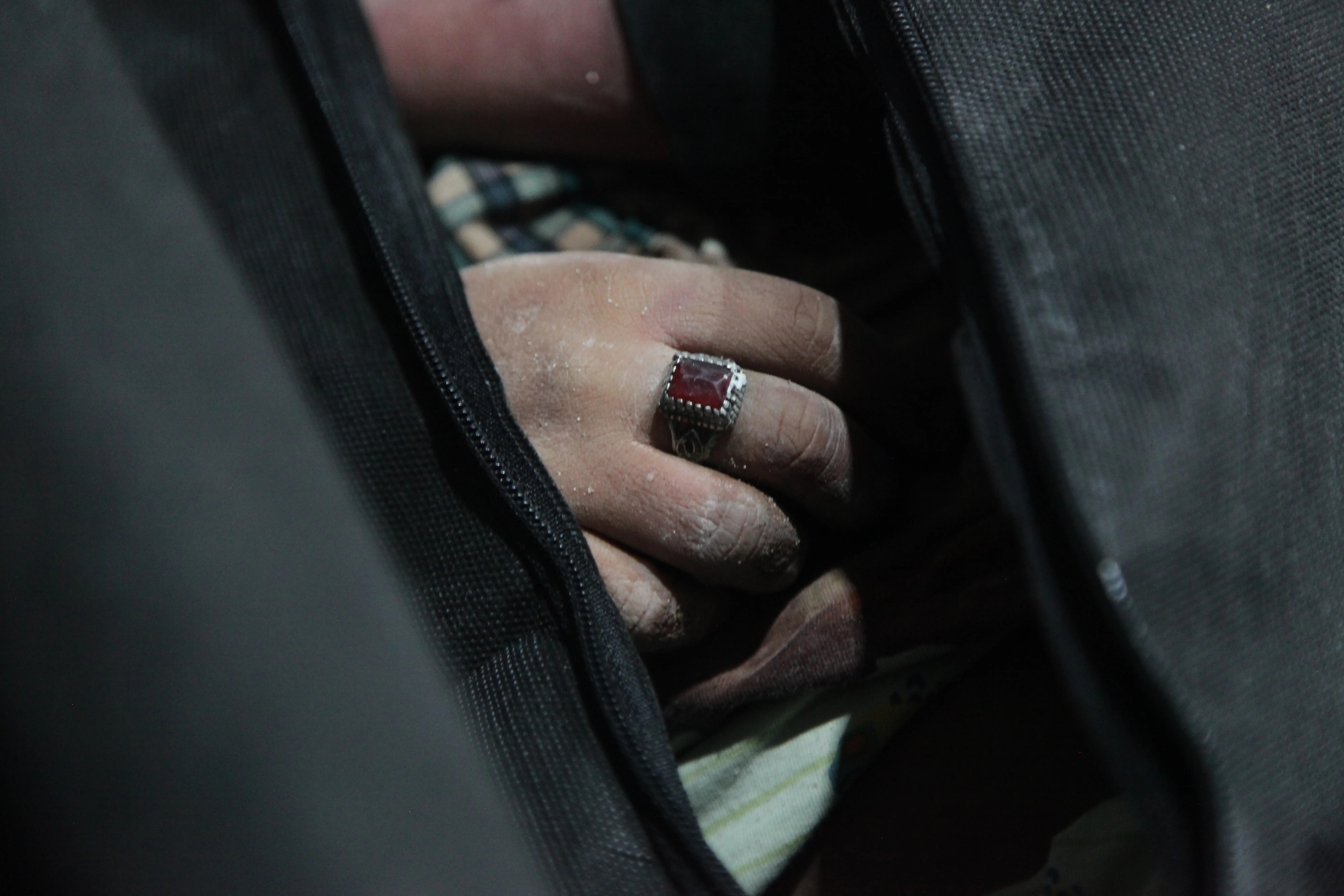
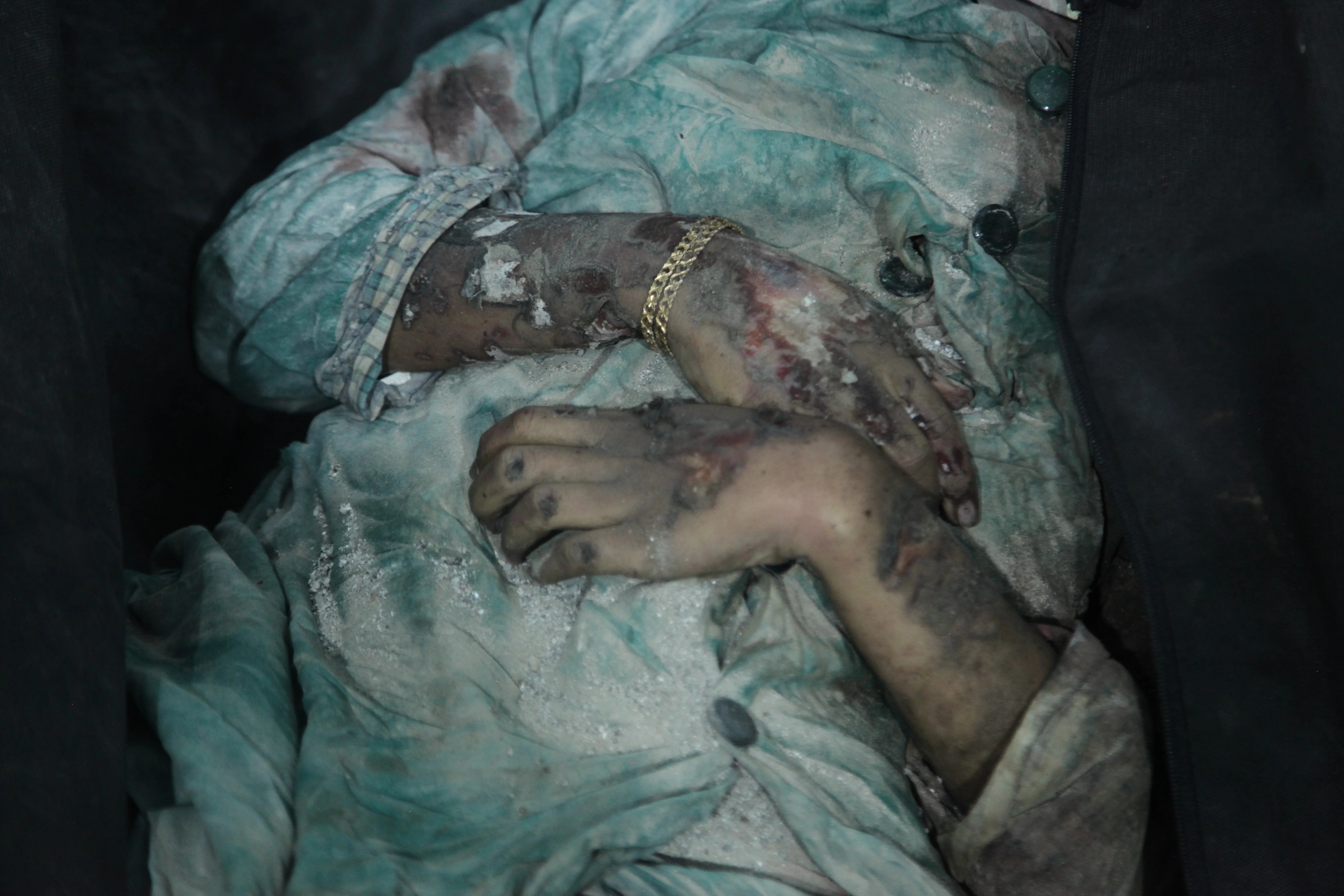
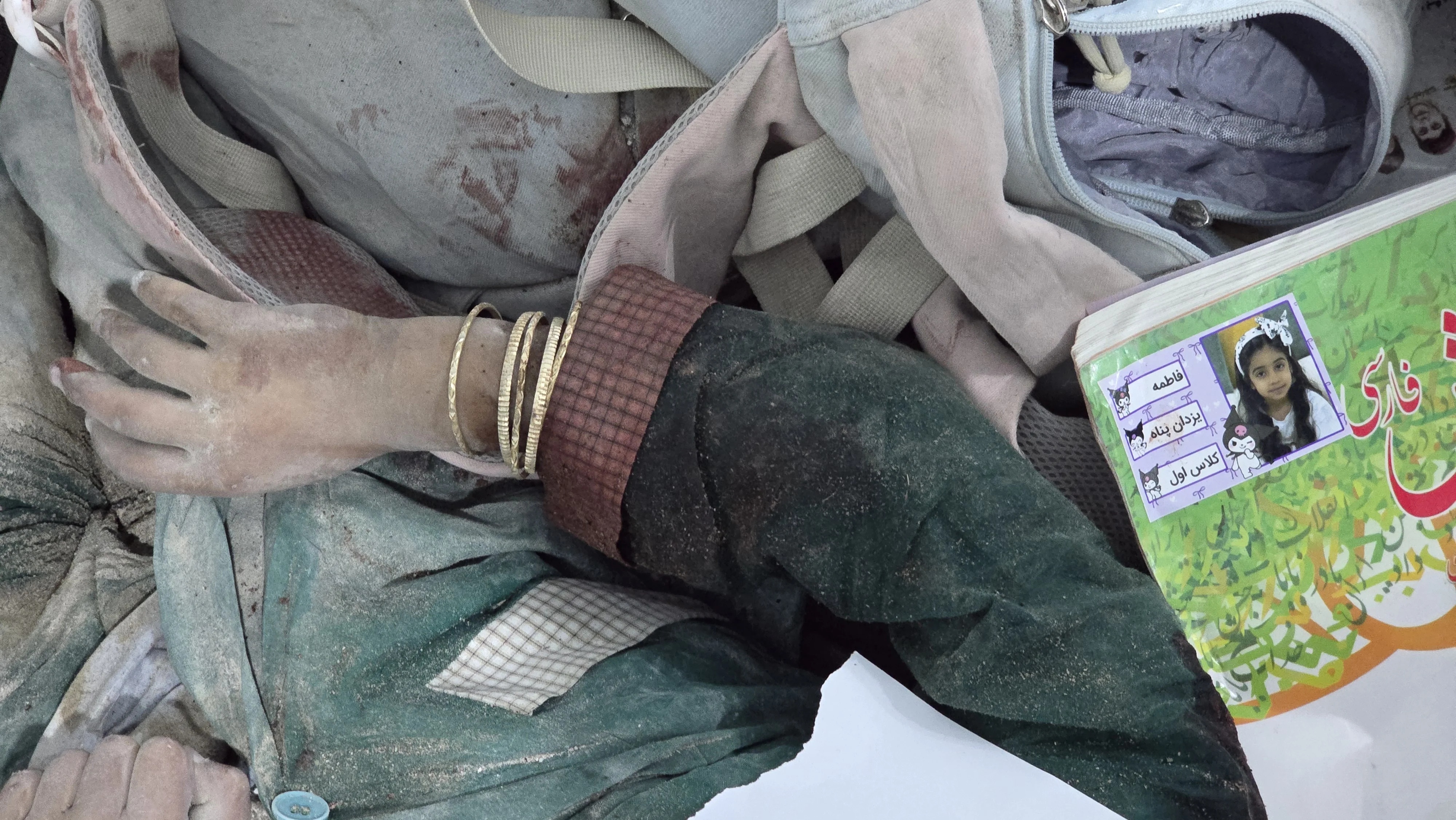
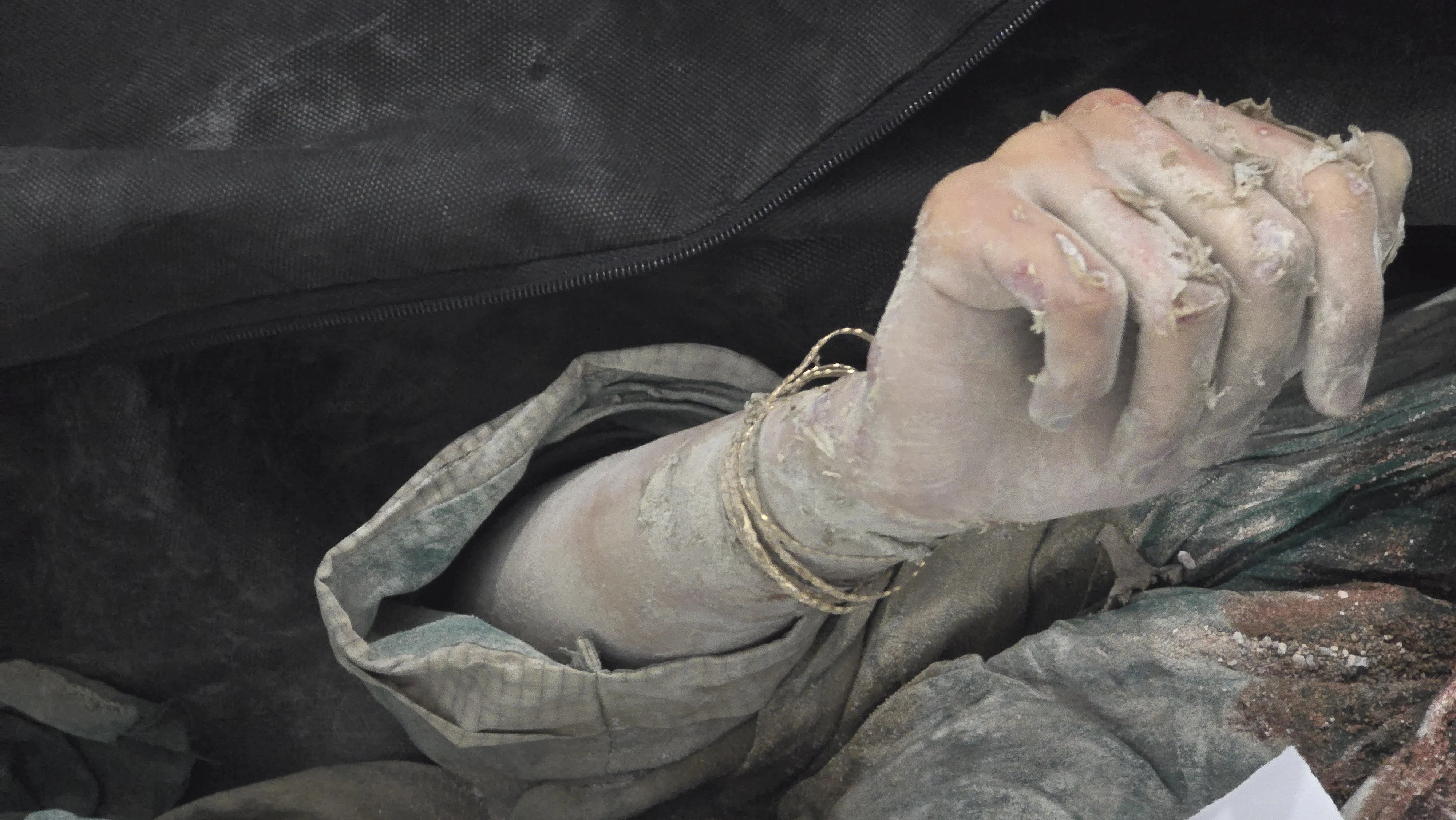
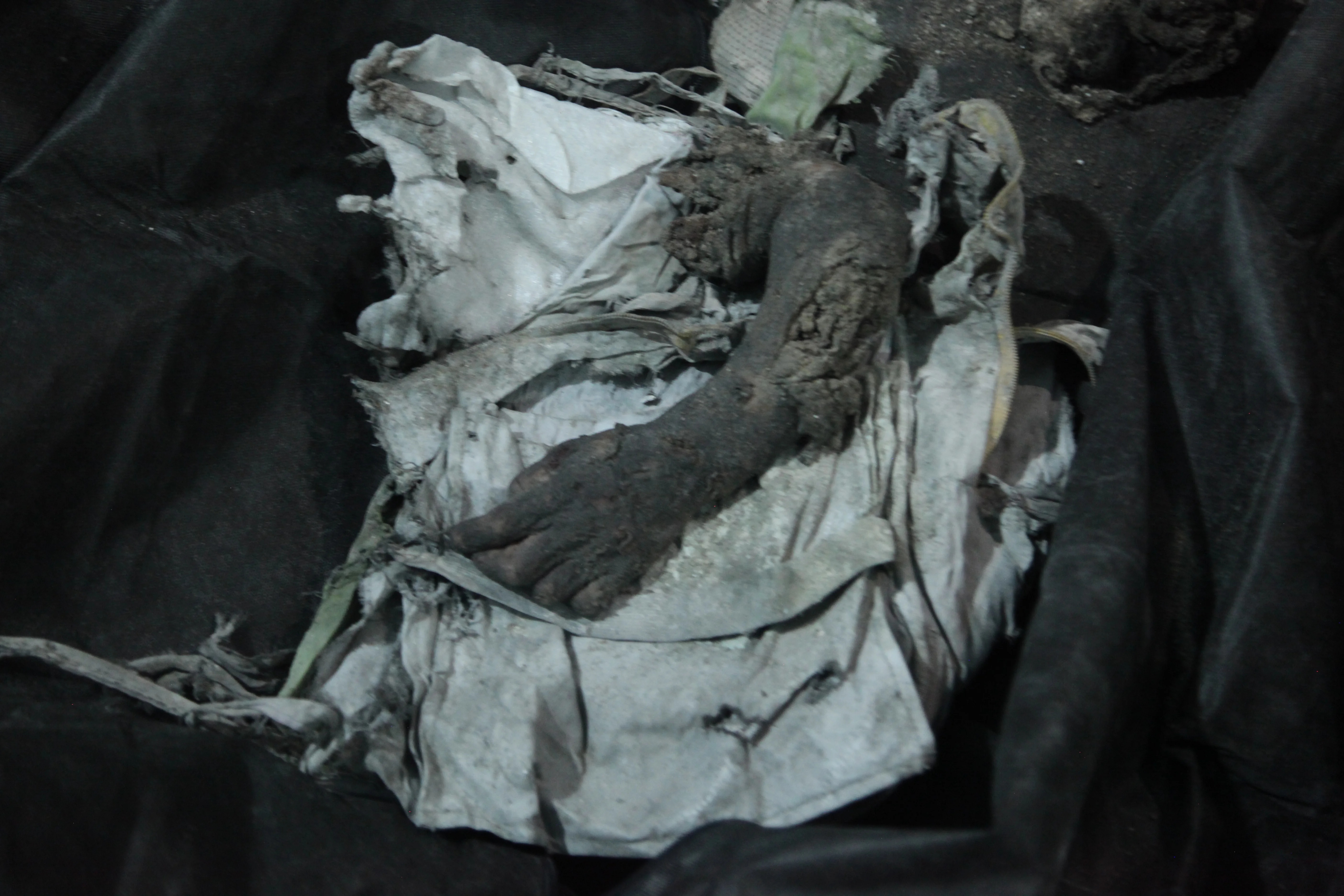
“In the morning they were placed in my care. I could not give them back.”
A surviving teacher of Shajareh TayyebehTen of the children in her own class were among those killed.
It was a Saturday. The first bell was the Quran lesson.
A message came that a relative had died, and she stepped out — meaning to return before the lesson ended.
A colleague called and insisted she rest that day, and taught her class in her place.
That is why she was not in the room at 11:22.
“In the morning they were placed in my care. I could not give them back.”
Ten of the children in her own class were among those killed. She returned to the school to help carry them out.
Her class now has twenty-two pupils. The others are gone.
Samaneh Kamali, fourth-grade teacherOne of ten staff who survived, of thirty-six.
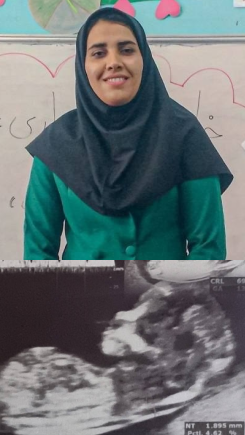
Zohreh was a teacher at the school. She was pregnant when the missile struck — carrying a child who would never be born.
When the building came down, it took them both: the teacher who had come to her classroom that morning, and the child she was waiting to meet.
Two names the world never got to learn together.

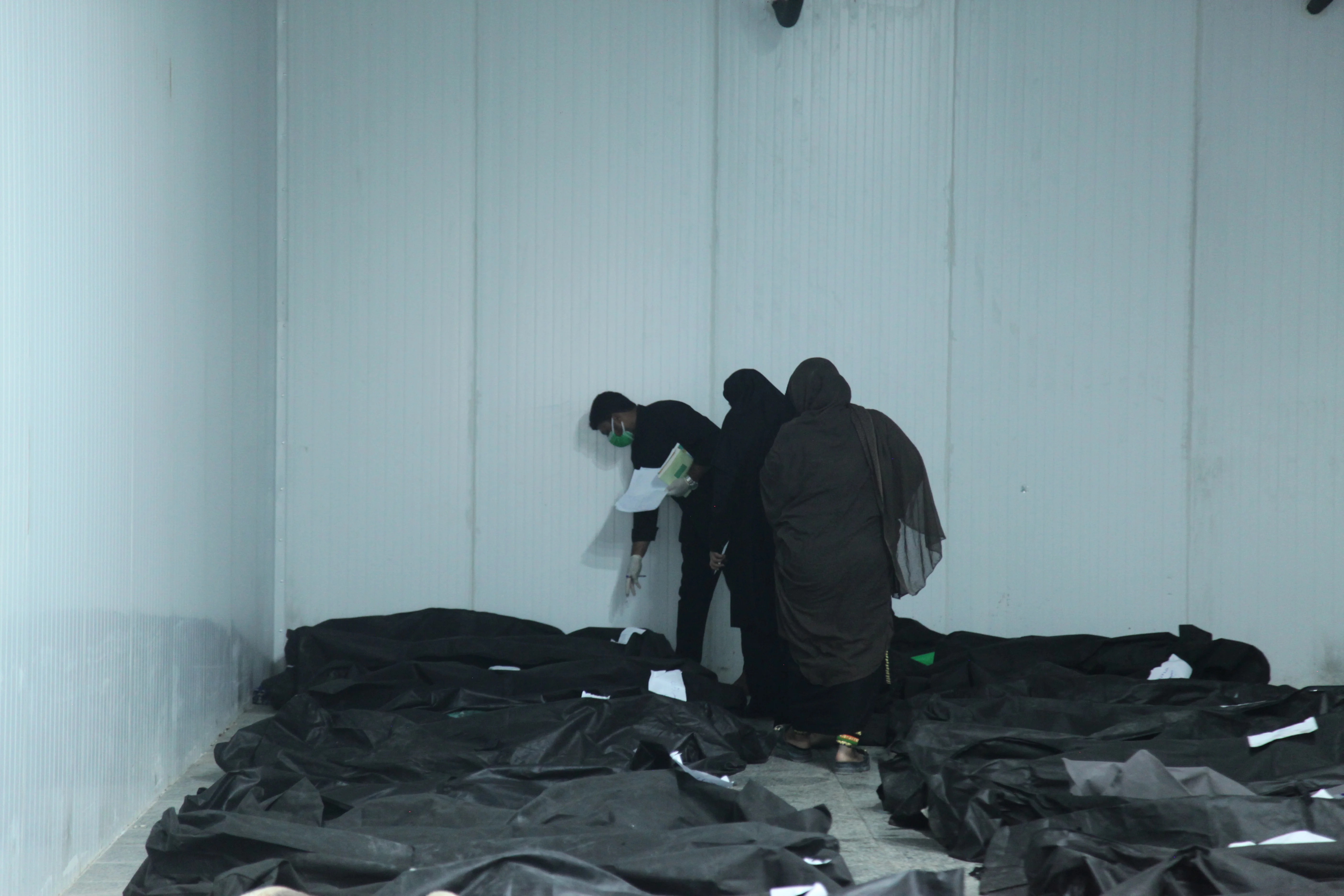
By nightfall, the town was digging rows of graves — more than it had ever dug in a single day.
Sons and daughters, classmates and friends. None is remembered only as a number.
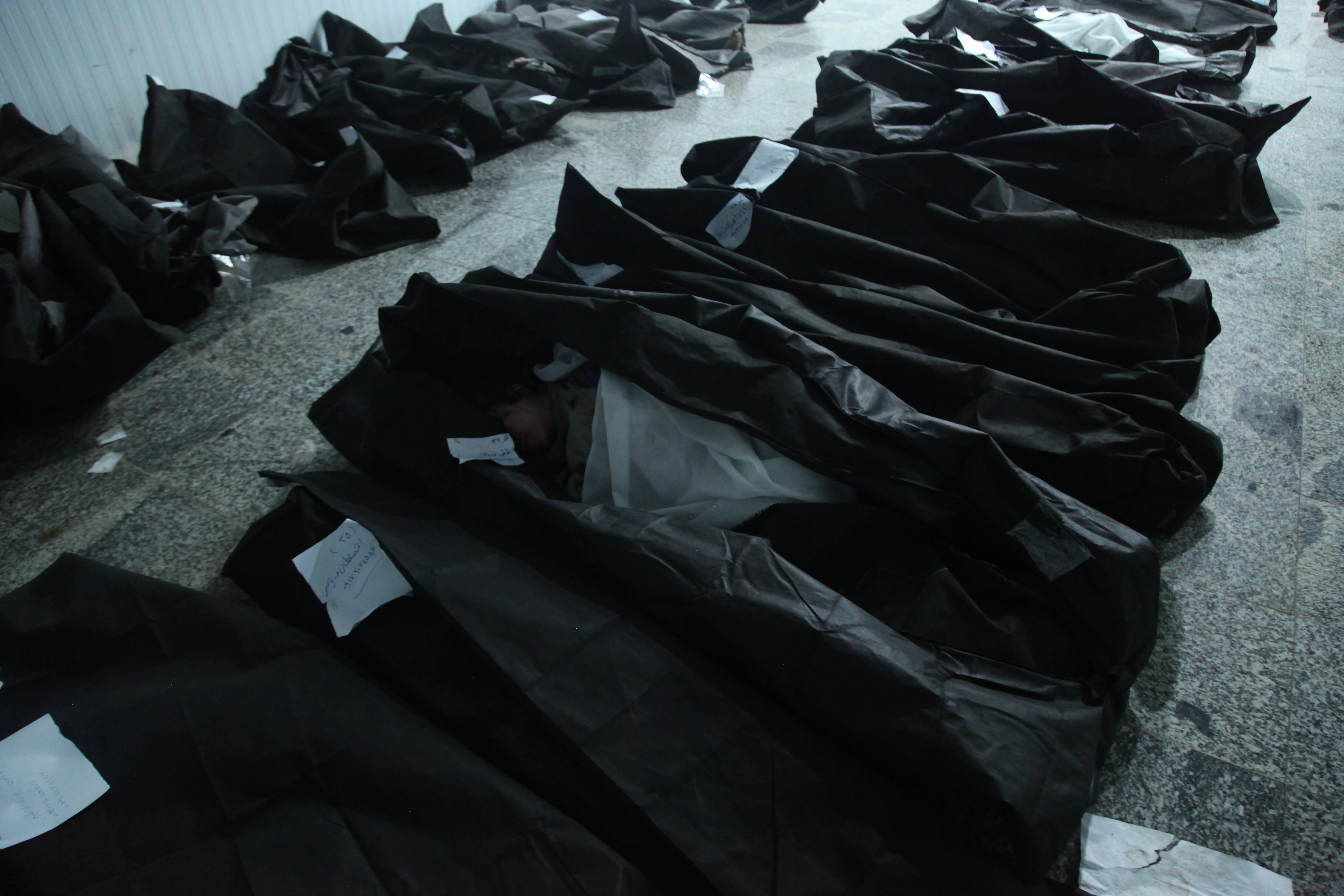
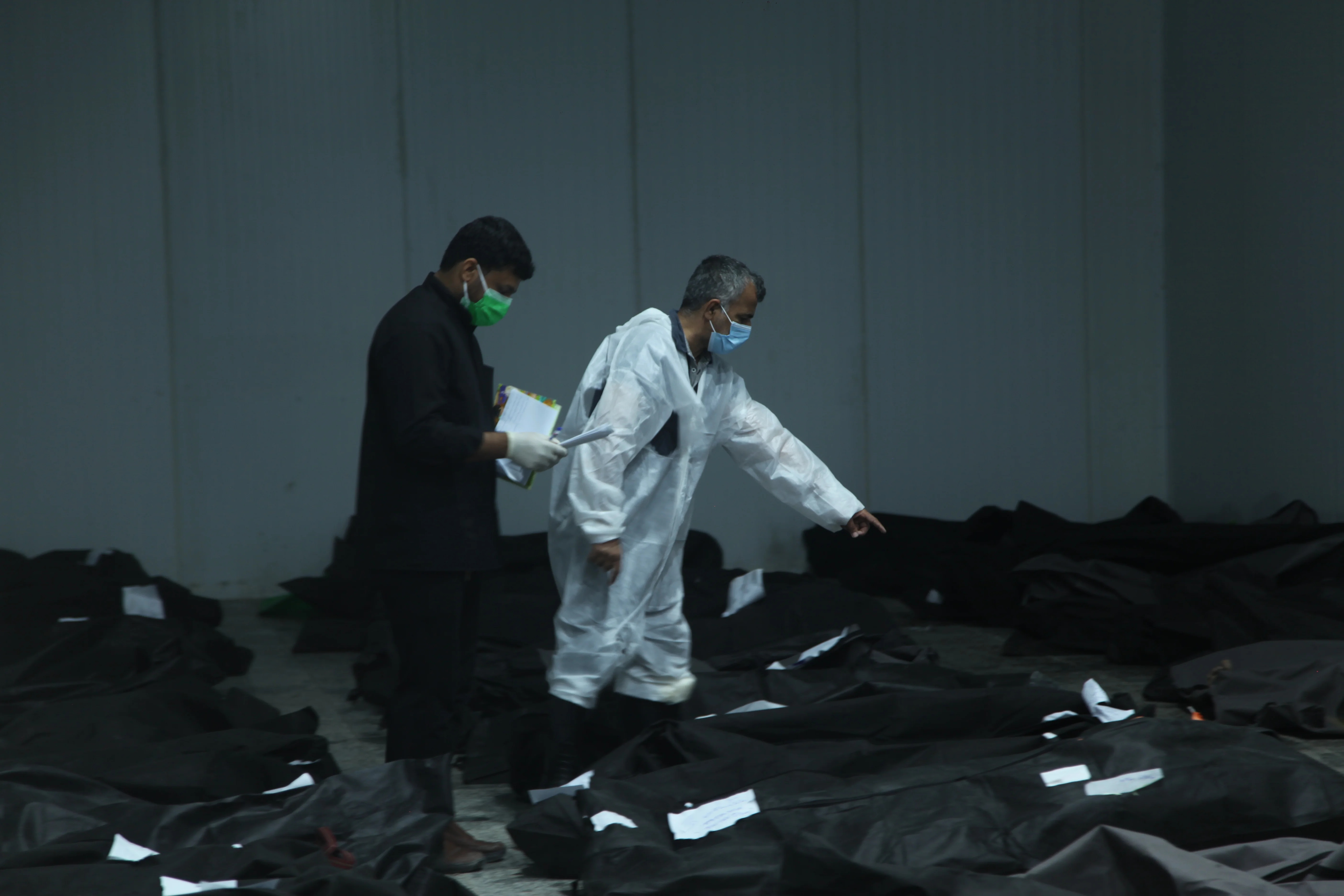
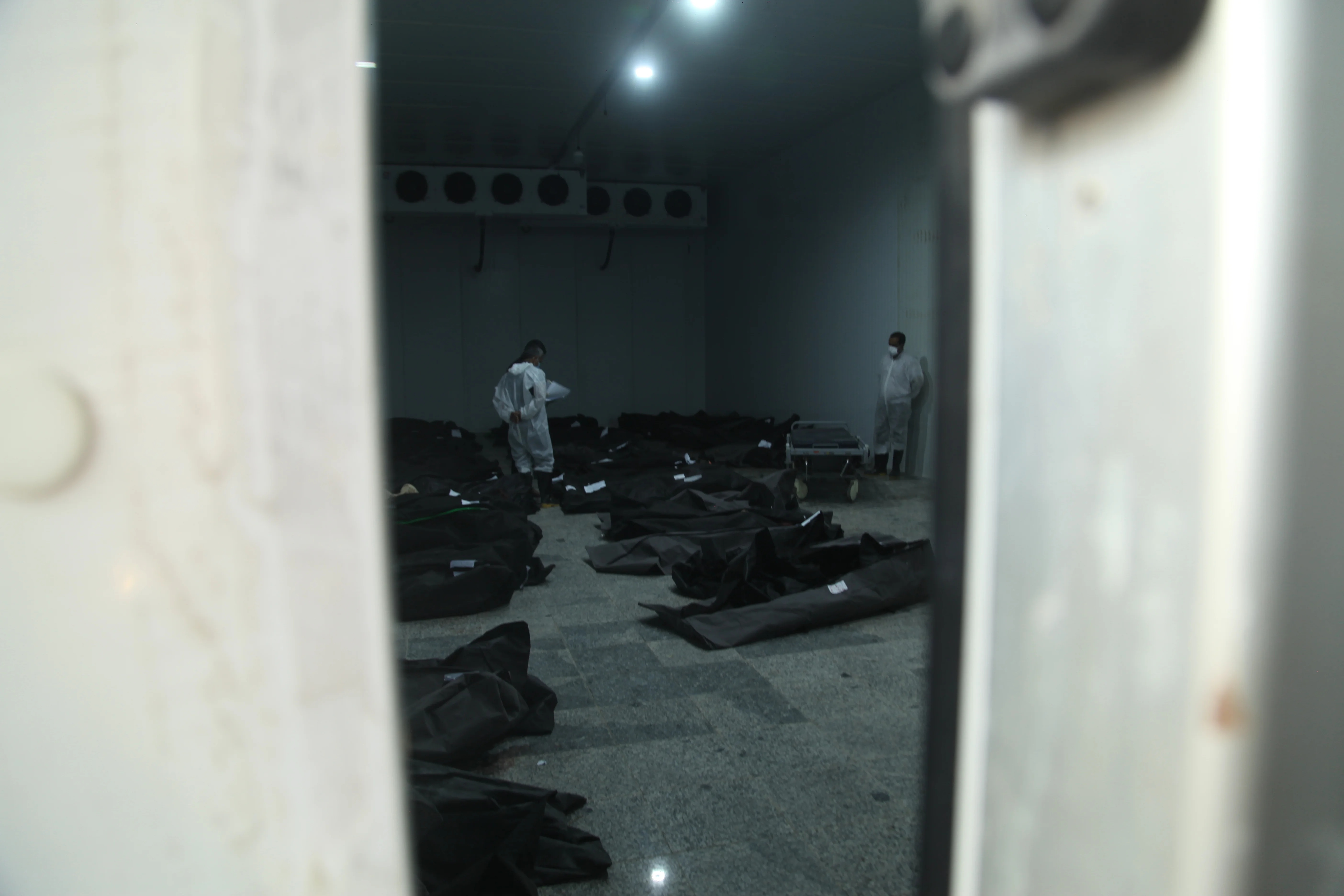
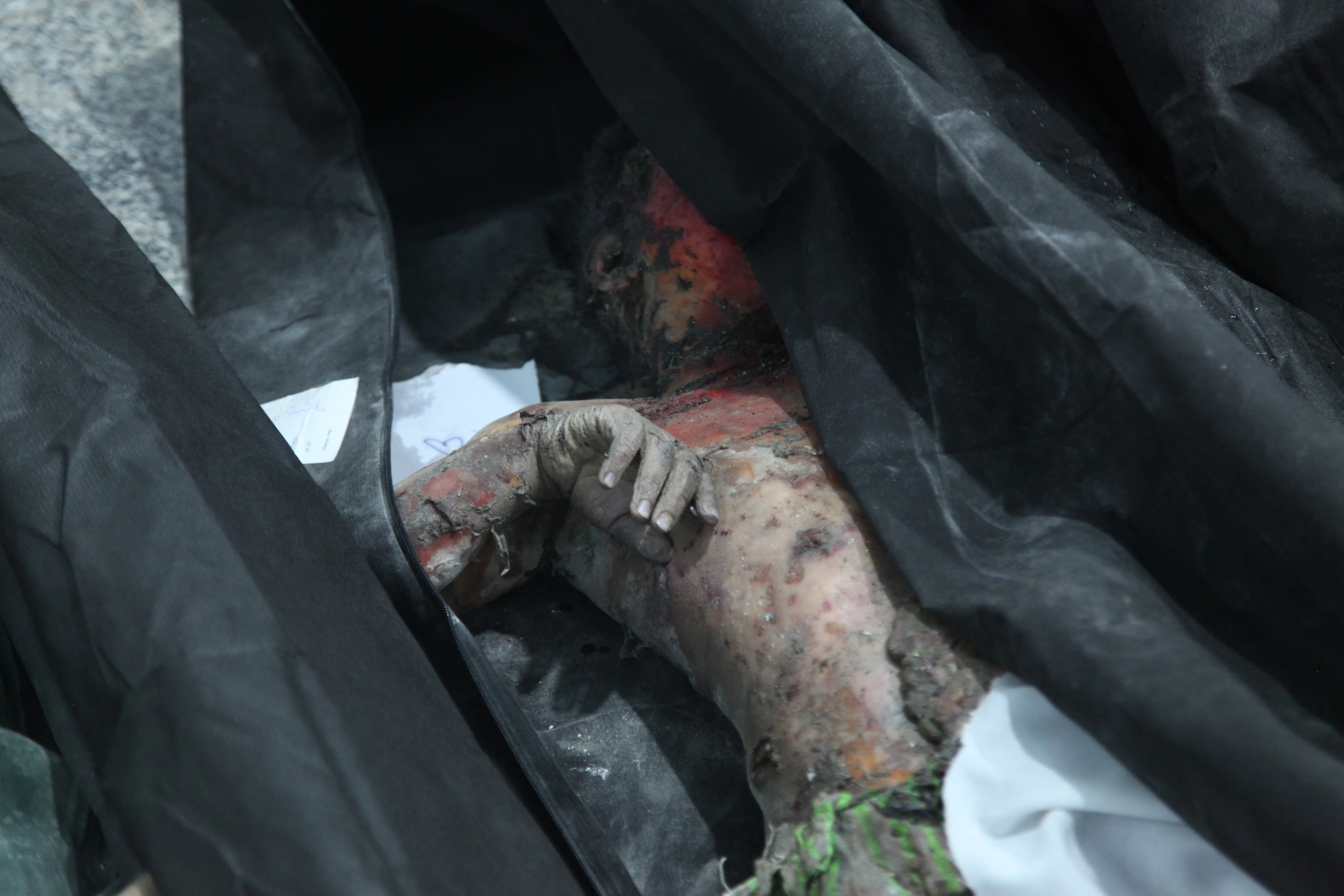
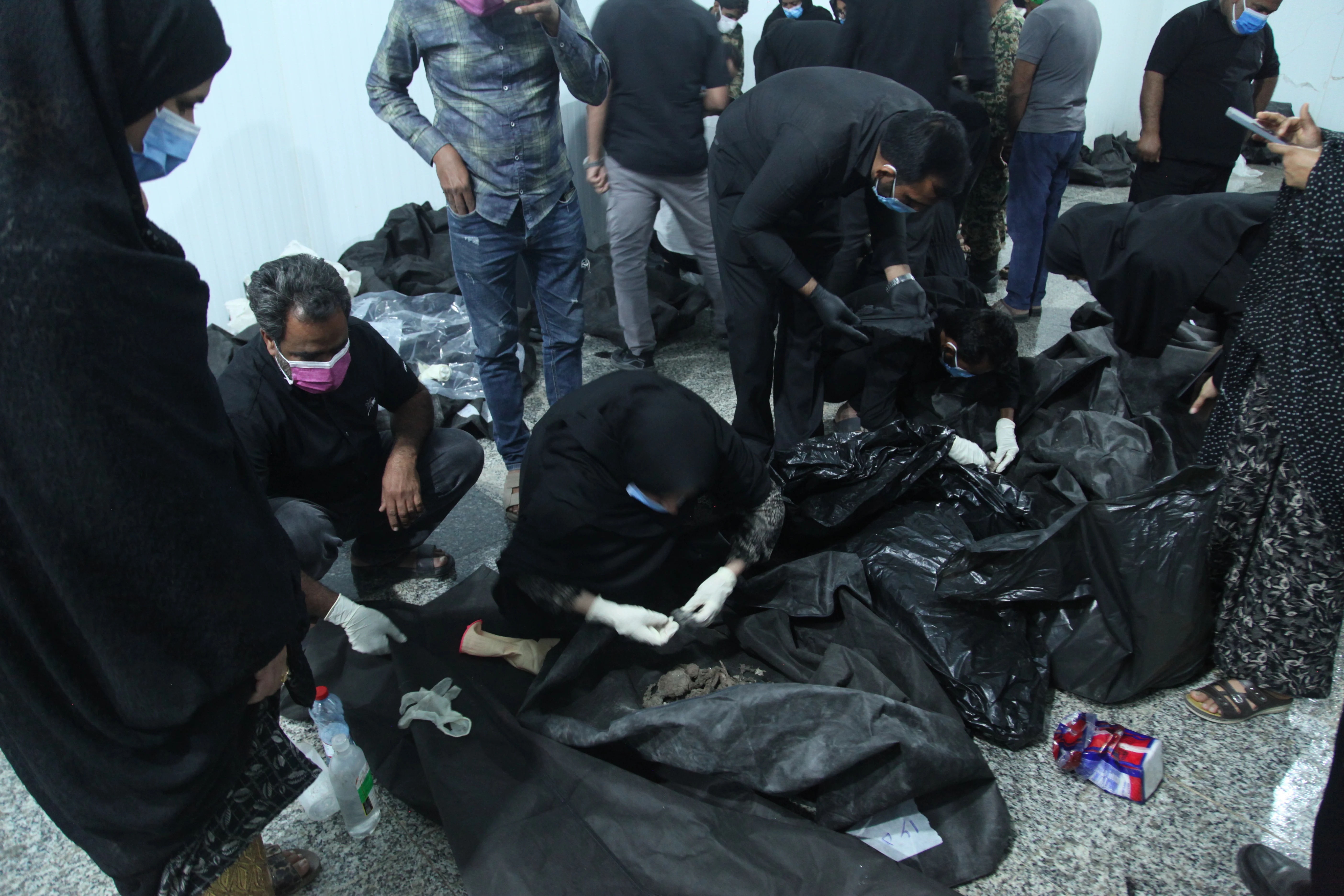
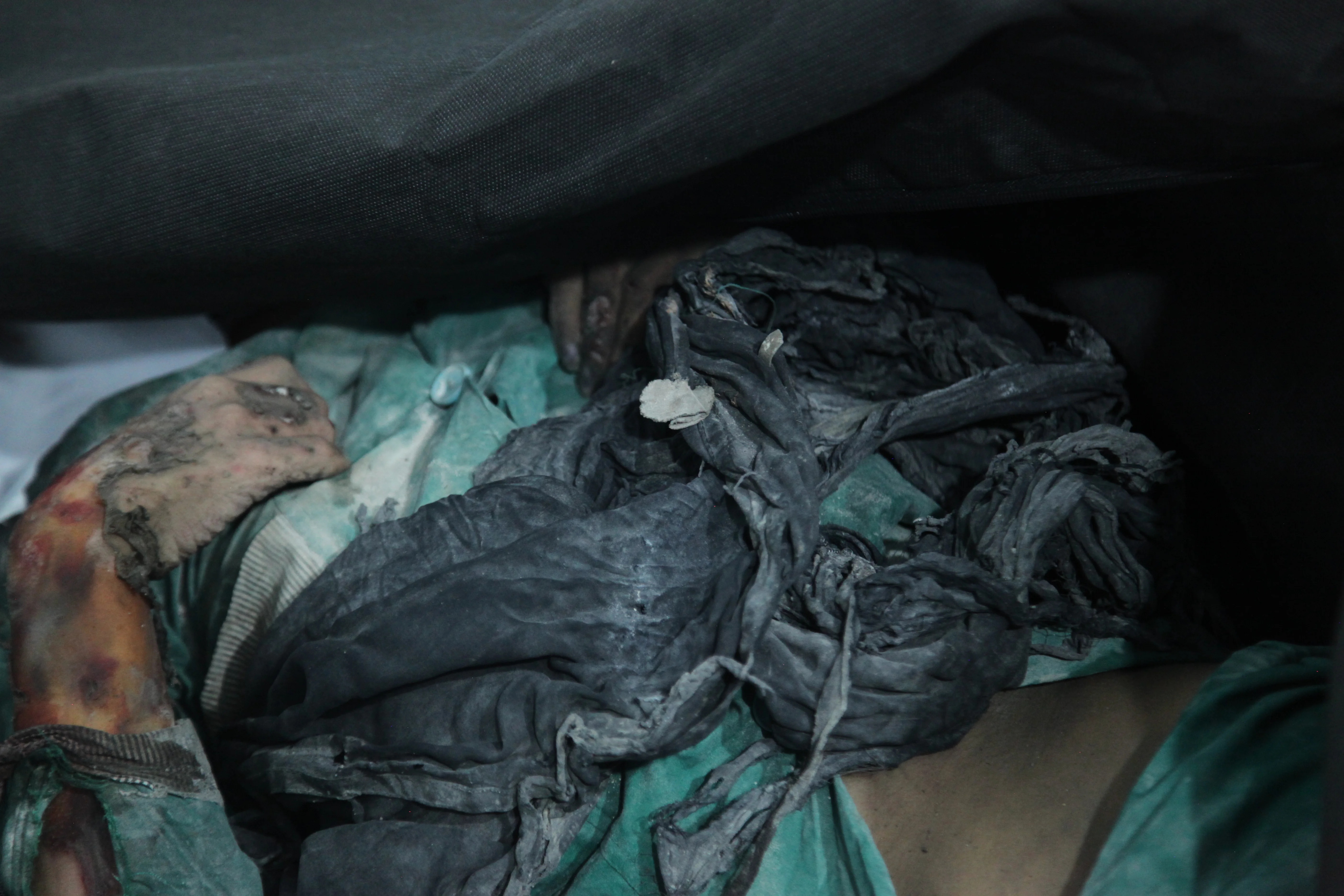
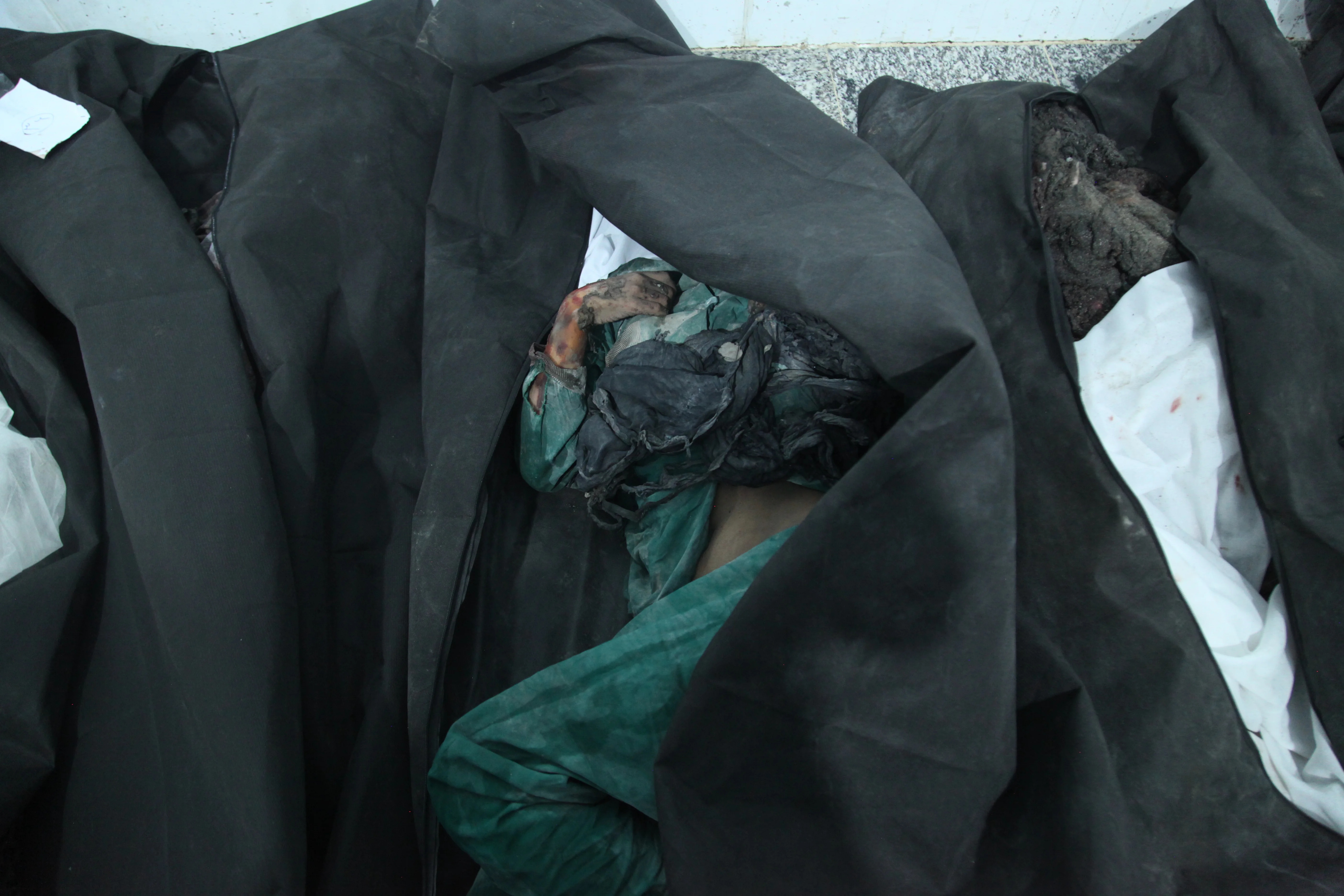
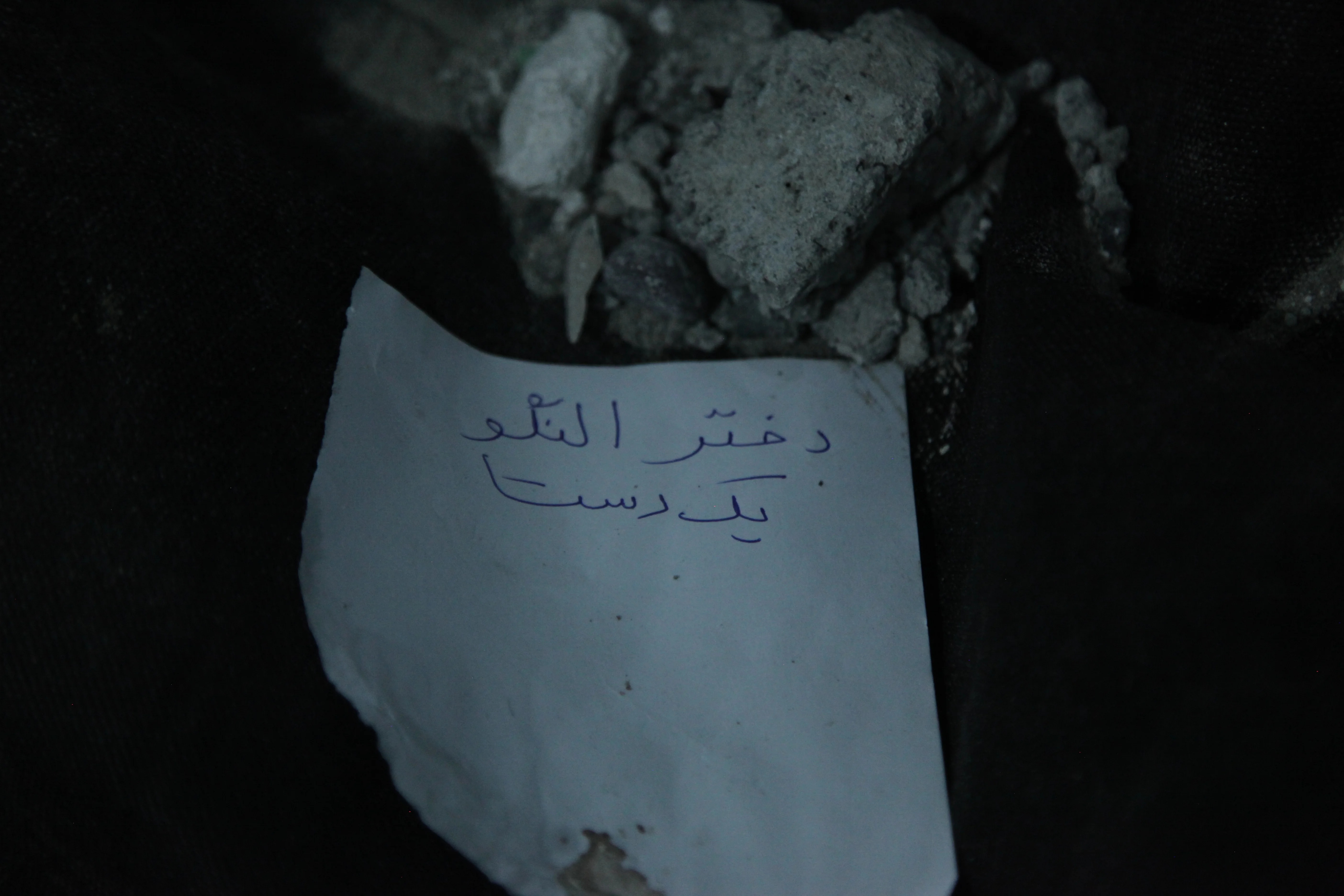
Not a slogan — a documented account. These are findings from international news investigations and human-rights organisations.
The simplest thing you can do is make sure other people know their names exist. Share this page.
They came to read, and to learn, and to grow.
The youngest were seven. They had a whole life ahead. Now their school remembers them, and asks only that you do not look away.